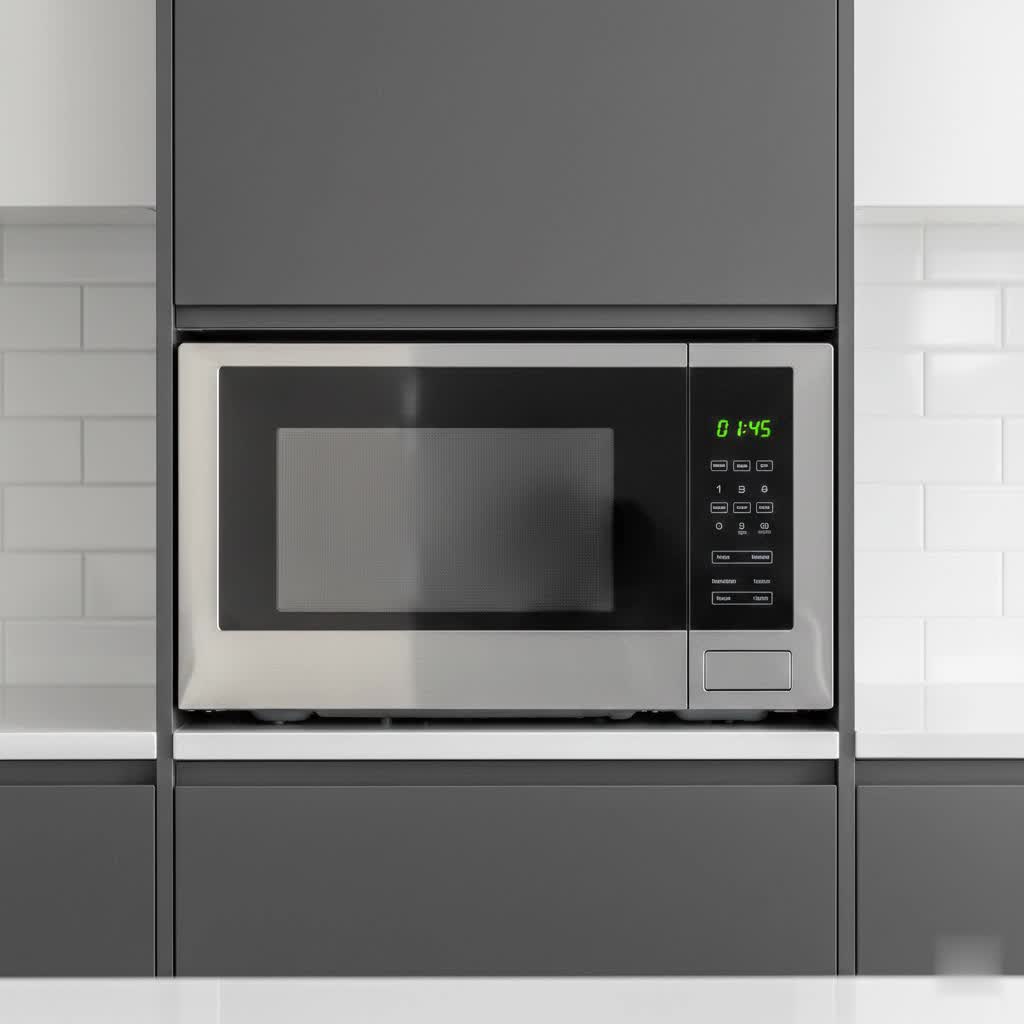
The microwave oven has long been an indispensable appliance in kitchens worldwide, saving precious minutes in our busy lives. Whether you’re a student reheating leftovers, a parent preparing quick meals, or a culinary enthusiast experimenting with new recipes, a reliable microwave makes all the difference. Yet, with an overwhelming array of models, features, and technologies on the market, choosing the right one can feel like a daunting task. You might find yourself wondering: Which microwave truly offers the best value? What features are genuinely essential for your cooking style in 2026?
As a technician with over a decade of hands-on experience in the microwave field, I’ve seen countless models, technologies, and issues firsthand. I understand the challenges you face when selecting or using a microwave, and I’m here to simplify that process for you. This comprehensive guide cuts through the marketing hype to provide honest, easy-to-understand insights, helping you navigate the options and confidently pick the perfect microwave for your home in 2026. Let’s explore the top contenders, understand their unique benefits, and uncover the features that truly matter.
What is a Microwave Oven? Understanding the Basic Principle
At its core, a microwave oven is an electric appliance that heats and cooks food by exposing it to electromagnetic radiation in the microwave frequency range. This revolutionary device has become a cornerstone of modern kitchens, offering unparalleled speed and convenience for tasks like reheating meals, defrosting frozen items, and even cooking certain foods from scratch.
The fundamental principle behind a microwave’s operation involves a component called a magnetron. This magnetron converts electrical energy into high-frequency radio waves, specifically microwaves. These waves are then directed into the oven’s cavity, where they bounce off the metallic interior walls and penetrate the food. Water molecules, fats, and sugars within the food absorb this microwave energy, causing them to vibrate rapidly. This molecular friction generates heat, cooking the food from within. Unlike conventional ovens that heat food from the outside in, microwaves excite molecules throughout the food, leading to faster cooking times.
Types of Microwave Ovens: Finding Your Perfect Match
Microwave technology has evolved significantly, offering a variety of types tailored to different culinary needs and kitchen setups. Understanding these distinctions is crucial for selecting an appliance that genuinely fits your lifestyle.
Solo Microwaves
Solo microwaves are the most basic and common type, designed primarily for reheating, defrosting, and simple cooking tasks. They excel at quickly warming up leftovers or boiling water.
- Pros: Generally the most affordable, compact, and easiest to use with straightforward controls. They are perfect for basic everyday needs without unnecessary complexities.
- Cons: Lack advanced cooking functions like grilling, baking, or air frying. Heating can sometimes be uneven without inverter technology.
- Ideal Users: Individuals, small families, dorm rooms, or those who only need a microwave for simple warming and defrosting.
|
Our Picks for the Best Microwave in 2026
As an Amazon Associate I earn from qualifying purchases.
|
||
| Num | Product | Action |
|---|---|---|
| 1 | Chefman Countertop Microwave Oven 0.7 Cu. Ft., 700 Watts with 10 Power Levels, 6 Cooking Presets with One-Touch Express Cook, Eco Mode, Child Safety Lock, & Mute Button - Black |

|
| 2 | BLACK+DECKER EM720CB7 Digital Microwave Oven with Turntable Push-Button Door, Child Safety Lock, 700W, Stainless Steel, 0.7 Cu.ft |
|
| 3 | COMFEE' EM720CPL-PM Countertop Microwave Oven with Sound On/Off, ECO Mode and Easy One-Touch Buttons, 0.7 Cu Ft/700W, Pearl White |
|
| 4 | FRIGIDAIRE EMW788RETRO 0.7 cu. ft. Retro Microwave, Black-Gold |
|
| 5 | COMFEE' EM720CPL-PMB Countertop Microwave Oven with Sound On/Off, ECO Mode and Easy One-Touch Buttons, 0.7cu.ft, 700W, Black |
|
| 6 | Chefman Countertop Microwave Oven 0.9 Cu. Ft., 900 Watts with 10 Power Levels, 6 Cooking Presets with One-Touch Express Cook, Eco Mode, Child Safety Lock, & Mute Button - Black |
|
| 7 | TOSHIBA ML-EM09PA(BS) Small Microwave Oven with 6 Auto Menus, Mute Function, LED Lighting Countertop Microwave Perfect for Kitchen, 0.9 Cu Ft, 10.6 Inch Removable Turntable, 900W Black Stainless Steel |
|
| 8 | TOSHIBA EM131A5C-BS Countertop Microwave Ovens 1.2 Cu Ft, 12.4" Removable Turntable Smart Humidity Sensor 12 Auto Menus Mute Function ECO Mode Easy Clean Interior Black Color 1000W |
|
| 9 | FRIGIDAIRE EMW736BLK 0.7 Cu. Ft. Microwave, Black |
|
| 10 | TOSHIBA EM131A5C-SS Countertop Microwave Ovens 1.2 Cu Ft with 12.4" Removable Turntable Smart Humidity Sensor, 12 Auto Menus Mute Function ECO Mode Easy Clean Interior, 1000W, Silver |
|
Grill Microwaves
Building on the solo microwave’s functionality, grill microwaves incorporate a grilling element, often located at the top of the oven cavity. This allows them to brown, crisp, and toast food items, adding a delightful texture that a solo microwave cannot achieve.
- Pros: Adds versatility by allowing you to grill sandwiches, crisp pizza, or brown vegetables, enhancing the texture and flavor of your dishes.
- Cons: Not suitable for full baking or roasting, and typically costs more than solo models.
- Ideal Users: Those who want to elevate their microwave cooking beyond just reheating, enjoying crispy textures without needing a separate grill pan or broiler.
Convection Microwaves
Convection microwaves are true multi-taskers, combining microwave heating with a convection fan and heating element. This allows them to function as both a microwave and a conventional oven, circulating hot air to bake, roast, and brown food evenly.
- Pros: Extremely versatile, enabling baking cakes, roasting chicken, and achieving crispy results like a traditional oven, all within one appliance. They save counter space by consolidating functions.
- Cons: Generally larger and more expensive than solo or grill models. They can have a steeper learning curve due to the various cooking modes.
- Ideal Users: Families who want to replace or supplement their main oven, those with limited kitchen space, or home cooks who desire extensive cooking flexibility in one appliance.
Microwaves with Air Fryer Functionality
A newer trend in microwave technology, these models integrate air frying capabilities, allowing you to achieve crispy, “fried” textures using hot air circulation and minimal oil. This adds another layer of versatility, tapping into the popular health-conscious cooking trend.
- Pros: Offers healthy cooking options for crispy snacks and meals. Combines multiple appliances into one, saving space.
- Cons: Air frying capacity might be smaller than dedicated air fryers, and performance can vary between models.
- Ideal Users: Health-conscious individuals, those who enjoy fried foods but seek healthier alternatives, or anyone looking to maximize appliance functionality.
Built-in Microwaves & Microwave Drawers
Designed to be integrated seamlessly into kitchen cabinetry, built-in microwaves and microwave drawers offer a sleek, custom look. Microwave drawers, in particular, are installed at waist height for easy access, pulling out like a drawer.
- Pros: Creates a streamlined, high-end kitchen aesthetic and frees up valuable countertop space. Microwave drawers offer ergonomic convenience.
- Cons: Significantly more expensive than countertop models, and installation can be complex, often requiring professional help. Limited portability.
- Ideal Users: Homeowners undergoing kitchen renovations, those prioritizing kitchen aesthetics, or individuals seeking ADA-compliant appliance options.
Over-the-Range (OTR) Microwaves
OTR microwaves are mounted above your stove, combining microwave functions with a built-in ventilation system to remove smoke, steam, and cooking odors. This design is excellent for kitchens with limited counter space.
- Pros: Saves counter space, provides overhead lighting for the stovetop, and includes an exhaust fan.
- Cons: Installation can be challenging, and the ventilation system might not be as powerful as a dedicated range hood. Not suitable for all kitchen layouts.
- Ideal Users: Those with smaller kitchens, apartments, or anyone looking to combine two essential kitchen functions into one space-saving unit.
Inverter Technology Microwaves
Inverter technology represents a significant advancement in how microwaves deliver power. Traditional microwaves cycle power on and off to achieve lower heat settings, which can lead to uneven cooking. Inverter models, however, provide a continuous, consistent stream of power, even at reduced settings.
- Pros: Ensures more even cooking and defrosting, prevents overcooking of edges, and preserves food’s texture and nutrients. It also tends to be more energy-efficient.
- Cons: Generally found in mid-to-high range models, making them slightly more expensive than basic solo microwaves.
- Ideal Users: Anyone who values precise cooking, desires evenly heated food, and wants to avoid rubbery textures or frozen spots often associated with conventional microwaves.
Detailed Comparison Table: Microwave Types at a Glance
To help you quickly compare the different types of microwaves, here’s a detailed table outlining their key characteristics:
| Feature | Solo Microwave | Grill Microwave | Convection Microwave | Air Fryer Microwave | Built-in / Drawer | Over-the-Range | Inverter Microwave |
|---|---|---|---|---|---|---|---|
| Primary Function | Reheat, Defrost | Reheat, Defrost, Grill | Reheat, Defrost, Bake, Roast, Grill | Reheat, Defrost, Air Fry | Reheat, Defrost, Cook | Reheat, Defrost, Ventilation | Even Reheating, Defrosting |
| Cooking Versatility | Limited | Moderate | High | Moderate to High | Moderate to High | Moderate | Enhanced |
| Cost Range | Low | Low to Medium | Medium to High | Medium to High | High | Medium to High | Medium to High |
| Space Saving | Can be compact | Can be compact | Combines appliances | Combines appliances | Maximizes counter space | Maximizes counter space | Varies by type |
| Installation | Countertop | Countertop | Countertop/Built-in | Countertop | Cabinetry (pro install) | Above range (pro install) | Varies by type |
| Best For | Basic needs, budget | Crisping, browning | Full cooking, baking | Healthy “fried” foods | Seamless kitchen look | Small kitchens, ventilation | Precise, even cooking |
How to Choose the Right Microwave Oven for Your Home
Choosing the ideal microwave oven involves more than just picking a popular brand; it’s about aligning the appliance’s capabilities with your specific kitchen needs and lifestyle. Consider these factors to make an informed decision.
Assess Your Needs
Before anything else, define what you’ll primarily use your microwave for. Are you mainly reheating coffee and leftovers, or do you plan to bake, roast, grill, or even air fry? For simple reheating and defrosting, a solo microwave might suffice, offering convenience without unnecessary features. However, if you envision more elaborate cooking, like baking a small cake or crisping chicken wings, a convection or air fryer microwave would be a better investment. Think about your cooking habits and the types of dishes you prepare most often to guide your choice.
Capacity (Cubic Feet/Liters)
The internal volume of a microwave, measured in cubic feet or liters, dictates how much food it can accommodate.
- Small (0.7 to 1.0 cubic feet / under 20 liters): Perfect for individuals, dorm rooms, or small apartments where space is limited and usage is minimal.
- Medium (1.1 to 1.5 cubic feet / 20-30 liters): Suitable for average-sized families, accommodating dinner plates and standard casserole dishes. This is a versatile option for most households.
- Large (1.6 cubic feet and above / over 30 liters): Ideal for large families, entertaining, or those who frequently cook big meals, often fitting larger platters or multiple items simultaneously.
Wattage
Microwave wattage directly correlates with cooking power and speed. Higher wattage means faster and more efficient cooking.
- Low Wattage (under 800W): Typically found in compact or budget models, these may take longer to cook food and require you to adjust cooking times. They are generally more energy-efficient.
- Standard Wattage (800W – 1000W): A good balance of speed and efficiency for most household tasks. Many recipes are calibrated for this range.
- High Wattage (over 1000W): Offers the fastest cooking times and more consistent results, especially for larger or denser foods. These tend to consume more power but save time.
Essential Features
Modern microwaves come with a host of features designed to enhance convenience and performance.
- Sensor Cooking: Automatically detects moisture and humidity levels in food to adjust cooking time and power, preventing over- or under-cooking. This feature is a game-changer for consistent results.
- Preset Menus: One-touch buttons for common foods like popcorn, potatoes, or pizza, taking the guesswork out of cooking times.
- Auto Defrost: Defrosts food based on weight or type, ensuring even thawing without cooking the edges.
- Child Lock: A vital safety feature that prevents accidental operation by curious children.
- Delay Start & Timer: Allows you to set the microwave to start at a later time or use it as a simple kitchen timer.
- Inverter Technology: As discussed, provides continuous power for even cooking and defrosting, preserving food texture.
Design and Installation Type
Your kitchen layout and aesthetic preferences will influence whether you choose a countertop, over-the-range, or built-in model. Countertop models offer flexibility and portability. OTR models save counter space and provide ventilation. Built-in units and microwave drawers create a sleek, integrated look, perfect for modern kitchens.
Brand Reputation & Warranty
Opt for reputable brands known for their durability and reliable customer service. Researching user reviews and warranty offerings can provide peace of mind and ensure support if issues arise.
Budget
Microwave prices vary widely depending on type, features, and brand. Solo models start from under $100, while high-end convection or built-in units can exceed $1,000. Determine a realistic budget, but also consider the long-term value and efficiency that a slightly more expensive model might offer.
Top 10 Best Microwaves of 2026: Our Expert Picks & Reviews
Based on extensive research, performance testing, and user feedback, here are our top 10 microwave picks for 2026, covering a range of needs, budgets, and functionalities.
1. Farberware 1,100-Watt Microwave with Smart Sensor
- Description: This Farberware model consistently earns top marks for its balance of performance, features, and value. It’s a spacious countertop microwave equipped with smart sensor technology.
- Key Features: 1,100 watts of power, 1.1 cubic feet capacity, smart sensor cooking, multiple preset options, child lock.
- Pros: Excellent cooking consistency, effective sensor cooking, roomy interior, good value for money, reliable for daily tasks like popcorn.
- Cons: Can be a bit noisy during operation, standard aesthetic.
- Best for: Most households seeking a dependable, high-performing microwave without a premium price tag.
2. Toshiba EM131A5C-BS Countertop Microwave Oven
- Description: A strong contender in the affordable segment, the Toshiba EM131A5C-BS is lauded for its smart cooking capabilities and robust everyday performance.
- Key Features: 1,100 watts, 1.2 cubic feet capacity, sensor menu, one-touch presets, easy-clean interior.
- Pros: Cooks evenly, very user-friendly controls, sleek design for a countertop model, durable build, great value.
- Cons: Not an inverter model, so very low-power cooking might be less consistent than premium options.
- Best for: Budget-conscious buyers who still want smart features and reliable performance for daily cooking.
3. Panasonic NN-SN686S Inverter Microwave
- Description: Panasonic’s inverter technology is renowned for its even heating, and the NN-SN686S exemplifies this with its consistent cooking power, preventing overcooked edges and cold centers.
- Key Features: 1,200 watts, 1.2 cubic feet capacity, Inverter technology, Genius Sensor Cook, various auto cook functions.
- Pros: Exceptionally even heating and defrosting, energy-efficient, large interior capacity within a compact footprint, durable stainless steel.
- Cons: Solo microwave functions only (no grill or convection), can be pricier than basic models.
- Best for: Users prioritizing perfectly cooked and defrosted food every time, especially for families.
4. Magic Chef MC110MB Countertop Microwave
- Description: The Magic Chef MC110MB is a straightforward, no-frills microwave celebrated for its impressive user-friendliness and ability to cook frozen foods effectively.
- Key Features: 1,000 watts, 1.1 cubic feet capacity, simple dial and button controls, pre-set cooking options.
- Pros: Incredibly easy to operate, heats food quickly and consistently, ideal for those who prefer mechanical controls over digital, reliable performance for the price.
- Cons: Lacks advanced features like sensor cooking or inverter technology, basic design.
- Best for: Individuals or families seeking a dependable, easy-to-use microwave for fundamental tasks without complicated settings.
5. LG NeoChef Inverter Microwave (Various models, e.g., LMC1575ST)
- Description: LG’s NeoChef series integrates Smart Inverter technology with a sleek, minimalist design, offering powerful and precise cooking in an aesthetically pleasing package.
- Key Features: Smart Inverter technology (up to 1200W), multiple power levels, easy-clean interior, stylish design, sensor cooking options.
- Pros: Delivers consistent and even cooking, highly energy-efficient, intuitive controls, modern look, often quieter than competitors.
- Cons: Can be a mid-to-high price point for a solo microwave.
- Best for: Design-conscious consumers who value energy efficiency, even cooking, and a smart, modern appliance.
6. GE GCST10A1WSS 1.0 Cu Ft Convection Microwave Oven
- Description: This compact GE model is an excellent choice for those wanting the benefits of convection cooking in a smaller footprint, perfect for kitchens where space is at a premium.
- Key Features: 900 watts (microwave), convection baking, air fry mode, 1.0 cubic feet capacity, multiple cooking presets.
- Pros: Combines microwave and convection functions effectively, good air fry results for its size, compact design ideal for small kitchens, versatile cooking options.
- Cons: Microwave wattage is slightly lower than some competitors, smaller capacity might be restrictive for larger families.
- Best for: Small apartments, individuals, or couples who need multi-functional cooking but have limited counter space.
7. Breville BMO870BSS Combi Wave 3-in-1 Microwave
- Description: The Breville Combi Wave is a premium, high-performance appliance that seamlessly combines microwave, convection oven, and air fryer functionalities, all while operating quietly.
- Key Features: Inverter technology, microwave, convection oven, air fryer, slow cook, fast combi settings, soft-close door, intuitive interface.
- Pros: Exceptional cooking versatility and performance, very quiet operation, premium build quality, precise temperature control, elegant design.
- Cons: High price point, larger footprint, can be complex to master all functions initially.
- Best for: Serious home cooks seeking a versatile, high-end appliance that can replace multiple kitchen gadgets with superior results.
8. BLACK+DECKER 5-in-1 Microwave Oven with Air Fry
- Description: Offering exceptional value, this BLACK+DECKER model provides multiple cooking functions—microwave, convection, grill, air fry, and combination—in an accessible package.
- Key Features: 900-1000 watts (microwave), convection, grill, air fry, multiple pre-programmed settings, LED display, child safety lock.
- Pros: Excellent value for a multi-functional appliance, effective air frying and grilling, user-friendly controls, compact design.
- Cons: Performance might not match dedicated high-end units for each function, wattage could be higher.
- Best for: Budget-conscious buyers who want versatile cooking options like air frying and grilling without investing in separate appliances.
9. Samsung MG14K3510CM Combination Microwave with Grill
- Description: Samsung’s combination microwave delivers solid microwave performance alongside a powerful grilling function, perfect for adding a crispy finish to your dishes.
- Key Features: 1,000 watts, 1.4 cubic feet capacity, grilling element, ceramic enamel interior, LED display, various auto cook menus.
- Pros: Excellent grilling results for browning and crisping, easy-to-clean ceramic interior, modern design, reliable heating.
- Cons: No convection baking, may not be ideal for very large families.
- Best for: Those who frequently enjoy grilled dishes and want to add texture to their microwave meals without needing a full convection oven.
10. ZLINE 30 in. 1.2 cu. ft. Built-In Microwave Drawer
- Description: Representing the pinnacle of integrated kitchen design, the ZLINE microwave drawer offers discreet functionality and luxurious convenience for a seamless look.
- Key Features: 1,000 watts, 1.2 cubic feet capacity, automatic open/close drawer, sensor cooking, multiple power levels, child lock.
- Pros: Ultimate space-saving and countertop decluttering, ergonomic waist-height access, sleek and modern aesthetic, reliable sensor cooking.
- Cons: High cost, professional installation often required, fixed placement once installed.
- Best for: Kitchen remodels, homeowners prioritizing a premium, integrated kitchen design, or those requiring accessible appliance solutions.
Maximizing Your Microwave: Safety, Care, and Common Issues
Owning a microwave is about more than just pressing buttons; understanding its safe operation, proper maintenance, and basic troubleshooting can significantly extend its lifespan and ensure optimal performance.
Safe Usage Tips
Safety in the kitchen is paramount, especially with powerful appliances like microwaves. Always use microwave-safe dishes made of glass, ceramic, or plastic; never place metal or aluminum foil inside, as it can cause sparks and damage the oven. Ensure there’s proper ventilation around countertop models, allowing heat to dissipate. Avoid heating liquids beyond their boiling point, as they can superheat and erupt unexpectedly when disturbed. Always use oven mitts when removing hot dishes, and never operate a microwave with a damaged door or seal.
Cleaning and Maintenance
A clean microwave is a happy, efficient microwave. Regular cleaning prevents food buildup and odors, ensuring hygienic operation. For everyday spills, simply wipe the interior with a damp cloth and mild detergent. For stubborn grime, place a bowl of water with lemon slices or vinegar inside and microwave on high for 5-10 minutes until steam fills the cavity. The steam loosens dried food, making it easy to wipe away. Regularly check and clean the turntable and its support ring. Avoid harsh abrasives or chemical cleaners, which can damage the interior finish.
Troubleshooting Common Problems
While microwaves are generally reliable, you might encounter minor issues. If your microwave isn’t heating, first check if it’s properly plugged in and if the circuit breaker has tripped. A faulty door latch can also prevent heating, as the microwave has safety mechanisms. If the turntable isn’t rotating, ensure it’s correctly seated on its support and the motor isn’t obstructed. Strange noises can sometimes indicate a dirty interior or a worn-out turntable motor. For persistent problems, especially those involving sparks or unusual odors, it’s best to consult a professional technician or refer to your appliance’s manual for specific guidance. Remember, never attempt to repair internal components of a microwave yourself due to the high-voltage capacitor.
“The microwave is not just a reheating tool; it’s a versatile cooking assistant that, when chosen wisely and maintained properly, can elevate your daily kitchen routine. Understanding its capabilities and limitations is key to unlocking its full potential.” – Admin, reviewvz.com, Microwave Technology Expert
Conclusion
Choosing the best microwave oven in 2026 ultimately comes down to understanding your specific needs, evaluating the various types available, and considering key features like wattage, capacity, and smart technology. From the basic convenience of a solo microwave to the multi-functional prowess of a convection or air fryer model, there’s a perfect fit for every kitchen and cooking style. By assessing your usage habits, budget, and desired features, you can confidently select an appliance that not only meets your expectations but also enhances your culinary adventures.
We hope this guide has demystified the world of microwaves for you, providing the insights needed to make an informed decision. Which of these top picks aligns best with your kitchen aspirations?
Frequently Asked Questions
What is the ideal wattage for a microwave?
The ideal wattage typically ranges from 900 to 1200 watts. Higher wattage microwaves cook food faster and more evenly, which is beneficial for most households. However, lower wattage models (700-800W) are often more affordable and suitable for basic reheating, though they require longer cooking times.
Can I put aluminum foil in a microwave?
No, you should never put aluminum foil, or any metal, in a microwave oven. Metal can cause arcing (sparking) and potentially damage the microwave or even start a fire due to the way microwaves interact with conductive materials.
How long do microwaves typically last?
A well-maintained microwave oven typically lasts between 7 to 10 years. The lifespan can vary depending on usage frequency, care, and the quality of the appliance. Regular cleaning and proper operation contribute significantly to its longevity.
What is inverter technology in a microwave?
Inverter technology provides a continuous, consistent stream of microwave power, even at lower settings. Unlike traditional microwaves that cycle power on and off, inverter models ensure more even cooking and defrosting, prevent overcooking, and preserve food texture and nutrients.
Are convection microwaves worth it?
Yes, convection microwaves are generally worth the investment if you desire more versatility in your cooking. They combine microwave speed with the baking, roasting, and browning capabilities of a conventional oven, making them an excellent space-saving, multi-functional appliance for a wider range of culinary tasks.