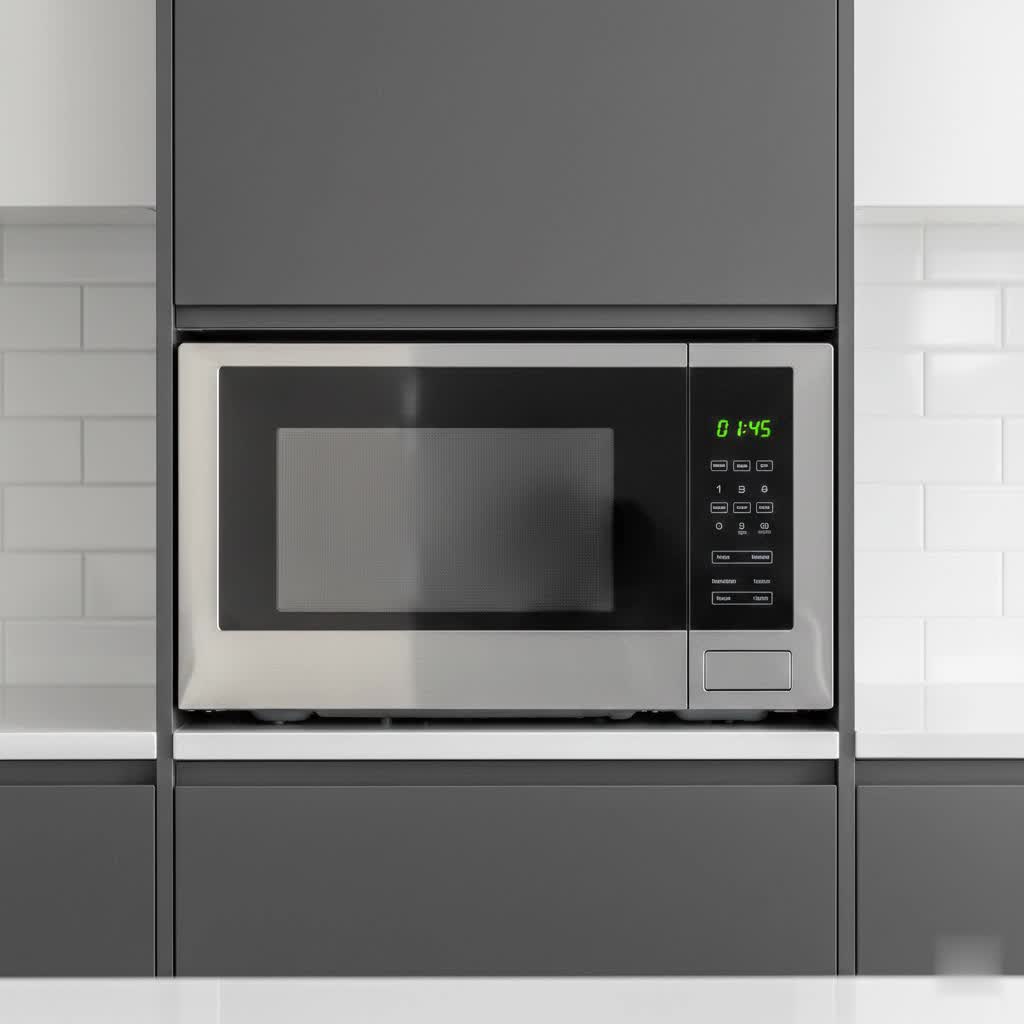
In today’s fast-paced world, the microwave oven is an indispensable kitchen appliance, warming our meals and simplifying our lives. However, a common concern that often sparks debate is the potential for microwave radiation leaks. While modern microwaves are built with robust safety features, like any appliance, wear and tear can occur over time, potentially leading to issues. Understanding how to safely check your microwave for radiation leaks at home can provide invaluable peace of mind and ensure the well-being of your household.
Understanding Microwave Radiation and Safety Standards
Microwave ovens operate by generating non-ionizing electromagnetic radiation, specifically microwaves, which cause water molecules in food to vibrate rapidly, thus generating heat. This type of radiation does not make food radioactive and disappears the moment the oven is turned off. However, exposure to high levels of microwave radiation can pose health risks due to thermal effects, potentially causing burns or even cataracts.
To safeguard consumers, various regulatory bodies have established strict safety standards. In the United States, the Food and Drug Administration (FDA) limits microwave oven leakage to 5 milliwatts per square centimeter (mW/cm²) measured at a distance of approximately 2 inches (5 centimeters) from the oven’s surface. Health Canada, another prominent authority, sets an even stricter limit of 1 mW/cm². Generally, if a consumer-grade detector registers levels above 5 mW/cm² at this proximity, it’s considered a cause for concern. It’s also important to remember that microwave power density decreases rapidly with distance. Standing at “one arm’s length” (about 2 feet or 61 centimeters) significantly reduces any potential exposure to negligible levels, even from a slightly leaking oven.
Common Causes of Microwave Radiation Leaks
Microwave ovens are designed to contain radiation within their cooking cavity. Leakage usually occurs when this containment is compromised. Several factors can lead to such issues:
- Damaged Door Seals or Latches: The door seal (gasket) is critical for preventing radiation escape. If it becomes worn, torn, or has food debris accumulated on it, the seal can break, allowing microwaves to leak.
- Misaligned Door Hinges: Over time, hinges can become loose or bent, causing the oven door to misalign and prevent a tight seal when closed.
- Physical Damage: Dents, cracks, or other damage to the oven’s casing, particularly around the door, can create pathways for radiation to escape.
- Age and Wear and Tear: Like all appliances, microwaves degrade over time. Components can weaken, and seals can lose their effectiveness, especially in older units.
Methods to Test for Microwave Leaks at Home
Fortunately, you don’t always need a professional to perform an initial check for microwave radiation leaks. Several home-testing methods can help you determine if your appliance is functioning safely.
Method 1: Using a Dedicated Microwave Leakage Detector (Recommended)
This is the most reliable method for home testing. These devices are designed to detect microwave frequencies and provide a quantitative reading.
What You Need:
- A consumer-grade microwave leakage detector (often available online or at electronics stores).
- A glass of water (approximately 1 cup or 275 ml).
|
Our Picks for the Best Microwave in 2026
As an Amazon Associate I earn from qualifying purchases.
|
||
| Num | Product | Action |
|---|---|---|
| 1 | FRIGIDAIRE EMW788RETRO 0.7 cu. ft. Retro Microwave, Black-Gold |

|
| 2 | Chefman Countertop Microwave Oven 0.9 Cu. Ft., 900 Watts with 10 Power Levels, 6 Cooking Presets with One-Touch Express Cook, Eco Mode, Child Safety Lock, & Mute Button - Black |
|
| 3 | TOSHIBA ML-EM09PA(BS) Small Microwave Oven with 6 Auto Menus, Mute Function, LED Lighting Countertop Microwave Perfect for Kitchen, 0.9 Cu Ft, 10.6 Inch Removable Turntable, 900W Black Stainless Steel |
|
| 4 | FRIGIDAIRE EMW736BLK 0.7 Cu. Ft. Microwave, Black |
|
| 5 | BLACK+DECKER EM720CB7 Digital Microwave Oven with Turntable Push-Button Door, Child Safety Lock, 700W, Stainless Steel, 0.7 Cu.ft |
|
| 6 | COMFEE' EM720CPL-PMB Countertop Microwave Oven with Sound On/Off, ECO Mode and Easy One-Touch Buttons, 0.7cu.ft, 700W, Black |
|
| 7 | TOSHIBA EM131A5C-BS Countertop Microwave Ovens 1.2 Cu Ft, 12.4" Removable Turntable Smart Humidity Sensor 12 Auto Menus Mute Function ECO Mode Easy Clean Interior Black Color 1000W |
|
| 8 | Chefman Countertop Microwave Oven 0.7 Cu. Ft., 700 Watts with 10 Power Levels, 6 Cooking Presets with One-Touch Express Cook, Eco Mode, Child Safety Lock, & Mute Button - Black |
|
| 9 | COMFEE' EM720CPL-PM Countertop Microwave Oven with Sound On/Off, ECO Mode and Easy One-Touch Buttons, 0.7 Cu Ft/700W, Pearl White |
|
| 10 | TOSHIBA EM131A5C-SS Countertop Microwave Ovens 1.2 Cu Ft with 12.4" Removable Turntable Smart Humidity Sensor, 12 Auto Menus Mute Function ECO Mode Easy Clean Interior, 1000W, Silver |
|
How to Choose a Detector: While professional-grade detectors offer the highest accuracy and can be quite expensive, a good quality consumer-grade digital detector can provide a reasonable first assessment. Look for one that measures in mW/cm² and ideally has an audible alert or warning light for levels exceeding 5 mW/cm². Be aware that some very inexpensive models may lack accuracy.
Step-by-Step Guide:
- Prepare the Microwave: Place the glass of water inside the microwave oven. Never operate an empty microwave, as this can damage the magnetron, the component that generates microwaves.
- Zero the Detector: Follow your detector’s instructions to calibrate or zero it before use. This ensures an accurate baseline reading.
- Start the Microwave: Close the door and set the microwave to run for at least one minute on high power.
- Scan for Leaks: While the microwave is operating, slowly move the detector around the entire perimeter of the door, including the hinges, the latch area, the viewing window, and any ventilation openings. Maintain a consistent distance of about 2 inches (5 cm) from the oven surface, as this is the standard distance for regulatory measurements. Also, scan any areas of visible damage on the oven casing.
- Interpret Results: Observe the detector’s display. If the reading remains below 5 mW/cm² (or 1 mW/cm² if you’re adhering to stricter guidelines), your microwave is likely operating within safe limits. If the detector shows a reading above this threshold, or if an alarm sounds, it indicates a potential leakage. Record the highest reading observed.
Method 2: The Fluorescent or Neon Bulb Test (DIY Quick Check)
This method is less precise than a dedicated detector but can give a general indication of a significant leak.
What You Need:
- A straight fluorescent light bulb (not a compact fluorescent, as these contain different circuitry). A small NE-2 neon bulb from an electronics store can also work.
- A glass of water.
- A darkened room.
Step-by-Step Guide:
- Prepare the Microwave: Place the glass of water inside the microwave.
- Darken the Room: Turn off the lights to make it easier to see any subtle glow from the bulb.
- Start the Microwave: Close the door and set the microwave to run for at least one minute on high power.
- Scan for Leaks: While the microwave is running, carefully hold the fluorescent tube or neon bulb (by its ends, not touching the glass to your skin directly) and slowly move it around the door seals, hinges, latch, and window, maintaining about 2 inches (5 cm) distance.
- Interpret Results: If the bulb glows or flickers, it indicates the presence of microwave radiation outside the oven, suggesting a leak. A brighter glow signifies a more substantial leak.
Debunking the Cell Phone Test
A popular but entirely ineffective method involves placing a cell phone inside the microwave, closing the door, and calling it with another phone. The theory is that if the phone inside rings, the microwave is leaking radiation. This is a myth. Microwave ovens operate at a frequency of 2,450 MHz, which is designed to be contained. Cell phones, however, operate on entirely different frequencies (e.g., 800 MHz, 900 MHz, 1800 MHz) that can sometimes penetrate the microwave’s shielding, allowing the phone to receive a signal. Therefore, a ringing phone inside your microwave has no bearing on radiation leakage from the oven itself.
When Should You Test Your Microwave?
Regular testing is a smart practice for any microwave oven, especially if it’s an older model or has seen heavy use.
- Annually: As a general safety measure, consider testing your microwave once a year.
- After Physical Damage: If the microwave has been dropped, bumped, or shows any visible damage to the door, hinges, or casing.
- If the Door Doesn’t Close Properly: Any difficulty in closing the door or if it doesn’t appear to seal tightly.
- For Older Units: Microwaves over five to seven years old are more prone to wear and tear.
- After Any Repairs: If the microwave has been repaired, especially work involving the door or internal components.
What to Do If You Detect a Leak
If your home test indicates a significant microwave radiation leak, it’s crucial to act promptly and cautiously:
- Stop Using the Microwave Immediately: If the detector shows readings significantly above the 5 mW/cm² limit, or if the DIY bulb test indicates a strong leak, discontinue use of the appliance.
- Contact a Qualified Technician: For accurate assessment and potential repair, it’s best to consult a professional appliance repair technician. They possess calibrated equipment and expertise to diagnose the issue correctly and safely.
- Consider Replacement: Depending on the severity of the leak, the age of the microwave, and the cost of repair, replacing the unit might be a safer and more economical option.
- Maintain Safe Distance: If you must use the microwave temporarily before it can be serviced or replaced, ensure no one stands directly in front of or close to the oven while it’s operating.
Tips for Preventing Microwave Leaks
Proactive maintenance can extend the life of your microwave and help prevent radiation leaks:
- Keep Door Seals Clean: Regularly clean the door seal and the oven cavity edges to prevent food debris from accumulating, which can compromise the seal.
- Handle the Door Gently: Avoid slamming the microwave door, as this can damage the latches and hinges over time.
- Inspect Regularly: Periodically check the door, hinges, and seal for any visible signs of wear, damage, or misalignment.
- Never Operate Empty: Always place food or a cup of water inside the microwave when operating it.
- Don’t Use a Damaged Microwave: If you notice any significant damage to the casing or door, do not operate the microwave.
Conclusion
The microwave oven is a staple in most modern homes, offering unmatched convenience. While concerns about radiation leaks are valid, understanding the risks and knowing how to conduct a safe and effective home test can provide significant reassurance. By utilizing a dedicated leakage detector or even a simple bulb test, you can proactively ensure your appliance is operating safely and within acceptable limits. Remember, a well-maintained microwave is a safe microwave, and your peace of mind is paramount.
Is your microwave due for a safety check?
Frequently Asked Questions
Is microwave radiation dangerous?
Exposure to very high levels of microwave radiation can be dangerous, primarily due to its heating effect on body tissue, potentially causing burns or cataracts. However, modern microwaves are designed with safety features to contain this radiation, and levels leaking from properly functioning ovens are generally very low and considered safe.
How often should I test my microwave for leaks?
It is generally recommended to test your microwave annually, especially if it’s an older model (over 5-7 years old) or if you notice any physical damage to the door or casing. Regular checks help ensure its continued safe operation.
Can a broken microwave with a radiation leak be repaired?
In many cases, a microwave with a radiation leak can be repaired by a qualified technician, particularly if the issue is a damaged door seal or misaligned hinges. However, the cost of repair should be weighed against the age of the appliance and the cost of a new one.
Does the cell phone test effectively detect microwave radiation leaks?
No, the cell phone test is not an effective or accurate method for detecting microwave radiation leaks. Cell phones operate at different frequencies than microwave ovens, and a phone ringing inside a closed microwave does not indicate radiation leakage from the oven’s cooking mechanism.