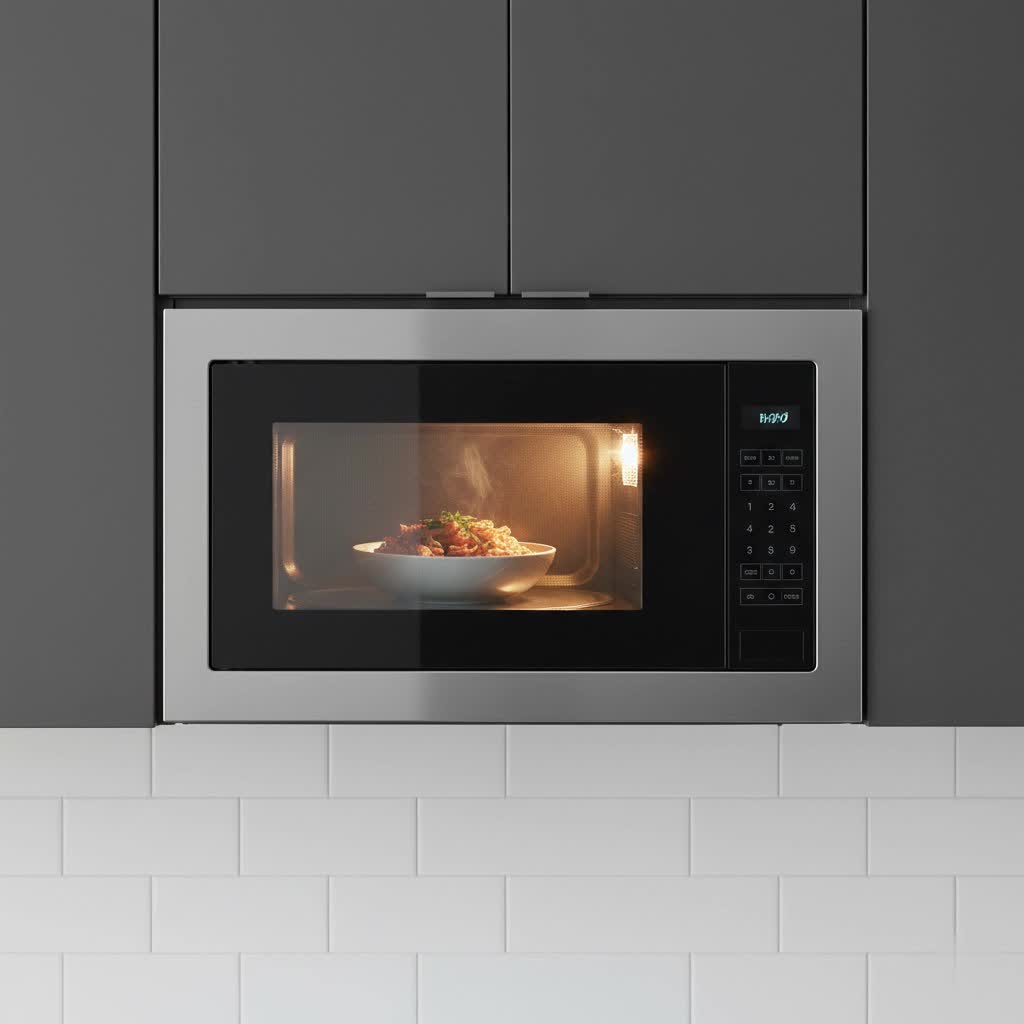
Stepping into a modern kitchen, you’ll quickly notice that appliances are no longer just about single functions; they’re about versatility, intelligence, and seamless integration into our busy lives. If you’re pondering an upgrade or searching for a truly multifunctional kitchen companion, the Toshiba EC042A5C Convection and Smart Sensor Microwave often surfaces as a top contender. This appliance promises to do more than just reheat leftovers, bridging the gap between a conventional microwave and a full-fledged oven. But does it truly deliver on its promises? We’re here to provide an honest, in-depth look to help you decide if this innovative model is the right fit for your culinary adventures.
Understanding the Microwave: Basic Principles and Everyday Utility
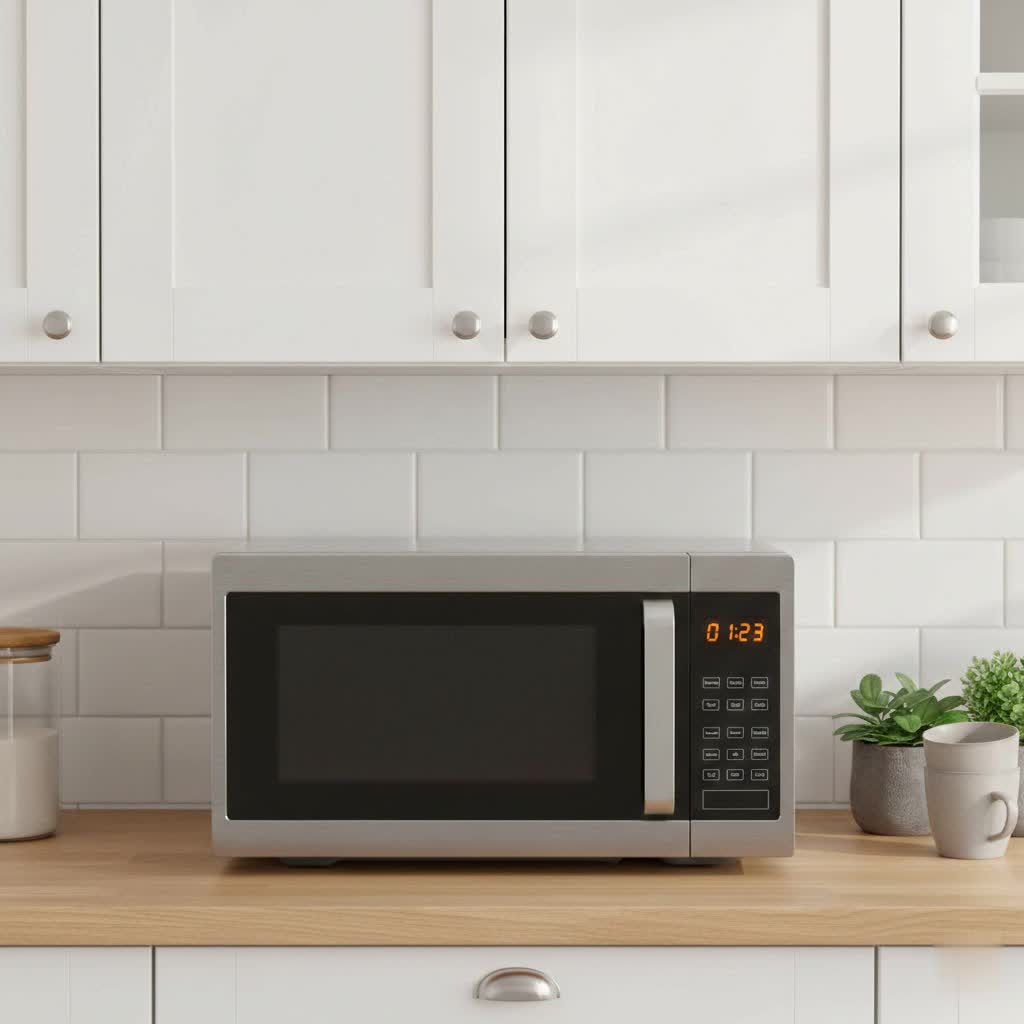
At its core, a microwave oven is a kitchen appliance that heats and cooks food by exposing it to electromagnetic radiation in the microwave frequency range. This radiation causes water molecules within the food to vibrate rapidly, generating heat and cooking the food quickly and efficiently from the inside out. They have become indispensable for rapid reheating, defrosting, and even preparing quick meals, saving countless hours for home cooks and busy professionals alike.
Microwaves have revolutionized meal preparation, offering unparalleled speed and convenience. From defrosting last night’s dinner in minutes to whipping up a hot snack, their ability to transform raw or chilled ingredients into ready-to-eat meals quickly makes them a cornerstone of modern kitchen functionality.
Navigating the World of Microwave Oven Types
The market offers a diverse range of microwave ovens, each designed to cater to different cooking needs and kitchen setups. Understanding these types is crucial when making an informed purchasing decision.
Solo (Mechanical) Microwaves
These are the most basic and affordable type of microwave, primarily designed for reheating, defrosting, and simple cooking tasks. They use a magnetron to produce microwaves and often feature simple dial controls.
- Pros: Easy to use, energy-efficient for basic tasks, compact, and budget-friendly.
- Cons: Limited functionality, cannot brown or crisp food, fewer preset options.
- Best for: Individuals or small families who primarily need a microwave for simple heating tasks.
|
Our Picks for the Best Microwave in 2026
As an Amazon Associate I earn from qualifying purchases.
|
||
| Num | Product | Action |
|---|---|---|
| 1 | FRIGIDAIRE EMW736BLK 0.7 Cu. Ft. Microwave, Black |

|
| 2 | TOSHIBA EM131A5C-SS Countertop Microwave Ovens 1.2 Cu Ft with 12.4" Removable Turntable Smart Humidity Sensor, 12 Auto Menus Mute Function ECO Mode Easy Clean Interior, 1000W, Silver |
|
| 3 | BLACK+DECKER EM720CB7 Digital Microwave Oven with Turntable Push-Button Door, Child Safety Lock, 700W, Stainless Steel, 0.7 Cu.ft |
|
| 4 | COMFEE' EM720CPL-PM Countertop Microwave Oven with Sound On/Off, ECO Mode and Easy One-Touch Buttons, 0.7 Cu Ft/700W, Pearl White |
|
| 5 | TOSHIBA ML-EM09PA(BS) Small Microwave Oven with 6 Auto Menus, Mute Function, LED Lighting Countertop Microwave Perfect for Kitchen, 0.9 Cu Ft, 10.6 Inch Removable Turntable, 900W Black Stainless Steel |
|
| 6 | Chefman Countertop Microwave Oven 0.7 Cu. Ft., 700 Watts with 10 Power Levels, 6 Cooking Presets with One-Touch Express Cook, Eco Mode, Child Safety Lock, & Mute Button - Black |
|
| 7 | FRIGIDAIRE EMW788RETRO 0.7 cu. ft. Retro Microwave, Black-Gold |
|
| 8 | TOSHIBA EM131A5C-BS Countertop Microwave Ovens 1.2 Cu Ft, 12.4" Removable Turntable Smart Humidity Sensor 12 Auto Menus Mute Function ECO Mode Easy Clean Interior Black Color 1000W |
|
| 9 | Chefman Countertop Microwave Oven 0.9 Cu. Ft., 900 Watts with 10 Power Levels, 6 Cooking Presets with One-Touch Express Cook, Eco Mode, Child Safety Lock, & Mute Button - Black |
|
| 10 | COMFEE' EM720CPL-PMB Countertop Microwave Oven with Sound On/Off, ECO Mode and Easy One-Touch Buttons, 0.7cu.ft, 700W, Black |
|
Grill Microwaves
Adding a grilling element, these microwaves allow you to brown or crisp food, such as pizza or chicken wings, in addition to standard microwave functions. They combine microwave heating with a heating coil for a crispy finish.
- Pros: Offers browning and crisping capabilities, versatile for certain dishes, good for smaller grilling needs.
- Cons: Grilling function can be slower than a dedicated grill, often more expensive than solo models, cleaning can be more involved.
- Best for: Those who want to occasionally grill small portions of food without buying a separate appliance.
Convection Microwaves
The most advanced and versatile type, convection microwaves integrate a fan and heating element to circulate hot air, allowing them to bake, roast, and crisp food much like a conventional oven. This dual functionality is what sets models like the Toshiba EC042A5C apart.
- Pros: Extremely versatile (microwave, bake, roast, grill), saves counter space by combining appliances, generally cooks food more evenly and quickly than conventional ovens for smaller items.
- Cons: More expensive, larger footprint, can have a learning curve, generally consumes more power than solo models.
- Best for: Home cooks looking for an all-in-one appliance, those with limited kitchen space, or those who want to prepare a wider variety of dishes efficiently.
Built-in and Over-the-Range Microwaves
These types are designed for seamless integration into kitchen cabinetry or mounted above a range, often combining microwave functions with ventilation for the stovetop.
- Pros: Space-saving, sleek aesthetic, integrated ventilation (over-the-range models).
- Cons: Professional installation often required, less flexible placement, typically more expensive.
- Best for: Kitchens with custom designs or those wanting a clean, integrated look.
Comparison: Microwave Oven Types
| Feature | Solo Microwave | Grill Microwave | Convection Microwave |
|---|---|---|---|
| Primary Use | Reheating, Defrosting | Reheating, Grilling, Defrosting | Reheating, Baking, Roasting, Grilling |
| Cooking Method | Microwaves | Microwaves + Heating Coil | Microwaves + Hot Air Circulation |
| Browning/Crisping | No | Yes | Yes |
| Versatility | Low | Medium | High |
| Space Saving | High (compact) | Medium | High (multi-function) |
| Price Range | Low | Medium | High |
| Ideal User | Basic needs | Occasional grilling | Diverse cooking, space-conscious |
Your Smart Buying Guide: Choosing the Perfect Microwave Oven
Selecting a microwave oven isn’t a one-size-fits-all decision. To make the best choice, consider your lifestyle, cooking habits, and kitchen constraints.
1. Define Your Usage Needs
What will you primarily use your microwave for?
- Basic reheating and defrosting: A solo microwave is likely sufficient.
- Reheating plus occasional browning/crisping: A grill microwave offers more versatility.
- Baking, roasting, and general cooking: A convection microwave is your best bet, offering the most comprehensive functionality.
- Feeding a crowd or preparing complex meals: A larger capacity convection model will be invaluable.
2. Determine the Right Capacity
Microwave capacity is measured in cubic feet (cu. ft.) and dictates how much food the oven can hold.
- Small (under 0.9 cu. ft.): Ideal for dorm rooms, small apartments, or single users with minimal heating needs.
- Medium (0.9 – 1.2 cu. ft.): Suits individuals or small families, handling standard dinner plates and most everyday tasks.
- Large (1.3 – 1.6 cu. ft.): Perfect for average-sized families, accommodating larger dishes and more substantial cooking.
- Extra-Large (1.7 cu. ft. and above): Best for large families, frequent entertainers, or those who cook large roasts and casseroles regularly.
3. Consider Power (Wattage)
Microwave power is measured in watts (W) and indicates how quickly and efficiently food will cook.
- Lower wattage (600-800W): More energy-efficient but slower cooking times. Suitable for basic reheating.
- Medium wattage (800-1000W): A good balance of speed and efficiency for most households.
- High wattage (1000W+): Provides the fastest cooking and reheating, ideal for larger quantities or busy kitchens, though it consumes more energy.
4. Essential Features You Might Need
Beyond basic heating, modern microwaves offer an array of features that can enhance convenience and cooking performance.
- Auto Defrost: Automatically calculates defrosting time based on food type and weight.
- Pre-programmed Settings: One-touch buttons for popular foods like popcorn, pizza, or beverages.
- Sensor Cooking: Uses humidity sensors to detect when food is cooked, automatically adjusting time and power to prevent over or under-cooking. This is a standout feature in advanced models like the Toshiba EC042A5C.
- Inverter Technology: Provides a consistent, even power flow for more uniform cooking, rather than cycling between high and low power.
- Child Safety Lock: Prevents accidental use by children.
- Keep Warm Function: Maintains food at serving temperature until you’re ready to eat.
- Mute Function: Silences the beeps, a blessing for late-night snackers.
- ECO Mode: Reduces standby power consumption, saving energy.
5. Trusted Brands
Reputable brands often guarantee better quality, durability, and customer support. Some top names in the microwave market include Toshiba, Panasonic, LG, Samsung, and Breville. Researching reviews for specific models within these brands can provide valuable insights.
6. Compare Prices
Once you’ve narrowed down your choices based on features and capacity, compare prices across various retailers. Always balance cost with the long-term value, durability, and specific functions you need. A slightly higher initial investment for a feature-rich, reliable model can save you money and frustration in the long run.
The Toshiba EC042A5C: A Deep Dive into Features and Performance
The Toshiba EC042A5C Convection and Smart Sensor Microwave isn’t just another kitchen appliance; it’s a statement about efficiency and culinary flexibility. This model aims to be the workhorse of your kitchen, combining multiple cooking technologies into one sleek unit.
Key Features and Specifications
This model typically boasts a 1.5 cubic foot capacity and 1000 watts of power, providing ample space for family meals and sufficient power for rapid cooking. Its most celebrated feature is the dual functionality: it operates as both a microwave and a convection oven, with the convection setting reaching temperatures up to 425°F. This means you can not only reheat your coffee but also bake cookies, roast chicken, or crisp up a frozen pizza.
The Smart Sensor Technology is another standout. This intelligent feature automatically detects the humidity level of the food, adjusting cooking time and power for optimal results, eliminating guesswork and preventing common microwave mishaps like uneven heating or overcooking. It comes equipped with pre-programmed menus for popular foods, including auto bake and auto roast settings (often four for each), sensor cooking options for vegetables and pizza, and convenient one-touch functions like popcorn.
Aesthetically, the EC042A5C features a sleek stainless steel finish that complements most modern kitchen decors. Inside, the ceramic enamel interior is not only durable and scratch-resistant but also remarkably easy to clean – a significant advantage for those who use their microwave frequently. The 13.6-inch glass turntable ensures even heating by continuously rotating food, and an LED cavity light offers clear visibility. For added convenience, it includes an ECO mode for energy saving, a mute function to silence beeps, and a child safety lock for peace of mind.
Performance and User Experience
Users generally praise the EC042A5C for its even heating capabilities in microwave mode, a frequent pain point in less advanced models. The convection oven performs admirably, with many finding it capable of baking and roasting small to medium-sized items to perfection. The auto-bake and auto-roast functions are particularly lauded by those new to convection cooking, simplifying the process of preparing dishes like muffins, frozen pizzas, or even whole chicken.
The Smart Sensor feature consistently earns high marks for delivering well-cooked meals, from perfectly steamed vegetables to evenly reheated leftovers. The intuitive control panel and bright digital display make operation straightforward, even with its extensive feature set.
Advantages
- Exceptional Versatility: Replaces multiple appliances, saving valuable counter space.
- Smart Cooking: Sensor technology takes the guesswork out of meal preparation.
- Even Heating: Ensures food is cooked thoroughly and consistently.
- Sleek Design & Easy Maintenance: Stainless steel exterior and ceramic interior contribute to durability and ease of cleaning.
- Convenience Features: ECO mode, mute function, and child lock enhance the user experience.
Disadvantages and Considerations
While highly functional, the Toshiba EC042A5C does come with a couple of considerations. Its 1.5 cu. ft. capacity means it has a relatively large footprint, which might be a concern for kitchens with limited counter space. Additionally, while the convection function is excellent, there can be a slight learning curve for those unfamiliar with combination cooking appliances. Mastering the various settings and understanding how microwave and convection functions interact can take a bit of practice.
Mastering Your Microwave: Safety and Maintenance Tips
To ensure your microwave oven serves you safely and efficiently for years to come, proper usage and maintenance are key.
Essential Safety Guidelines
- Use Microwave-Safe Cookware Only: Avoid metal, foil, or dishes with metallic glazes, as these can cause arcing and sparks. Stick to glass, ceramic, and plastic marked as microwave-safe.
- Never Operate When Empty: Running an empty microwave can damage the magnetron, the component that generates microwaves.
- Avoid Overheating Liquids: Superheated liquids can violently erupt when disturbed. Stir liquids halfway through heating and let them stand for a moment before removing.
- Puncture Foods with Skins: Before cooking items like potatoes, hot dogs, or eggs, puncture their skins to allow steam to escape and prevent them from bursting.
- Keep the Door Seal Clean: A dirty or damaged door seal can allow microwave energy to leak, which can be dangerous.
- Do Not Stand Directly in Front: While modern microwaves are designed with safety in mind, it’s wise to maintain a short distance when it’s operating, especially if you have concerns about radiation.
Cleaning and Maintenance for Longevity
A clean microwave not only looks better but also operates more efficiently.
- Regular Wipes: Wipe down the interior and exterior with a damp cloth after each use to prevent food splatters from hardening.
- Deep Cleaning: For stubborn grime, place a bowl of water with lemon slices or vinegar inside and microwave on high for 5-10 minutes. The steam will loosen dried food, making it easy to wipe away.
- Clean the Turntable: The glass turntable should be removed and washed regularly, either by hand or in the dishwasher.
- Check Vents: Ensure the ventilation openings are clear of dust and debris to prevent overheating.
- Inspect Door Seals: Periodically check the door seals for any signs of damage or wear.
Common Issues and Troubleshooting
Most microwave issues are minor and easily fixable.
- Microwave Not Heating: Check if the door is fully closed. A faulty door switch or magnetron could be the cause, requiring professional service.
- Sparking or Arcing: Immediately turn off the microwave. Remove any metal objects or check for food residue that might be causing the issue.
- Uneven Heating: Ensure you are using a turntable (if applicable) and stirring food midway through cooking.
- No Power: Check the power cord connection and the circuit breaker.
- Loud Noises: A vibrating turntable or a loose component can cause noise. If it’s a persistent grinding or buzzing, it might indicate a motor issue.
Conclusion
The Toshiba EC042A5C Convection and Smart Sensor Microwave stands out as a powerful, versatile, and intelligent appliance capable of transforming your cooking experience. Its ability to seamlessly switch between microwave and convection cooking, coupled with smart sensor technology, makes it an invaluable asset for any modern kitchen. While its size might require a dedicated spot and a small learning curve is to be expected, the convenience, efficiency, and expanded culinary possibilities it offers far outweigh these minor considerations. If you’re seeking a do-it-all kitchen companion that delivers consistent results and elevates your cooking game, the Toshiba EC042A5C is undeniably worth considering.
Ready to unlock a new world of cooking possibilities?
Frequently Asked Questions
What does “Smart Sensor” mean on the Toshiba EC042A5C?
The Smart Sensor on the Toshiba EC042A5C detects humidity levels in food during cooking. It then automatically adjusts the cooking time and power level, ensuring your food is perfectly cooked without over or under-doing it, eliminating the need for manual adjustments and guesswork.
Can the Toshiba EC042A5C truly replace a conventional oven for baking and roasting?
For many smaller baking and roasting tasks, the Toshiba EC042A5C’s convection function can effectively replace a conventional oven. It’s excellent for things like cookies, small casseroles, roasted vegetables, or even a modest chicken. For large holiday roasts or multiple trays of baked goods, a full-sized oven might still be preferred due to capacity.