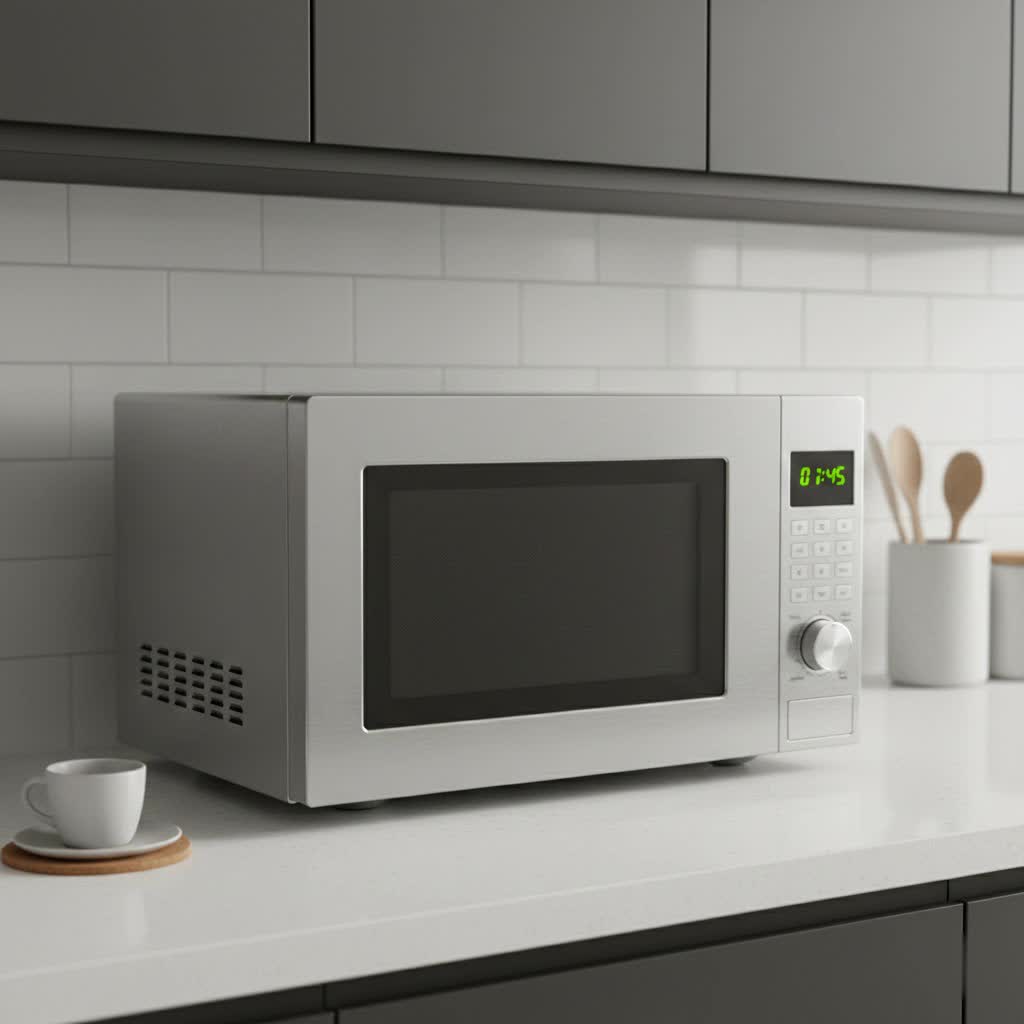
For many seniors, maintaining independence in the kitchen is key to a fulfilling lifestyle. A microwave oven can be an invaluable tool, offering a quick and safe way to prepare meals and snacks without the complexities of a traditional stove. However, standard microwaves with their array of tiny buttons and intricate settings can often be more frustrating than helpful. The ideal microwave for seniors prioritizes simplicity, safety, and effortless operation, focusing on features like large, intuitive dials and easy-to-open doors. This comprehensive guide will walk you through everything you need to know to select the perfect microwave, ensuring convenience and peace of mind for your loved ones.
What is a Microwave Oven? Basic Operating Principles
|
Our Picks for the Best Microwave in 2026
As an Amazon Associate I earn from qualifying purchases.
|
||
| Num | Product | Action |
|---|---|---|
| 1 | Chefman Countertop Microwave Oven 0.9 Cu. Ft., 900 Watts with 10 Power Levels, 6 Cooking Presets with One-Touch Express Cook, Eco Mode, Child Safety Lock, & Mute Button - Black |

|
| 2 | TOSHIBA ML-EM09PA(BS) Small Microwave Oven with 6 Auto Menus, Mute Function, LED Lighting Countertop Microwave Perfect for Kitchen, 0.9 Cu Ft, 10.6 Inch Removable Turntable, 900W Black Stainless Steel |
|
| 3 | TOSHIBA EM131A5C-BS Countertop Microwave Ovens 1.2 Cu Ft, 12.4" Removable Turntable Smart Humidity Sensor 12 Auto Menus Mute Function ECO Mode Easy Clean Interior Black Color 1000W |
|
| 4 | TOSHIBA EM131A5C-SS Countertop Microwave Ovens 1.2 Cu Ft with 12.4" Removable Turntable Smart Humidity Sensor, 12 Auto Menus Mute Function ECO Mode Easy Clean Interior, 1000W, Silver |
|
| 5 | COMFEE' EM720CPL-PM Countertop Microwave Oven with Sound On/Off, ECO Mode and Easy One-Touch Buttons, 0.7 Cu Ft/700W, Pearl White |
|
| 6 | FRIGIDAIRE EMW736BLK 0.7 Cu. Ft. Microwave, Black |
|
| 7 | Chefman Countertop Microwave Oven 0.7 Cu. Ft., 700 Watts with 10 Power Levels, 6 Cooking Presets with One-Touch Express Cook, Eco Mode, Child Safety Lock, & Mute Button - Black |
|
| 8 | COMFEE' EM720CPL-PMB Countertop Microwave Oven with Sound On/Off, ECO Mode and Easy One-Touch Buttons, 0.7cu.ft, 700W, Black |
|
| 9 | FRIGIDAIRE EMW788RETRO 0.7 cu. ft. Retro Microwave, Black-Gold |
|
| 10 | BLACK+DECKER EM720CB7 Digital Microwave Oven with Turntable Push-Button Door, Child Safety Lock, 700W, Stainless Steel, 0.7 Cu.ft |
|
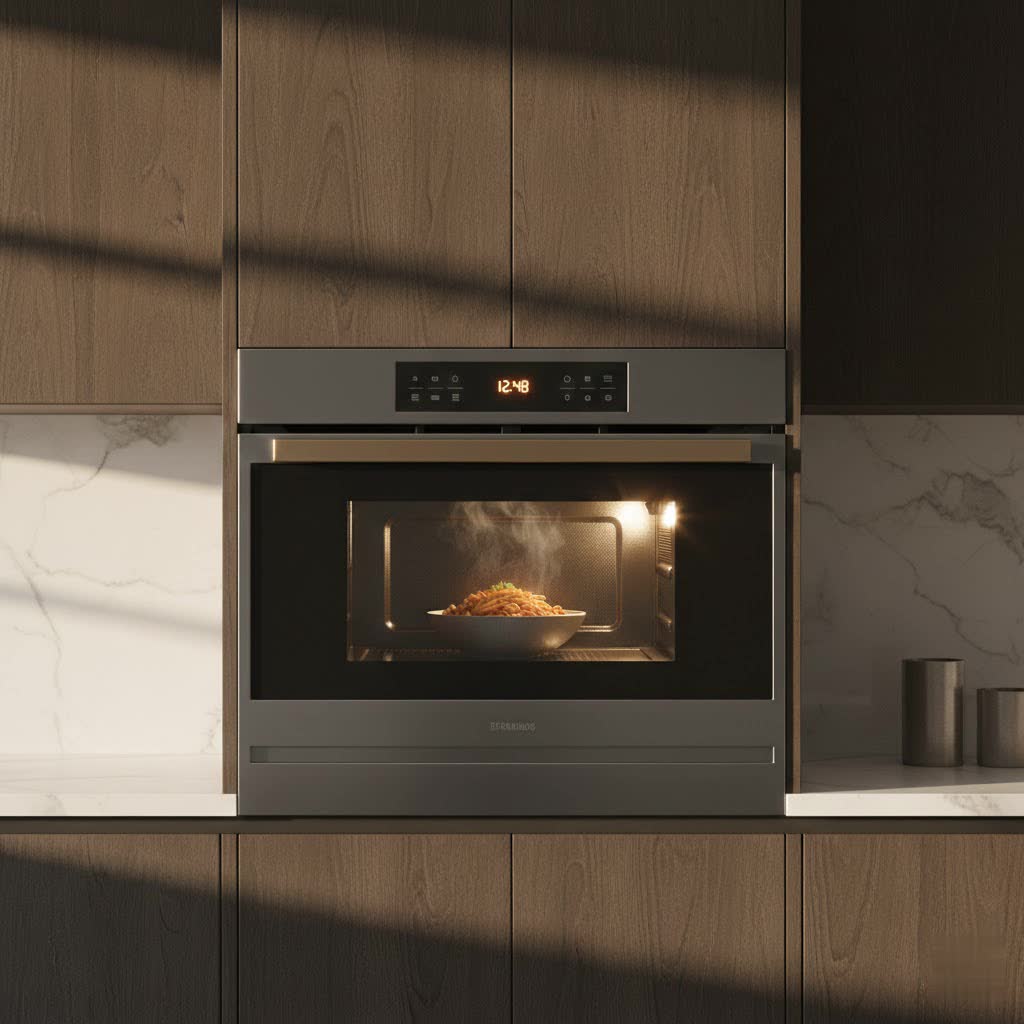
At its core, a microwave oven is an electric appliance designed to heat food by exposing it to electromagnetic radiation in the microwave frequency range. This seemingly complex process is quite simple: a component called a magnetron generates microwaves that bounce around the oven’s interior, absorbed by water, fat, and sugar molecules in food. These molecules rapidly vibrate, creating friction and generating heat, which quickly cooks or reheats the food from the inside out. This technology offers speed and efficiency, making it an indispensable tool in modern kitchens.
Common Types of Microwaves on the Market
The microwave market offers several types, each with distinct advantages and disadvantages. Understanding these differences is crucial when choosing a model tailored for senior use.
- Mechanical (Dial-Controlled) Microwaves: These are the simplest microwaves, featuring one or two rotary dials for setting time and power level.
- Pros: Extremely user-friendly, clear and large markings, highly durable due to fewer electronic components, often more affordable.
- Cons: Less precise cooking times (usually in increments of seconds or minutes), limited features.
- Best For: Seniors who prefer straightforward, no-fuss operation, individuals with visual impairments or dexterity challenges who benefit from tactile controls.
- Digital (Electronic Button-Controlled) Microwaves: These models come with a keypad and digital display, offering more precise control and a wider range of features.
- Pros: Exact cooking times, pre-programmed settings for popular foods, often more power and larger capacities.
- Cons: Keypads can be overwhelming with many small buttons, requiring more intricate presses, can be harder to see.
- Best For: Tech-savvy seniors comfortable with digital interfaces, those needing specific cooking functions beyond basic reheating.
- Convection Microwaves: These advanced microwaves combine microwave technology with a convection heating element and fan, allowing them to bake, roast, and brown food like a conventional oven.
- Pros: Highly versatile, offering more cooking options than standard microwaves.
- Cons: More complex controls, higher price point, larger footprint, can be confusing to operate.
- Best For: Seniors who cook extensively and want an all-in-one appliance, provided they are comfortable with advanced features and controls.
- Built-in and Over-the-Range Microwaves: These are designed to be integrated into cabinetry or installed above a range.
- Pros: Space-saving, sleek aesthetic.
- Cons: Installation requirements, controls can be less accessible, potentially higher cost.
- Best For: Seniors undergoing a kitchen renovation where space and aesthetics are paramount, or those who prefer countertop space clear.
Detailed Comparison Table of Microwave Types
| Feature / Type | Mechanical (Dial) | Digital (Button) | Convection | Built-in / Over-the-Range |
|---|---|---|---|---|
| Control Type | Rotary Dials | Keypad/Touchpad, Digital Display | Keypad/Touchpad, Digital Display | Keypad/Touchpad, Digital Display |
| Ease of Use | Excellent (Very Simple) | Moderate to Complex | Complex | Moderate to Complex |
| Precision | Lower (increments) | High (exact seconds) | High | High |
| Features | Basic (time, power) | Pre-sets, sensor cooking, defrost | Baking, roasting, grilling, microwave | Pre-sets, ventilation (OTR) |
| Price Range | Low | Medium | High | Medium to High |
| Best For Seniors | Simplicity, dexterity issues | Tech-savvy, specific functions | Versatile cooks, advanced users | Space-saving, aesthetics |
| Visibility | Large markings on dials | Digital display (can be small) | Digital display | Digital display |
How to Choose the Right Microwave for Seniors
Selecting the best microwave for a senior involves a careful assessment of their specific needs, physical abilities, and kitchen setup.
-
Determine Usage Needs:
- What will the microwave primarily be used for? Is it mainly for reheating coffee and leftovers, or will it be used for cooking full meals, defrosting, or even baking? A simpler model suffices for basic tasks, while more complex needs might require a digital or convection microwave.
- How many people will be using it? A single individual might only need a compact model, whereas a couple or frequent guests might benefit from a larger capacity.
-
Choose the Appropriate Capacity:
- Small (under 0.8 cu ft): Ideal for individuals with limited counter space or those who primarily heat single servings. Often these are the simplest models.
- Medium (0.8-1.2 cu ft): Suitable for couples or small families, accommodating standard dinner plates and casserole dishes.
- Large (over 1.2 cu ft): Best for larger families or those who frequently cook for groups, fitting larger platters and cookware. For seniors, consider if a large interior might be difficult to reach into.
-
Select Suitable Power (Wattage):
- Low Power (under 800W): Typically found in compact, simpler models. They are energy-efficient but heat food more slowly, which might require longer cooking times.
- High Power (800W – 1200W): Found in most standard and larger microwaves. These heat food faster and more evenly, offering better performance for a wider range of cooking tasks. For seniors, faster cooking means less waiting and potentially fewer mistakes.
-
Prioritize Essential Features for Seniors:
- Controls: Look for large, clear rotary dials for setting time and power. If digital, ensure buttons are tactile, well-spaced, and have large, legible lettering. Minimal pre-programmed settings are often preferred to avoid confusion.
- Door Mechanism: An easy-grip handle that requires a simple pull is often more ergonomic than a small handle. Alternatively, a push-button door release can be excellent for those with limited grip strength or arthritis, making it effortless to open and close.
- Display: A large, brightly lit LED or digital display with high contrast is crucial for seniors with vision impairments, making it easy to read cooking times and settings.
- Audible Alerts: Loud, clear beeps or dings signal when cooking is complete, preventing forgotten food and ensuring safety.
- Interior Lighting: Bright interior lighting helps seniors monitor food without opening the door, which is safer and more convenient.
- Safety Features: Automatic shut-off when the door is opened is standard, but a child lock feature can prevent accidental use, even if children are not regularly present.
-
Consider Reputable Brands:
Brands like Panasonic, Toshiba, Sharp, GE, Black+Decker, and Commercial Chef are often cited for their reliability and range of features. Researching specific models within these brands can help narrow down choices. -
Compare Price and Value:
While budget is always a factor, balancing the cost with essential features and durability is key. Sometimes a slightly higher investment for a user-friendly and reliable model can save money and frustration in the long run.
Top Microwave Models for Seniors (with Detailed Reviews)
Finding the right balance of simplicity, safety, and functionality is paramount. Here are some top recommendations, keeping senior-friendly features in mind:
- Commercial Chef Counter Top Rotary Microwave: This compact model is frequently praised for its straightforward design. It features dual rotary dial controls that are easy to turn and read, allowing seniors to adjust time and power levels without hassle. The easy-grip handle ensures the door opens smoothly, ideal for those with limited dexterity. It’s also budget-friendly, making it an accessible option. However, some reports suggest a shorter lifespan, which is a consideration for long-term use.
- Panasonic NE-1025F Compact Light-Duty Commercial Microwave Oven: While marketed as “commercial,” this Panasonic model is beloved for its exceptional durability and simple 6-minute electronic dial timer. It’s a no-frills, 1000W powerhouse that prioritizes reliability and straightforward operation. The lack of complex settings and robust build make it an excellent, long-lasting choice for seniors seeking dependable performance.
- BLACK+DECKER EM720CB7 Digital Microwave Oven: For seniors comfortable with digital controls but needing simplicity, this compact microwave offers pre-programmed buttons for common tasks like popcorn or potatoes, simplifying operation. It features a push-button door release for easy access and a clear LED display. Its 700W power is adequate for reheating and basic cooking.
- Nostalgia RMO4AQ Retro Series Countertop Microwave: This 800-watt microwave combines a stylish vintage design with modern, user-friendly features. It often includes a digital clock and a selection of pre-programmed settings that are easy to navigate. Its design can be appealing for those who appreciate a touch of nostalgia, and its easy-to-clean interior is a practical benefit.
- AmazonBasics Microwave Bundle with Echo Dot: For the tech-savvy senior, this voice-activated microwave offers hands-free convenience through Alexa. Users can command it to cook, reheat, or defrost. While its flat keypad might be a drawback for some with dexterity issues, the voice control can be a game-changer for others, providing a unique and effortless cooking experience. It typically operates at 700 watts.
“When choosing a microwave for seniors, the focus should always be on eliminating frustration and maximizing ease of use. Large, clear controls and a door that opens without a struggle are non-negotiable for true independence.” – Dr. Emily Chen, Geriatric Product Specialist
Safe and Efficient Microwave Use for Seniors
Even with a senior-friendly microwave, safe and efficient usage practices are crucial to prevent accidents and ensure food is prepared correctly.
-
Important Safety Tips:
- Use Microwave-Safe Containers Only: Always check for “microwave-safe” labels on dishes. Never use metal, aluminum foil, or containers with metallic trim, as these can cause arcing and fires.
- Avoid Overfilling: Don’t crowd the microwave with too much food or liquid, which can lead to uneven heating or spills.
- Use Oven Mitts: Always use oven mitts or pot holders when removing heated items, as containers can become extremely hot.
- Cover Food: Use microwave-safe lids or plastic wrap (vented) to cover food. This prevents splatters, helps food cook more evenly, and retains moisture.
- Stir and Rotate: For larger portions, stir food halfway through cooking or rotate the dish to ensure even heating and eliminate cold spots where bacteria might linger.
- Check Food Temperature: Use a food thermometer to ensure food reaches a safe internal temperature, especially for meats and poultry, to avoid foodborne illness.
- Beware of Superheated Water: Water heated in a microwave can become superheated without boiling, potentially erupting violently when disturbed. Add a non-metallic stir stick or leave a spoon in the cup to prevent this.
-
Cleaning and Maintenance:
- Wipe Spills Immediately: Food splatters can bake onto the interior, making them harder to remove and potentially affecting performance. Wipe them up right away with a damp cloth.
- Regular Deep Cleaning: Mix equal parts water and white vinegar in a microwave-safe bowl. Heat for 5-10 minutes until the window is steamy. Let it sit for 5 minutes, then wipe the interior clean with a sponge.
- Check Door Seal: Regularly inspect the door seal for any damage or debris. A compromised seal can lead to microwave leakage, which is a safety hazard.
-
Common Issues and Simple Troubleshooting:
- Microwave Not Heating: Ensure the door is fully closed and latched. Check if it’s plugged in. If the light is on but it’s not heating, it might indicate a magnetron issue, requiring professional service.
- Turntable Not Spinning: Ensure the turntable is correctly seated on its support ring and coupler. If it’s still not spinning, the motor or ring might be faulty.
- Door Not Opening/Closing: Check for obstructions around the door or latch. For push-button doors, the mechanism might be jammed.
- Strange Noises or Sparks: Immediately unplug the microwave. This often indicates a serious problem like arcing from metal, a damaged waveguide cover, or magnetron issues, and requires professional attention.
Conclusion
Empowering seniors to maintain their independence in the kitchen is a gift, and choosing the right microwave plays a significant role. By prioritizing features like large dials, easy-to-open doors, and intuitive controls, we can ensure that meal preparation remains a simple, safe, and enjoyable experience. Whether it’s a basic mechanical model or a more advanced voice-controlled unit, the perfect microwave for your senior loved one is one that fits their unique needs, promotes confidence, and adds convenience to their daily routine. With the insights from this guide, you’re well-equipped to make an informed decision, fostering self-sufficiency and peace of mind.
What features do you find most essential for senior-friendly kitchen appliances?
Frequently Asked Questions
What makes a microwave senior-friendly?
A senior-friendly microwave typically features large, tactile dials or buttons with clear labels, an easy-to-open door mechanism (like a pull-style handle or a simple push-button release), a large, legible display, and loud audible alerts. Simplicity in controls and limited complex programming are also key to ensuring ease of use and reducing confusion for seniors.
What wattage is best for seniors?
For most seniors, a microwave with 700 to 1000 watts is generally recommended. Lower wattage (700-800W) is sufficient for basic reheating and defrosting, often found in simpler, more compact models. Higher wattage (900-1000W) offers faster and more even cooking, which can be beneficial for those who use their microwave for more extensive cooking tasks.
Are dial or button controls better for seniors?
Generally, dial controls are often preferred for seniors as they are more tactile, easier to grasp and turn, and typically have larger, clearer markings. Digital buttons can be effective if they are large, well-spaced, and offer strong tactile feedback, but small, numerous buttons on a flat keypad can be challenging for those with dexterity issues or visual impairments.
What kind of door is easiest to open?
Microwaves with large, easy-grip pull handles or a simple push-button release mechanism are typically the easiest for seniors to open. These designs require minimal force or intricate hand movements, which is ideal for individuals with arthritis, weakened grip strength, or limited dexterity.
Are convection microwaves good for seniors?
Convection microwaves offer versatility for baking and roasting, but their more complex control panels and multiple functions can be overwhelming for many seniors. While they might be suitable for tech-savvy seniors who enjoy extensive cooking, for most, a simpler microwave without the convection feature will provide a more user-friendly and less confusing experience.