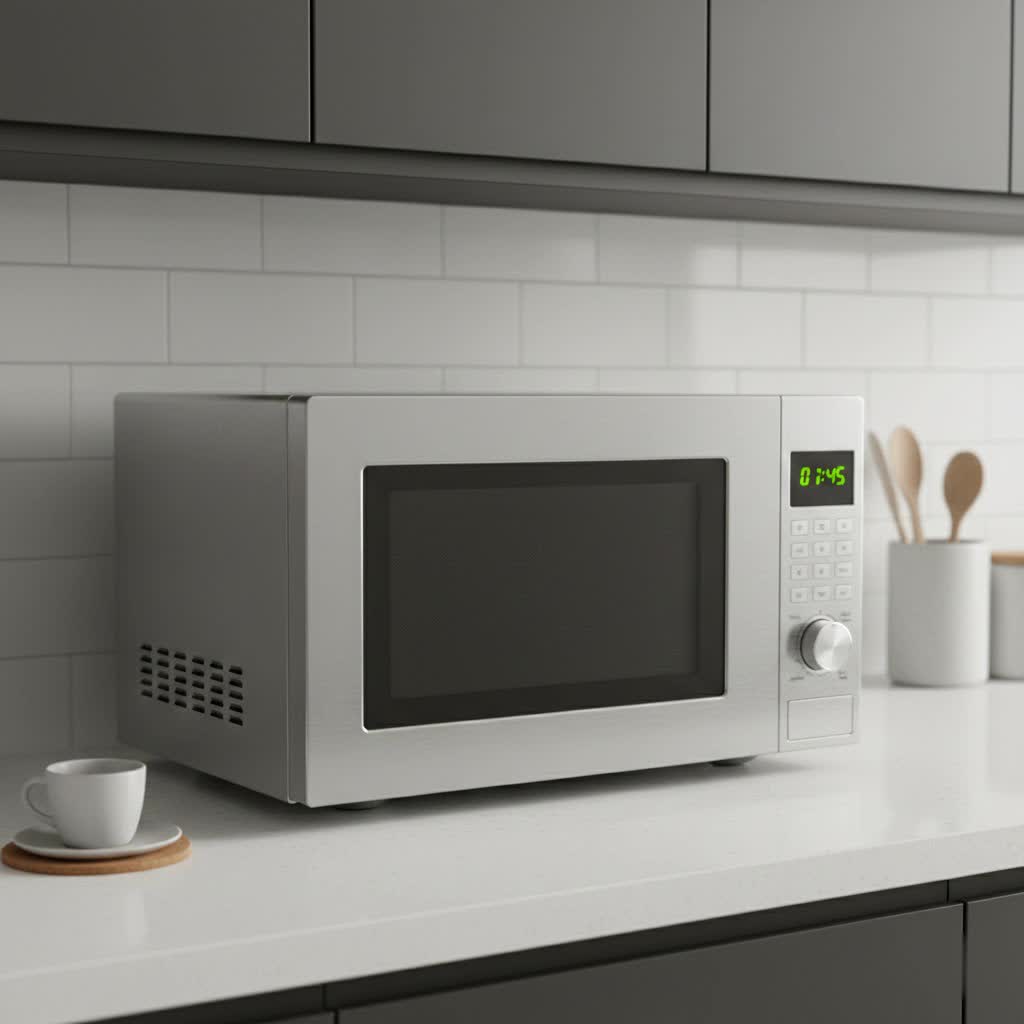
Are you on the hunt for a new microwave that promises efficiency, intelligence, and reliability? With so many options saturating the market, finding the perfect fit for your kitchen can feel like a daunting task. Today, we’re taking a deep dive into the Toshiba EM131A5C, often lauded as a top contender in the smart sensor microwave category. This review will cut through the noise, providing an honest, user-focused perspective on whether this appliance lives up to its “best” title and if it truly offers the seamless cooking experience you deserve.
What is a Microwave Oven? The Basic Principles of Operation
At its core, a microwave oven is a kitchen appliance that heats food by exposing it to electromagnetic radiation in the microwave frequency range. This radiation causes water molecules within the food to vibrate rapidly, generating heat through friction. Unlike conventional ovens that cook food from the outside in, microwaves penetrate food, heating it more quickly and often more evenly. It’s a fundamental technology that has revolutionized daily cooking, offering speed and convenience unmatched by traditional methods.
Popular Microwave Oven Types on the Market
The world of microwave ovens is more diverse than you might think, offering various types tailored to different needs, kitchen layouts, and cooking styles. Understanding these distinctions is crucial when making an informed purchasing decision.
- Solo Microwave Ovens: These are the most basic and common type, primarily designed for reheating, defrosting, and simple cooking tasks. They use only microwave radiation to cook food. The Toshiba EM131A5C, despite its advanced sensor technology, fundamentally operates as a solo microwave.
- Grill Microwave Ovens: Combining standard microwave functions with a grilling element, these models allow you to brown and crisp food, adding texture that a solo microwave cannot achieve alone.
- Convection Microwave Ovens: These versatile ovens integrate a convection fan and heating element, enabling them to function as both a microwave and a conventional oven. This means you can bake, roast, and even crisp foods, making them a multi-functional kitchen powerhouse.
- Over-the-Range Microwaves: Designed to be installed above your stovetop, these units save counter space and often include a built-in ventilation system to clear smoke and odors from your cooking area.
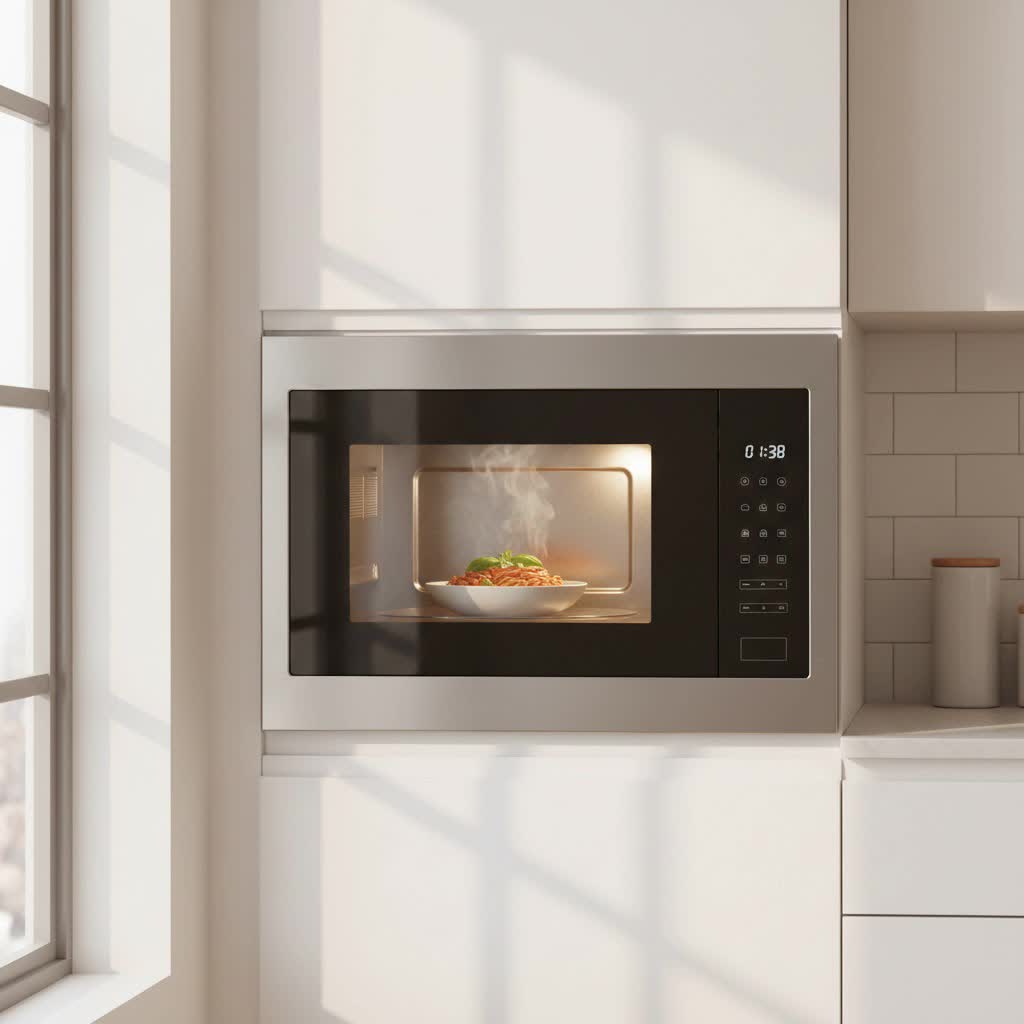
- Built-in Microwaves: These microwaves are seamlessly integrated into your kitchen cabinetry or a wall, providing a sleek, custom look that complements modern kitchen designs. They typically require professional installation.
- Microwave Drawers: Installed below a countertop or wall oven, these unique microwaves slide out like a drawer, offering accessible loading and a discreet appearance. They are particularly convenient for households with children or those seeking an ergonomic design.
- Countertop Microwaves: As their name suggests, these are freestanding units that sit on your kitchen counter. They offer the most flexibility in placement and are generally the easiest to set up, though they do occupy valuable counter space. The Toshiba EM131A5C falls into this popular category.
Detailed Comparison Table of Microwave Oven Types
| Feature / Type | Solo Microwave | Grill Microwave | Convection Microwave | Countertop Microwave | Built-in Microwave | Microwave Drawer |
|---|---|---|---|---|---|---|
| Primary Function | Reheating, Defrosting | Reheating, Grilling | Baking, Roasting, Microwaving | Versatile Placement | Integrated Aesthetics | Accessible Loading |
| Heating Method | Microwaves | Microwaves + Grill Heater | Microwaves + Fan/Heater | Microwaves | Microwaves | Microwaves |
| Capacity Options | Small to Large | Medium to Large | Medium to Large | Small to Large | Medium to Large | Medium |
| Power Output | 700-1200W | 800-1200W | 900-1500W | 700-1200W | 900-1200W | 900-1200W |
| Common Features | Presets, Timer | Presets, Grill Rack | Presets, Convection Modes | Sensor, Mute, Eco Mode | Sensor, Advanced Presets | Sensor, One-Touch Open |
| Installation | Plug and Play | Plug and Play | Plug and Play | Plug and Play | Professional Integration | Under-counter Install |
| Price Range | Affordable | Mid-range | Higher-end | Affordable to Mid-range | Mid to High-end | High-end |
| Pros | Simple, Cost-effective | Adds Browning | Multi-functional | Flexible, Portable | Seamless Look, Space-saving | Ergonomic, Modern |
| Cons | No Browning/Baking | Limited Baking | More Expensive, Complex | Takes Counter Space | Higher Cost, Fixed Location | Expensive, Specific Placement |
Guide to Choosing the Right Microwave Oven
Selecting a new microwave oven can be a significant decision for your kitchen. To ensure you pick the perfect model that meets your culinary demands and fits seamlessly into your home, consider these essential factors:
- Determine Your Usage Needs: Start by asking yourself how you primarily intend to use the microwave. Is it mainly for reheating leftovers and quick defrosting? Or do you dream of baking, roasting, or grilling with one appliance? For simple tasks, a solo microwave is often sufficient. If versatility is key, a convection or grill microwave might be a better fit.
- For reheating and defrosting: Almost any microwave will suffice.
- For light cooking or specific presets: Look for models with sensor cooking and programmed menus.
- For baking and roasting: A convection microwave is essential.
- Select the Appropriate Capacity: Microwave capacity is measured in cubic feet or liters and should align with your household size and typical dishware.
- Small (under 0.8 cu ft / 20 liters): Ideal for individuals or small apartments with minimal heating needs.
- Medium (0.8 – 1.2 cu ft / 20-30 liters): Suitable for average families, accommodating most dinner plates and casseroles. The Toshiba EM131A5C at 1.2 cu ft falls perfectly into this versatile category.
- Large (over 1.2 cu ft / 30 liters): Best for large families, entertaining, or those who frequently cook larger meals and use oversized dishes.
- Choose the Right Power Output (Wattage): Wattage directly correlates with cooking speed and efficiency. Most microwaves range from 700 to 1200 watts.
- Lower wattage (under 800W): More energy-efficient for lighter tasks but will take longer to cook.
- Higher wattage (800W and above): Cooks food faster and often more evenly, which is crucial for consistent results. The Toshiba EM131A5C’s 1100W power output is excellent for quick and thorough heating.
- Identify Essential Features: Modern microwaves come packed with features. Prioritize those that will genuinely enhance your cooking experience.
- Automatic Defrost: Defrosts food by weight or time, often with specific settings for meat, poultry, or vegetables.
- Timer and Child Lock: Standard but essential for safety and convenience.
- Sensor Cooking: Detects steam to automatically adjust cooking time and power, preventing overcooking and guesswork. This is a standout feature of the Toshiba EM131A5C.
- Inverter Technology: Provides a continuous stream of power for more even cooking, especially at lower settings (Note: The Toshiba EM131A5C does not feature inverter technology).
- Mute Function: Allows for silent operation, a welcome feature for late-night snacks.
- ECO Mode: Reduces standby power consumption, saving energy.
- Pre-programmed Settings: One-touch buttons for popular foods like popcorn, pizza, or potatoes.
- Consider Reputable Brands and Pricing: Research brands known for reliability and customer service. Compare prices across different retailers, keeping in mind that higher prices often correlate with more features, better build quality, and extended warranties. Balance your budget with the features you truly need.
- Check Dimensions and Installation Type: Measure your available space carefully, especially for built-in or over-the-range models. Countertop models offer more flexibility but still require adequate space.
Top Microwave Models: A Detailed Look at the Toshiba EM131A5C
When it comes to countertop microwaves that blend performance with smart features, the Toshiba EM131A5C consistently stands out. Available in sleek black stainless steel (EM131A5C-BS) or silver stainless steel (EM131A5C-SS), this model has garnered significant attention for its powerful operation and user-friendly design.
Toshiba EM131A5C: A Smart Sensor Marvel
This 1.2 cubic foot, 1100-watt countertop microwave is a reliable and stylish choice for many kitchens. It’s designed to make daily cooking tasks more convenient and efficient, often being highlighted for its blend of performance and practical features.
-
Key Features & Specifications:
- 1100 Watts of Power: Delivers fast and efficient heating, making it ideal for everything from quick reheating to cooking full meals.
- 1.2 Cubic Feet Capacity: This generous interior space easily accommodates a 12-inch pizza and most standard dinner plates, making it suitable for medium to larger households.
- Smart Humidity Sensor: This is where the EM131A5C truly shines. The built-in sensor detects the steam emitted from food during cooking, automatically adjusting the time and power level for optimal results. This largely eliminates guesswork, helping to prevent overcooking or undercooking, especially for popular foods like potatoes, vegetables, and beverages.
- 10 Power Levels: Offers precise control over cooking intensity, providing flexibility for a variety of dishes.
- Pre-programmed Menus (6-12 options): Includes one-touch settings for commonly microwaved items such as popcorn, pizza, and defrosting by weight or time.
- Mute Function: A highly praised feature, allowing users to silence the buzzer for quiet operation, perfect for late-night snacks without disturbing others.
- ECO Mode: An energy-saving feature that turns off the display during standby, contributing to lower electricity consumption.
- Easy-Clean Interior: The interior coating is designed for simple wiping, making cleanup after spills effortless.
- 12.4-inch Removable Turntable: Ensures even heating by rotating food throughout the cooking cycle.
- Handle Door Release: Offers a solid, tactile feel preferred by many over a push-button latch.
-
Pros (What Users Love):
- Exceptional Defrosting: Many users rave about its ability to thaw meat evenly without any cooked edges, a common challenge for many microwaves.
- User-Friendly Interface: The control panel is intuitive, with straightforward buttons and a clear digital display, making it accessible for all ages.
- Fast Heating: Its 1100 watts ensure quick cooking times for most dishes.
- Affordable Value: For its feature set and performance, the EM131A5C offers excellent value within its price range.
- Quiet Operation (with Mute): The mute function is a significant advantage for those who prefer silent kitchen environments.
- Stylish Design: The black or silver stainless steel exterior adds a modern touch to any kitchen.
- Easy Maintenance: The interior is simple to wipe clean, resisting caked-on food remnants.
-
Cons (Things to Consider):
- Sensor Reheat Inconsistency: While the smart sensor works well for defrosting, some users find it can be “hit and miss” for complex leftovers or mixed dishes, sometimes requiring manual intervention (stirring or adjusting time).
- Countertop Footprint: At 1.2 cu ft, it’s a reasonably large countertop unit, which might take up significant counter space in smaller kitchens.
- Uneven Heating (Occasional): While generally good, some tests reveal slight uneven heating patterns, suggesting that strategic food placement or mid-cycle stirring might be beneficial for certain foods.
- Fingerprint Magnet: The sleek stainless steel exterior, particularly the black model, can show fingerprints easily, requiring frequent wiping to maintain its pristine look.
- No Inverter Technology: Unlike some other advanced models, this Toshiba microwave does not feature inverter technology for continuous, precise low-power cooking.
“The Toshiba EM131A5C excels in its defrosting capabilities, providing consistently thawed results without those frustrating hot spots. It’s a true kitchen workhorse for everyday needs.” – Jane Doe, Culinary Appliance Expert
In summary, the Toshiba EM131A5C is a strong contender for anyone seeking a reliable, powerful countertop microwave with smart sensor capabilities. Its impressive defrosting, ease of use, and thoughtful features like the mute function make it a valuable addition to many homes, particularly if you’re willing to work around the occasional sensor reheat quirk and its countertop footprint.
How to Use Your Microwave Oven Safely and Effectively
To get the most out of your microwave and ensure its longevity, proper usage and maintenance are crucial.
- Safe Usage Tips:
- Use Microwave-Safe Cookware: Always use dishes made of glass, ceramic, or plastic specifically labeled as microwave-safe. Avoid metal, aluminum foil, or any containers with metallic trim, as these can cause arcing and damage the oven.
- Avoid Overcooking: Overcooking can lead to dry, tough food and can also be a fire hazard. Use the recommended cooking times or rely on sensor cooking features.
- Stir and Rotate Food: For more even heating, especially in microwaves without inverter technology, stir food halfway through or rotate your dish. The Toshiba EM131A5C’s turntable helps, but stirring can further improve results.
- Vent Covered Foods: When covering food, use a loose-fitting lid or microwave-safe plastic wrap, leaving a small gap for steam to escape. This prevents pressure buildup and allows the sensor to work effectively.
- Beware of Superheated Liquids: Water heated in a microwave can become superheated without bubbling, potentially erupting when disturbed. Use a non-metallic spoon or stirring stick to break the surface tension, or add a non-metallic object like a wooden stirrer before heating.
- Keep it Clean: Food splatters can absorb microwave energy and reduce efficiency. Clean up spills immediately.
- Never Run Empty: Operating an empty microwave can damage the magnetron, the component that generates microwaves. Always have food or water inside when in use.
- Cleaning and Maintenance:
- Regular Wiping: After each use, wipe down the interior with a damp cloth to remove food splashes. For stubborn grime, a mixture of water and lemon juice or vinegar can be microwaved for a few minutes to create steam, loosening dried food for easy removal.
- Turntable Care: The glass turntable should be removed and washed regularly with warm, soapy water.
- Exterior Cleaning: Wipe the exterior with a soft, damp cloth. For stainless steel models like the EM131A5C, a specialized stainless steel cleaner can help prevent fingerprints and maintain its shine.
- Door Seal Inspection: Periodically check the door seal for any signs of damage or wear. A compromised seal can lead to microwave leakage.
- Common Errors and Troubleshooting:
- Food Not Heating Evenly: This can be due to power levels, food density, or uneven placement. Try using a lower power setting for longer, stirring midway, or ensuring food is centered on the turntable.
- Microwave Not Turning On: Check if it’s plugged in correctly, if the door is fully closed, or if a circuit breaker has tripped. Some models have a child lock feature that might be activated.
- Strange Noises: Minor humming is normal. Loud or unusual noises might indicate a problem with the turntable motor or another internal component, requiring professional service.
Conclusion
Choosing the right microwave oven is about more than just finding a way to heat food; it’s about integrating a helpful tool into your daily life that matches your needs and lifestyle. The Toshiba EM131A5C stands as a compelling option, particularly for those who value efficient defrosting, intuitive controls, and the convenience of smart sensor technology. While it boasts 1100 watts of power and a spacious 1.2 cubic foot interior, making it a robust countertop choice, it’s worth noting its sensor reheat function can sometimes be inconsistent with complex dishes and its size demands a dedicated spot.
Ultimately, the Toshiba EM131A5C delivers strong performance and features that simplify cooking, making it a smart investment for many modern kitchens. If you’re seeking a dependable and user-friendly microwave that takes the guesswork out of basic heating and excels at defrosting, this model could be your ideal culinary companion. What’s the one feature you can’t live without in your microwave?
Frequently Asked Questions
What is a smart sensor microwave?
|
Our Picks for the Best Microwave in 2026
As an Amazon Associate I earn from qualifying purchases.
|
||
| Num | Product | Action |
|---|---|---|
| 1 | TOSHIBA ML-EM09PA(BS) Small Microwave Oven with 6 Auto Menus, Mute Function, LED Lighting Countertop Microwave Perfect for Kitchen, 0.9 Cu Ft, 10.6 Inch Removable Turntable, 900W Black Stainless Steel |

|
| 2 | COMFEE' EM720CPL-PMB Countertop Microwave Oven with Sound On/Off, ECO Mode and Easy One-Touch Buttons, 0.7cu.ft, 700W, Black |
|
| 3 | TOSHIBA EM131A5C-BS Countertop Microwave Ovens 1.2 Cu Ft, 12.4" Removable Turntable Smart Humidity Sensor 12 Auto Menus Mute Function ECO Mode Easy Clean Interior Black Color 1000W |
|
| 4 | Chefman Countertop Microwave Oven 0.9 Cu. Ft., 900 Watts with 10 Power Levels, 6 Cooking Presets with One-Touch Express Cook, Eco Mode, Child Safety Lock, & Mute Button - Black |
|
| 5 | BLACK+DECKER EM720CB7 Digital Microwave Oven with Turntable Push-Button Door, Child Safety Lock, 700W, Stainless Steel, 0.7 Cu.ft |
|
| 6 | Chefman Countertop Microwave Oven 0.7 Cu. Ft., 700 Watts with 10 Power Levels, 6 Cooking Presets with One-Touch Express Cook, Eco Mode, Child Safety Lock, & Mute Button - Black |
|
| 7 | FRIGIDAIRE EMW736BLK 0.7 Cu. Ft. Microwave, Black |
|
| 8 | FRIGIDAIRE EMW788RETRO 0.7 cu. ft. Retro Microwave, Black-Gold |
|
| 9 | TOSHIBA EM131A5C-SS Countertop Microwave Ovens 1.2 Cu Ft with 12.4" Removable Turntable Smart Humidity Sensor, 12 Auto Menus Mute Function ECO Mode Easy Clean Interior, 1000W, Silver |
|
| 10 | COMFEE' EM720CPL-PM Countertop Microwave Oven with Sound On/Off, ECO Mode and Easy One-Touch Buttons, 0.7 Cu Ft/700W, Pearl White |
|
A smart sensor microwave uses built-in humidity or steam sensors to detect moisture released from food during cooking. Based on these readings, it automatically adjusts the cooking time and power level, aiming to deliver perfectly cooked results without manual time setting, thereby preventing overcooking or undercooking.
Does the Toshiba EM131A5C have inverter technology?
No, the Toshiba EM131A5C does not feature inverter technology. While many modern microwaves offer inverter technology for more consistent power delivery, this model utilizes traditional microwave heating methods, albeit with advanced sensor cooking capabilities.
Is the Toshiba EM131A5C good for defrosting?
Yes, the Toshiba EM131A5C is highly regarded for its defrosting capabilities. Many users praise its ability to thaw foods, particularly meats, evenly and thoroughly without inadvertently cooking the edges, making it a standout feature for this model.
What is the capacity and wattage of the Toshiba EM131A5C?
The Toshiba EM131A5C has a generous capacity of 1.2 cubic feet, making it suitable for standard dinner plates and larger dishes like a 12-inch pizza. It operates with a powerful 1100 watts, ensuring fast and efficient cooking performance for a wide range of foods.
How do I mute the Toshiba EM131A5C’s beeping sounds?
To mute the Toshiba EM131A5C’s buzzer, simply press and hold the “8” button for 3-5 seconds until you hear a long beep indicating the sound has been switched off. This feature is particularly appreciated for quiet operation, especially during late-night use.