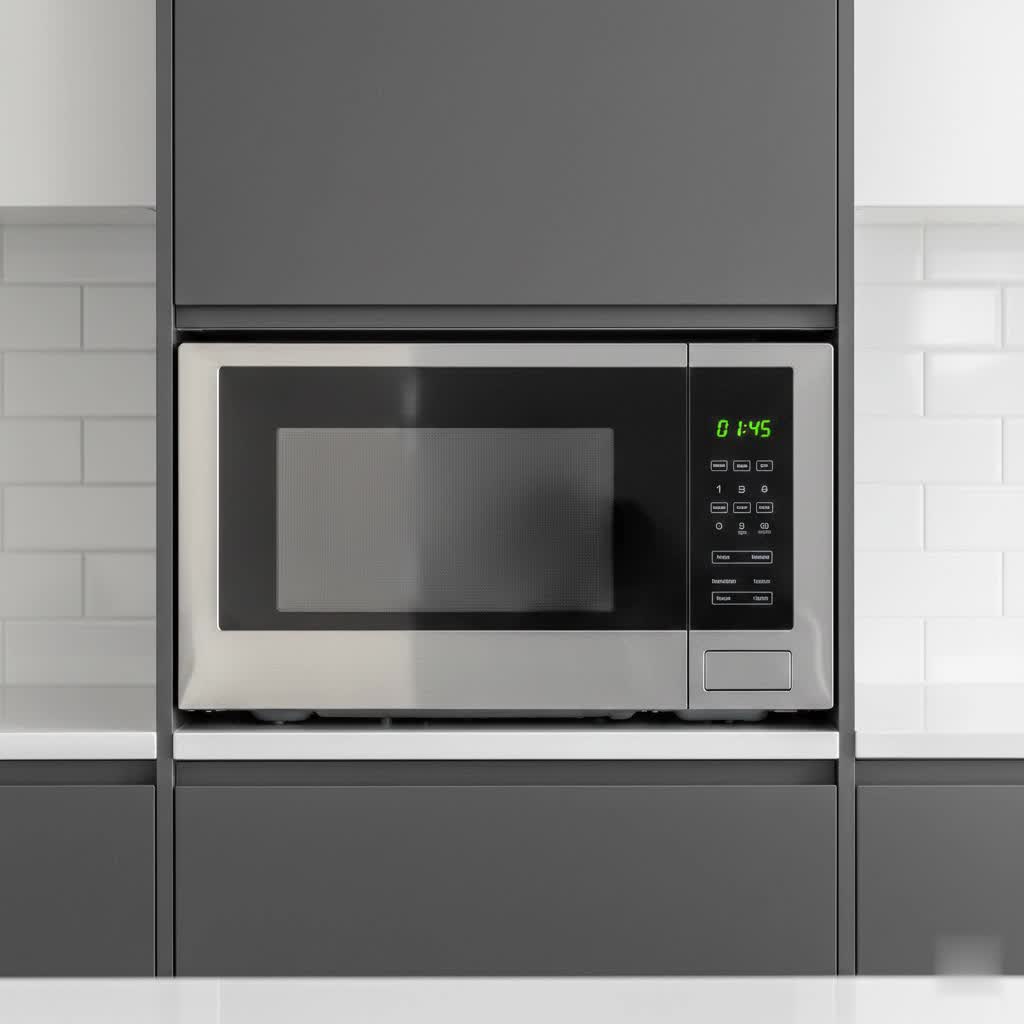
Have you ever found yourself anxiously watching your dinner spin in the microwave, wondering if those invisible waves are secretly harming you? It’s a common concern, fueled by years of myths and misconceptions surrounding this ubiquitous kitchen appliance. As a seasoned technician with over a decade of hands-on experience in microwave technology, I’m here to cut through the noise and give you a straightforward answer: for a properly functioning microwave, standing in front of it while it’s running is generally safe.
This article will delve into the science behind microwave ovens, dissect the truth about radiation exposure, clarify potential risks, and provide practical tips for safe operation. By the end, you’ll understand why modern microwaves are engineered for safety and how you can use yours with complete peace of mind.
Understanding Microwave Ovens: How They Work and Why They’re Built for Safety
At its core, a microwave oven is a clever device designed to heat food rapidly. But how exactly does it achieve this, and what makes it safe to use?
Microwaves are a type of electromagnetic radiation, similar to radio waves, visible light, or Wi-Fi signals. They sit on the lower energy end of the electromagnetic spectrum, making them “non-ionizing radiation.” This crucial distinction means microwaves do not possess enough energy to remove electrons from atoms or damage DNA, which is the mechanism by which X-rays and gamma rays (ionizing radiation) can cause cancer. Instead, microwaves heat food by causing water molecules within it to vibrate at high speeds, generating friction and, consequently, heat.
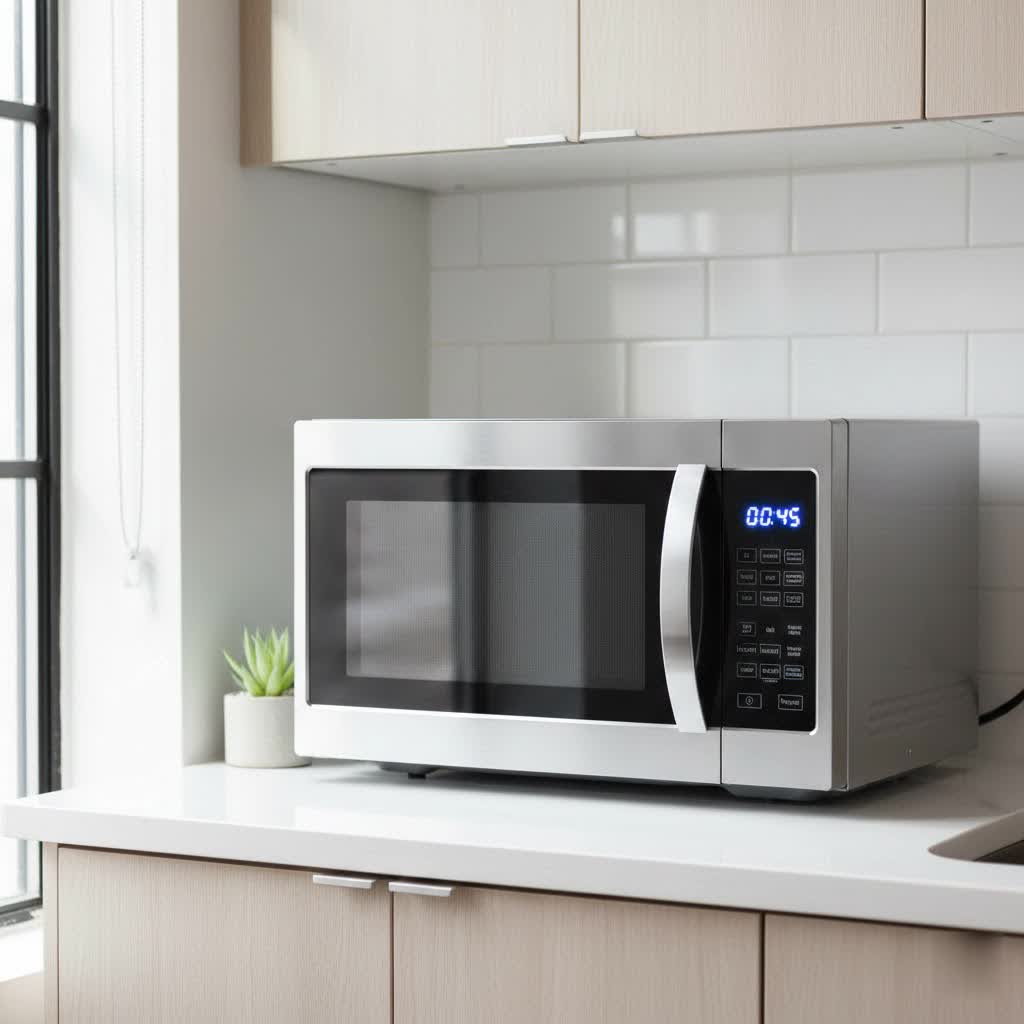
Modern microwave ovens are marvels of engineering, equipped with multiple safety features to contain these waves. The most visible is the metal mesh screen embedded in the door glass, which acts as a Faraday cage. The holes in this mesh are specifically designed to be too small for the microwave wavelengths to pass through, effectively keeping the radiation inside the cooking chamber. Additionally, sophisticated door seals and interlock systems prevent the oven from operating if the door is not securely closed, immediately shutting off microwave production if it’s opened mid-cycle. These designs adhere to strict safety standards set by regulatory bodies like the U.S. Food and Drug Administration (FDA) and the International Electrotechnical Commission (IEC), which dictate minimal leakage limits for consumer appliances.
The Science of Microwave Radiation and Your Body
The primary concern people have about microwave ovens is radiation exposure. Let’s clarify the science. The term “radiation” itself can be alarming, but it encompasses a vast spectrum, with vastly different effects.
As mentioned, microwave radiation is non-ionizing. This means it lacks the energy to directly damage cellular DNA, a prerequisite for cancer development. This is a fundamental difference from ionizing radiation, which includes UV light, X-rays, and gamma rays. Therefore, the long-standing myth that microwaves cause cancer has no scientific basis when referring to radiation emitted from a functional appliance.
However, non-ionizing microwave radiation can cause a thermal effect – meaning it can heat tissues, much like it heats your food. This thermal effect is only a concern with extremely high levels of exposure, far exceeding what a properly functioning microwave could emit. If you were exposed to such high levels, it could potentially cause burns. Certain body parts, particularly the eyes and testes, are more vulnerable to heat damage because they have less blood flow to dissipate excess heat. Prolonged, intense heating of the eyes, for instance, could theoretically lead to cataracts. It is critical to emphasize that these types of injuries are exceedingly rare and occur only under conditions of massive, uncontrolled microwave exposure, not from standing near a standard kitchen microwave.
Regarding low-level, long-term exposure, extensive research over decades has consistently shown no conclusive evidence of adverse health effects from microwave ovens operating within safety standards. While some studies explore the potential impacts of electromagnetic fields (EMF) in general, these are typically related to different types of devices or much higher exposure scenarios, and there’s currently insufficient scientific consensus to link regulated microwave oven emissions to long-term health problems. The prevailing scientific and regulatory view maintains that normal use of a well-maintained microwave poses no significant health risk.
Is Leakage a Real Concern? Addressing Radiation Emission
The idea of radiation “leaking” from a microwave oven often sparks anxiety. It’s true that a minimal amount of microwave energy can escape, but modern appliances are designed to ensure this leakage is well within safe limits.
Regulatory bodies establish stringent standards for microwave oven emissions. For instance, the FDA mandates that new microwave ovens must not emit more than 1 milliwatt of microwave radiation per square centimeter (mW/cm²) at 5 centimeters from the oven surface. After purchase, this limit increases slightly to 5 mW/cm² to account for normal wear and tear. Measurements consistently show that most ovens operate significantly below these limits.
Crucially, microwave radiation dissipates very rapidly with distance, following an inverse square law. This means that even if there were a slight leakage, moving just a short distance away dramatically reduces your exposure. For example, if you double your distance from the oven, the radiation intensity drops to one-quarter of its original level. This quick dissipation is a key reason why concerns about minimal leakage are largely unfounded for routine kitchen use. The robust construction, including the shielded door and metal casing, ensures that the vast majority of microwave energy remains contained, cooking your food efficiently and safely.
Safe Operating Practices: What You Should Do
While modern microwave ovens are inherently safe, adopting a few best practices can further enhance your peace of mind and ensure optimal performance.
- Inspect Your Microwave Regularly: This is perhaps the most crucial step. Periodically check the microwave door, hinges, latch, and sealing surfaces for any signs of damage, such as dents, bends, or gaps. A damaged door seal or a door that doesn’t close properly could potentially allow for increased leakage. If you notice any damage, do not use the oven until it has been inspected and repaired by a qualified technician or replaced.
- Maintain a Reasonable Distance (Precautionary): While standing directly in front of a functional microwave for a short period is considered safe, as a general precaution, it’s a good habit to step back a foot or two from the appliance while it’s operating. This further minimizes any extremely low-level exposure, though it’s not strictly necessary for safety. Avoid leaning against the oven for extended durations.
- Avoid Staring Directly Into the Oven: There’s no evidence that looking into the microwave’s window will harm your eyes from radiation, as the mesh effectively blocks it. However, staring at the intense internal light for prolonged periods can be uncomfortable, just like staring into any bright light source.
- Handle Hot Foods and Liquids with Care: The most common injuries related to microwave use are not from radiation, but from burns caused by hot containers, overheated foods, or “superheated” liquids. Water heated past its boiling point in a microwave can suddenly erupt when disturbed, leading to scalding. Always use oven mitts, stir liquids carefully, and allow food to cool slightly before handling.
- Ensure Proper Ventilation: Like many appliances, microwaves generate heat and need adequate airflow. Ensure the vents are not blocked and the oven has sufficient space around it, especially if it’s a countertop model.
“Modern microwave ovens are incredibly safe thanks to stringent regulatory standards and advanced shielding. The biggest risk in your kitchen isn’t radiation, but forgetting your oven mitts!” – Dr. Anya Sharma, Appliance Safety Expert
Debunking Common Microwave Myths
The fear surrounding microwaves is often rooted in persistent myths. Let’s set the record straight:
- Myth: Microwaves make food radioactive. This is absolutely false. Microwaves simply excite water molecules; they do not alter the molecular structure of food to make it radioactive. Your food is no more radioactive after microwaving than it was before.
- Myth: Microwaves destroy all nutrients. While all cooking methods can impact nutrient content to some degree (due to heat, water, and cooking time), microwaving often retains more nutrients than conventional methods like boiling, precisely because it typically involves less water and shorter cooking times.
- Myth: Microwaves cause cancer. As previously discussed, microwaves use non-ionizing radiation that cannot damage DNA in a way that leads to cancer. This myth has been thoroughly debunked by scientific and health organizations worldwide.
Conclusion
The bottom line is clear: if your microwave oven is in good working order, standing in front of it while it’s running poses no significant threat to your health. The robust safety features and strict regulatory standards ensure that any radiation leakage is minimal and harmless. Modern appliances are designed for convenience and safety, allowing you to quickly prepare meals without fear.
Prioritize regular inspection of your microwave for any physical damage, particularly around the door and seals. If you detect any issues, have it professionally serviced or consider replacing it. By understanding the science and following simple common-sense precautions, you can confidently utilize your microwave oven, focusing on the delicious results rather than unfounded anxieties. What are your thoughts on microwave safety?
Frequently Asked Questions
Can standing in front of a microwave cause cancer?
|
Our Picks for the Best Microwave in 2026
As an Amazon Associate I earn from qualifying purchases.
|
||
| Num | Product | Action |
|---|---|---|
| 1 | Chefman Countertop Microwave Oven 0.9 Cu. Ft., 900 Watts with 10 Power Levels, 6 Cooking Presets with One-Touch Express Cook, Eco Mode, Child Safety Lock, & Mute Button - Black |

|
| 2 | TOSHIBA EM131A5C-BS Countertop Microwave Ovens 1.2 Cu Ft, 12.4" Removable Turntable Smart Humidity Sensor 12 Auto Menus Mute Function ECO Mode Easy Clean Interior Black Color 1000W |
|
| 3 | TOSHIBA ML-EM09PA(BS) Small Microwave Oven with 6 Auto Menus, Mute Function, LED Lighting Countertop Microwave Perfect for Kitchen, 0.9 Cu Ft, 10.6 Inch Removable Turntable, 900W Black Stainless Steel |
|
| 4 | COMFEE' EM720CPL-PMB Countertop Microwave Oven with Sound On/Off, ECO Mode and Easy One-Touch Buttons, 0.7cu.ft, 700W, Black |
|
| 5 | TOSHIBA EM131A5C-SS Countertop Microwave Ovens 1.2 Cu Ft with 12.4" Removable Turntable Smart Humidity Sensor, 12 Auto Menus Mute Function ECO Mode Easy Clean Interior, 1000W, Silver |
|
| 6 | FRIGIDAIRE EMW736BLK 0.7 Cu. Ft. Microwave, Black |
|
| 7 | Chefman Countertop Microwave Oven 0.7 Cu. Ft., 700 Watts with 10 Power Levels, 6 Cooking Presets with One-Touch Express Cook, Eco Mode, Child Safety Lock, & Mute Button - Black |
|
| 8 | COMFEE' EM720CPL-PM Countertop Microwave Oven with Sound On/Off, ECO Mode and Easy One-Touch Buttons, 0.7 Cu Ft/700W, Pearl White |
|
| 9 | BLACK+DECKER EM720CB7 Digital Microwave Oven with Turntable Push-Button Door, Child Safety Lock, 700W, Stainless Steel, 0.7 Cu.ft |
|
| 10 | FRIGIDAIRE EMW788RETRO 0.7 cu. ft. Retro Microwave, Black-Gold |
|
No, standing in front of a properly functioning microwave oven will not cause cancer. Microwaves emit non-ionizing radiation, which does not have enough energy to damage DNA and initiate cancer development, unlike X-rays or gamma rays.
What is a safe distance to stand from a microwave?
For an undamaged microwave, any distance is generally safe. However, as a precaution, some experts suggest maintaining a distance of at least 1-2 feet (30-60 cm) from the operating appliance. Radiation intensity decreases rapidly with distance.
How do I know if my microwave is leaking radiation?
The most reliable way to know is through a professional inspection with specialized equipment. Visually, you should check for physical damage to the door, hinges, latches, or seals. If the door doesn’t close properly, or if there are dents or warping, it may indicate potential leakage.
Are old microwaves more dangerous?
Older microwaves, especially those with wear and tear, might have a slightly higher chance of developing door seal issues, which could lead to increased radiation leakage. However, they are still designed to meet safety standards. Regular inspection for damage is key, regardless of age.
What are the most common dangers of using a microwave?
The most common dangers associated with microwave ovens are thermal burns from hot food, containers, or “superheated” liquids that suddenly boil over. Radiation exposure from a properly functioning microwave is not considered a common danger.