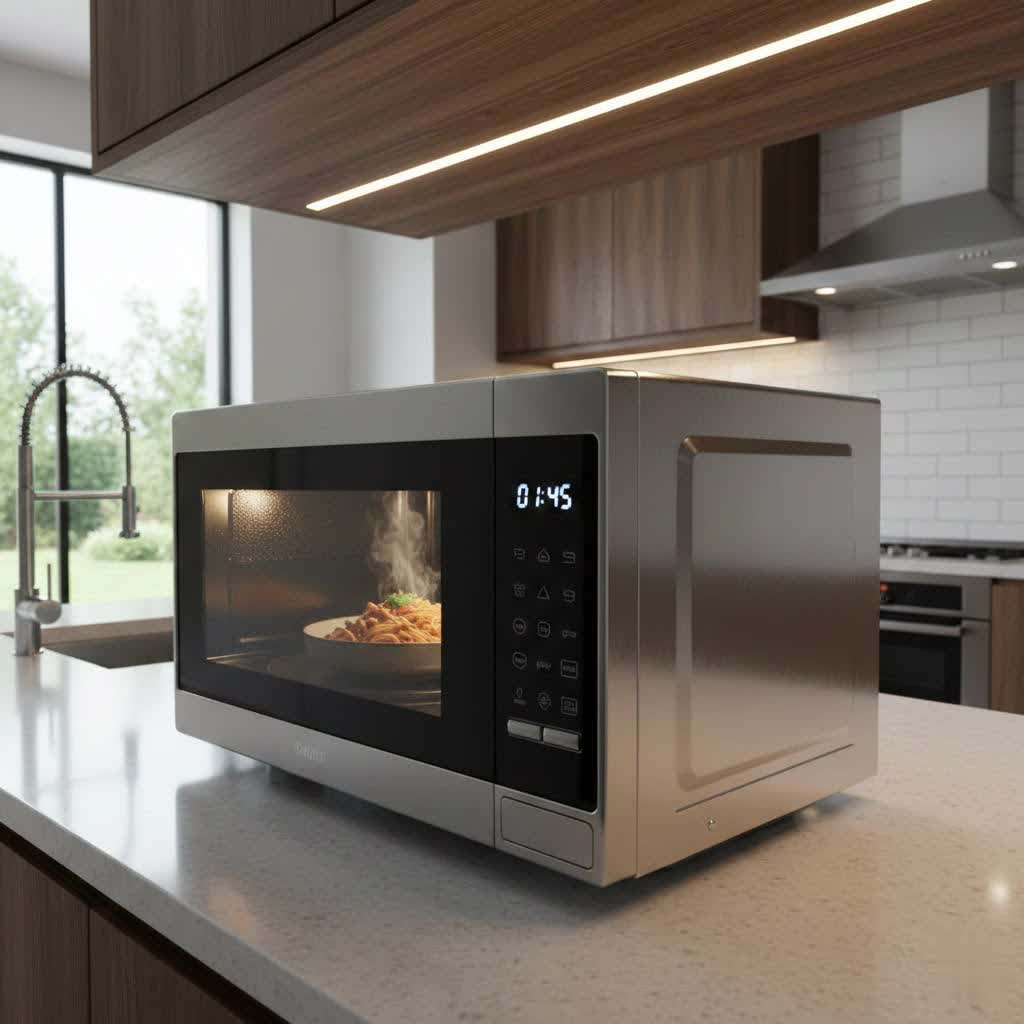
Choosing a new microwave can feel like a daunting task, especially with so many brands vying for your attention. If you’ve narrowed your choices down to two venerable Japanese giants, Panasonic and Toshiba, you’re on the right track. Both brands offer compelling options, but they cater to distinct needs and preferences. This comprehensive guide will dissect their technologies, features, performance, and value to help you determine which microwave brand reigns supreme for your kitchen.
Brand Legacies and Core Philosophies
Both Panasonic and Toshiba boast impressive legacies in the electronics and appliance industry, each with a rich history rooted in innovation and quality. Understanding their core philosophies can shed light on the design and functionality of their microwave ovens.
Panasonic, founded in 1918, has consistently pushed the boundaries of technology. In the microwave world, their commitment to innovation is best exemplified by their patented Inverter Technology, which revolutionized how food is cooked. This focus on cutting-edge features and precise performance has positioned Panasonic as a premium brand synonymous with advanced cooking capabilities and durability.
Toshiba, with a history dating back to 1875, has built its reputation on reliability and practical innovation. Their approach to kitchen appliances, including microwaves, emphasizes user-friendliness, robust performance for everyday tasks, and excellent value. Toshiba aims to integrate sophisticated technology with ease of use, making advanced features accessible and beneficial for a wide array of consumers without an exorbitant price tag.
Key Technologies and Performance
The heart of any microwave lies in its heating technology. Here, Panasonic and Toshiba diverge significantly, impacting everything from cooking consistency to defrosting efficiency.
Panasonic’s Inverter Technology: Precision Redefined
Panasonic microwaves are renowned for their proprietary Inverter Technology, a significant differentiator in the market. Unlike conventional microwaves that cycle power on and off to maintain a specific power level, Panasonic’s Inverter system delivers a continuous, steady stream of microwave energy.
This constant power output translates to several key benefits:
- Even Cooking: Food cooks more uniformly, preventing hot and cold spots often found with traditional microwaves. This is crucial for delicate foods, reheating leftovers, and ensuring consistent results.
- Precise Control: Inverter Technology allows for more accurate power level adjustments, giving you greater control over cooking, simmering, or warming. This precision helps preserve flavors and textures.
- Faster, More Even Defrosting: Panasonic’s “Turbo Defrost” leverages Inverter technology to thaw frozen foods quickly and smoothly, minimizing the risk of cooked edges while the center remains frozen. Many users report that Panasonic’s defrosting capabilities are superior, ensuring no cold spots.
Toshiba’s Approach: Smart Sensor and Convenience
Toshiba microwaves, while not typically featuring Inverter Technology, focus on delivering efficient and convenient cooking experiences through other smart features. Their models often incorporate:
- Smart Sensor Technology: This feature automatically adjusts cooking time and power levels by detecting the humidity emitted by the food. This intelligent system aims for optimal results, reducing the chances of under- or overcooking.
- ECO Mode: Many Toshiba microwaves include an ECO Mode designed to reduce energy consumption by turning off the LED display when not in active use, appealing to environmentally conscious users.
- Practical Presets: Toshiba excels in providing intuitive, one-touch preset menus for common items like popcorn, pizza, and potatoes, making quick meals incredibly easy.
Performance Comparison
When comparing overall performance, both brands offer reliable functionality. However, Panasonic’s Inverter Technology gives it an edge in terms of cooking precision and evenness, especially for tasks like defrosting and gentle cooking. Customers often praise Panasonic for its efficient heating, with some noting they need to reduce cook times compared to other brands. Toshiba microwaves are generally well-regarded for their ability to heat food fast and reliably for everyday needs.
Product Range and Types Offered
Both Panasonic and Toshiba offer a variety of microwave types, primarily focusing on countertop models, with some venturing into combination ovens.
Panasonic’s Product Range:
Panasonic’s lineup often includes a range of countertop microwaves with varying capacities and wattages, almost universally featuring their Inverter Technology. They also offer multi-functional ovens, such as 4-in-1 models that combine microwave, convection, grill, and combination cooking, catering to users who desire greater culinary versatility from a single appliance.
Toshiba’s Product Range:
Toshiba provides a strong selection of countertop microwaves, often emphasizing compact designs suitable for smaller kitchens or apartments. They also feature multi-functional models that integrate microwave, convection, and even air fryer capabilities, offering space-saving solutions for modern kitchens. Toshiba microwaves often stand out for their robust build and aesthetic appeal, including sleek black stainless steel finishes.
Price, Value, and Budget Considerations
When it comes to your wallet, the differences between Panasonic and Toshiba become particularly noticeable.
Generally, Panasonic microwaves tend to be on the higher end of the price spectrum. This elevated cost is largely attributed to their advanced Inverter Technology, superior build quality, and a suite of innovative features. If your budget allows for a greater investment in cooking precision and advanced features, Panasonic offers excellent long-term value.
Toshiba, conversely, is widely recognized for offering more budget-friendly options without significantly compromising on functionality or quality. Many of their models provide competitive pricing, making them an attractive choice for consumers on a tighter budget who still desire a reliable and efficient microwave. For instance, some Toshiba models can be nearly half the price of comparable Panasonic units, offering a compelling value proposition.
User Experience and Design
Beyond performance, how a microwave fits into your daily routine and kitchen aesthetic is vital.
Ease of Use
Both brands prioritize user-friendly interfaces. Panasonic often combines intuitive dial controls with responsive touch buttons, making operation straightforward for users of all ages. However, some users might find the range of advanced features, such as the Genius Sensor, takes a bit of practice to master fully.
Toshiba models typically feature clear digital displays and easy-to-use touchpad controls. Many users praise Toshiba for its instant ease of use and simple one-touch operations. This simplicity can be a major advantage for those who prefer a no-fuss appliance.
Noise Levels
A notable feature often highlighted in Toshiba reviews is their quiet operation. Many Toshiba microwaves include a mute button to silence beeps and a soft-close door, making them ideal for quiet homes or late-night use without disturbing others. While Panasonic microwaves are generally quiet, they may not offer the specific noise-reducing features found in some Toshiba models.
Aesthetics and Space
Toshiba often provides more compact designs, making their microwaves excellent choices for small apartments, dorms, or kitchens with limited counter space. Their modern designs, often with sleek finishes like black stainless steel, can seamlessly blend into contemporary kitchen aesthetics. Panasonic also offers stylish designs, typically with stainless steel finishes, but their models might occupy a slightly larger footprint due to their capacities and internal components.
Popular Models: A Closer Look
Let’s examine a couple of popular models from each brand to illustrate their typical offerings.
Panasonic NN-SN686S: The Inverter Powerhouse
The Panasonic NN-SN686S is a prime example of the brand’s commitment to advanced cooking. This 1.2 cubic foot, 1200-watt countertop microwave features Inverter Technology, ensuring even heating and precise power delivery. It typically includes 14 preset menu items, a Genius Sensor that automatically adjusts cooking time and power, Turbo Defrost for efficient thawing, and a child safety lock. Its sleek stainless steel finish offers a modern look. This model is ideal for busy homes and food enthusiasts who prioritize cooking precision and versatile features.
Toshiba EM131A5C-BS: The Value-Driven Performer
The Toshiba EM131A5C-BS is frequently cited as a best-value microwave. This medium-sized 1.2 cubic foot, 1100-watt model offers a solid balance of features and affordability. It includes a smart sensor for automatic cooking adjustments, essential functions like quick-start programs and defrost mode, and presets for common foods. Crucially, it features a mute button for quiet operation and a soft-close door. Its easy-to-clean interior is another plus for many users. The EM131A5C-BS is often recommended for those seeking reliable performance, ease of use, and a budget-friendly price.
How to Choose: Panasonic or Toshiba?
Deciding between Panasonic and Toshiba ultimately boils down to your specific needs, priorities, and budget. Here’s a breakdown to help you make an informed decision:
1. Determine Your Primary Needs:
- Precision and Even Cooking: If you prioritize perfectly cooked food, even reheating without cold spots, and efficient, gentle defrosting, Panasonic with its Inverter Technology is likely your best bet. It’s excellent for delicate tasks and ensuring consistent results.
- Budget and Basic Functionality: If you need a reliable microwave for everyday heating, reheating, and simple cooking tasks without breaking the bank, Toshiba offers exceptional value. Their models are often praised for being straightforward and effective.
- Specific Features:
- Inverter Technology: Opt for Panasonic if this advanced, continuous power delivery is a must-have for your cooking style.
- Quiet Operation: If late-night snacks or a quiet household are priorities, Toshiba’s mute function and soft-close doors will be a significant advantage.
- Smart Sensor Cooking: Both brands offer this, but Panasonic’s Genius Sensor combined with Inverter may offer a slight edge in precision.
- Multi-functional Capabilities: Both brands offer combo microwave/convection/grill or air fryer models. Consider specific features each brand offers in these specialized units.
2. Consider Your Kitchen Space and Aesthetics:
If you have limited counter space, Toshiba often provides more compact designs that fit snugly without sacrificing much power. Both brands offer modern aesthetics, but if a discreet, quiet appliance is paramount, Toshiba might have more options.
3. Read Customer Reviews:
Both Panasonic and Toshiba microwaves receive high marks from customers. Panasonic is consistently lauded for its cooking efficiency and longevity. Toshiba microwaves, particularly models like the EM131A5C-BS, garner overwhelmingly positive reviews for their value, ease of use, and reliability, with thousands of 5-star ratings. Pay attention to what specific features users praise or critique for the models you’re considering.
“When choosing a microwave, it’s not just about raw power, but how intelligently that power is delivered. Panasonic’s Inverter Technology sets a benchmark for even heating, while Toshiba offers incredible value and user-friendly designs that simplify daily tasks.” — Admin, reviewvz.com
Conclusion
Both Panasonic and Toshiba are formidable contenders in the microwave market, each bringing distinct strengths to the table. Panasonic excels with its innovative Inverter Technology, offering unparalleled cooking precision, even heating, and superior defrosting capabilities, making it ideal for those who prioritize advanced performance and consistency. It typically comes at a higher price point but delivers on its promise of quality and durability.
On the other hand, Toshiba provides exceptional value, user-friendly designs, and practical features like quiet operation and smart sensor cooking, often at a more budget-friendly cost. It’s a fantastic choice for individuals or families seeking a reliable, efficient, and easy-to-use microwave for everyday tasks in smaller spaces.
Ultimately, the “best” microwave brand for you depends on your personal cooking habits, budget, and desired features. By considering whether precision and advanced technology outweigh cost-effectiveness and simplicity, you can confidently select the microwave that will best serve your kitchen for years to come. Which features resonate most with your daily cooking needs?
Frequently Asked Questions
Is Panasonic’s Inverter Technology worth the extra cost?
Panasonic’s Inverter Technology provides a steady stream of power, leading to more even cooking and superior defrosting compared to traditional microwaves. For consistent results, delicate foods, and efficient thawing without cold spots, many users find the added precision and performance of Inverter Technology well worth the investment.
Are Toshiba microwaves durable and long-lasting?
Yes, Toshiba microwaves are known for their reliability and solid build quality, with many customers reporting long-term satisfaction. While often more budget-friendly, they are generally considered durable for everyday tasks and offer good value for their price point, providing a dependable kitchen appliance.
Which brand is better for a small apartment kitchen?
Toshiba microwaves often feature more compact designs, making them an excellent fit for small apartment kitchens where counter space is limited. Models like the Toshiba ML-EM09PA offer efficient heating in a smaller footprint, making them ideal for cozy spaces.
Does Panasonic or Toshiba offer better defrosting capabilities?
Panasonic microwaves, with their Turbo Defrost feature powered by Inverter Technology, generally offer faster and more even defrosting, significantly reducing cold or overcooked spots. Toshiba provides basic defrost functions that are effective for general use, but Panasonic often has an edge in precision thawing.
Can I find a microwave with both advanced features and a low price?
While it’s challenging to find a microwave that perfectly balances top-tier advanced features with a very low price, Toshiba often strikes a commendable balance, offering practical smart features and reliable performance at a budget-friendly cost. Panasonic typically offers more advanced technology, reflected in its higher price.