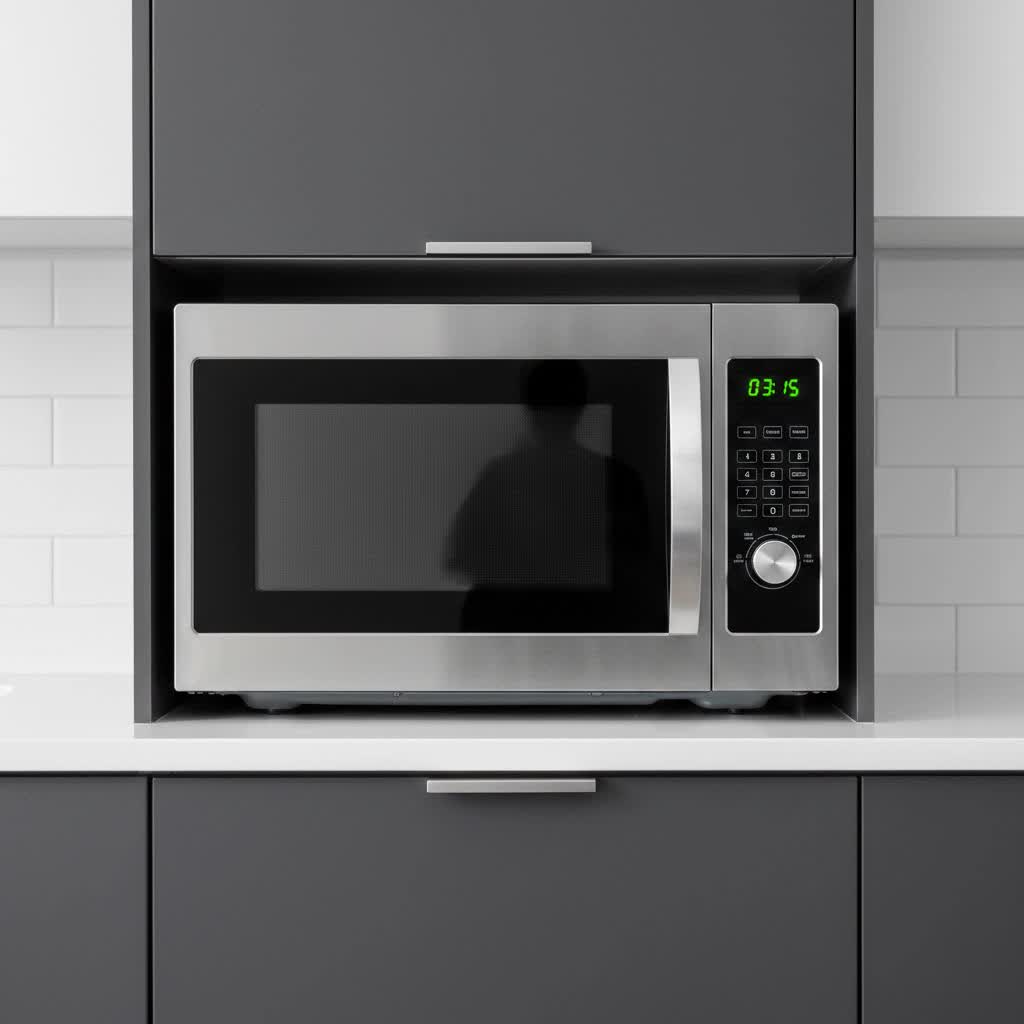
Have you ever stood in front of the microwave aisle, feeling overwhelmed by the choices? The world of microwave ovens has evolved beyond simple reheating, presenting options like solo and convection models, each promising unique benefits. Making the right decision can significantly impact your daily cooking experience, simplifying meal prep or opening up new culinary horizons. This guide is designed to help you navigate these options, ensuring you select the microwave oven that perfectly aligns with your lifestyle and cooking aspirations.
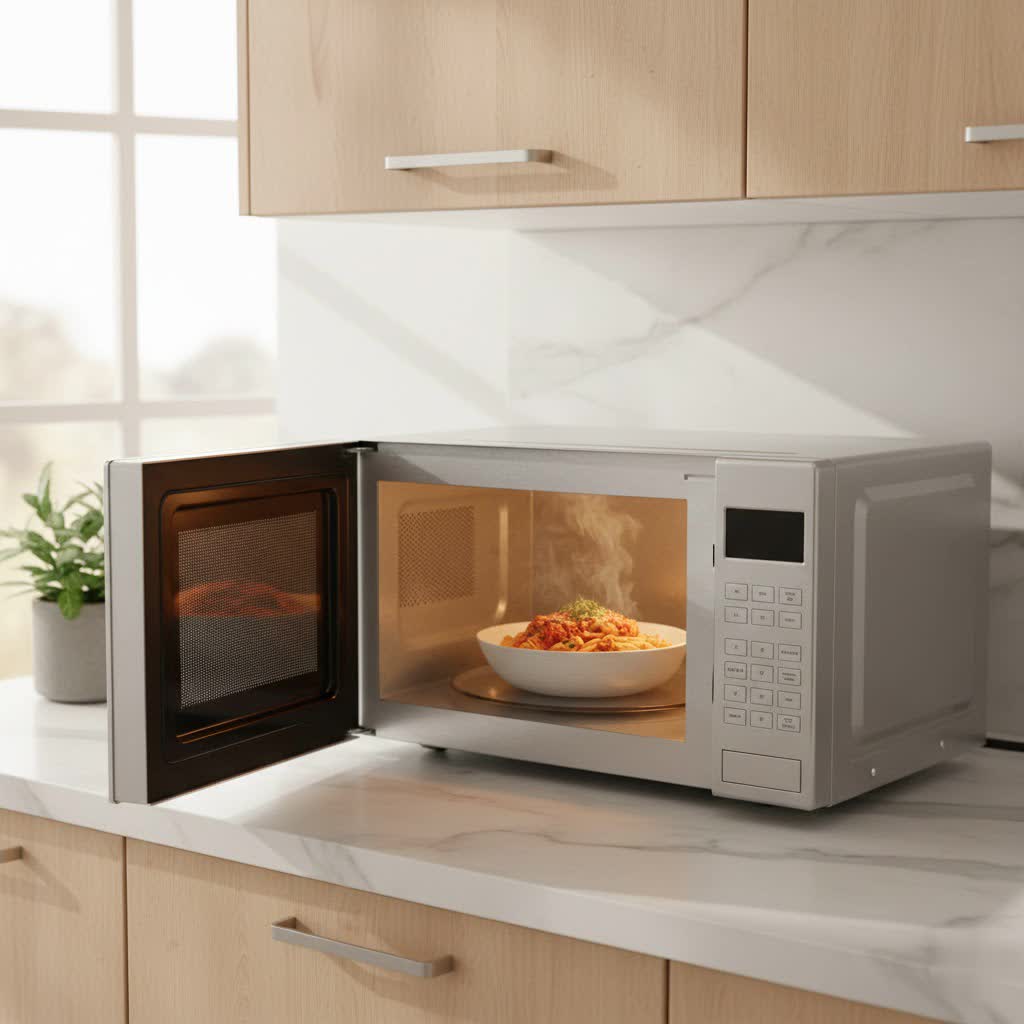
What is a Microwave Oven? Basic Operating Principle
At its core, a microwave oven uses electromagnetic waves to heat food. These microwaves penetrate food, causing water molecules to vibrate rapidly and generate heat, cooking or warming the food from the inside out. While this fundamental principle remains constant, the two primary types—solo and convection—offer distinct functionalities.
Solo Microwave Oven: The Everyday Essential
Table is empty.A solo microwave oven is the most basic and straightforward type. Its primary function is to generate microwaves for fundamental tasks such as heating, reheating leftovers, defrosting frozen items, and boiling liquids. It’s built for efficiency and speed when you need to warm food without altering its texture beyond heating.
Convection Microwave Oven: The Versatile All-Rounder
A convection microwave oven takes functionality a step further by combining traditional microwave heating with a convection cooking system. In addition to emitting microwaves, it features a heating element and a fan that circulates hot air throughout the cavity. This circulated hot air functions much like a conventional oven, allowing you to bake, roast, grill, and crisp foods. This hybrid approach means you can achieve browning and even cooking that a solo microwave simply cannot.
Popular Types of Microwave Ovens in the Market
Understanding the distinct advantages and disadvantages of each type is crucial for an informed purchase.
Solo Microwave Oven
The solo microwave is a workhorse for basic kitchen tasks, prized for its simplicity and direct functionality.
- Pros:
- Cost-Effective: Generally more affordable, making it a budget-friendly option.
- Compact Design: Smaller footprint, ideal for limited kitchen space.
- Energy-Efficient: Consumes less electricity for basic heating tasks.
- User-Friendly: Simple controls, easy to operate for quick tasks.
- Cons:
- Limited Functionality: Cannot bake, grill, or roast.
- No Browning or Crisping: Food may come out soft or soggy, lacking a golden-brown finish.
- Smaller Capacity: Often has a more restricted internal space.
- Best for: Individuals, small families, students, or anyone primarily needing an appliance for reheating, defrosting, and simple cooking tasks like boiling water or making popcorn.
Convection Microwave Oven
For those seeking more culinary versatility without dedicating space to a full-sized oven, the convection microwave shines.
- Pros:
- Multifunctional: Combines microwave, baking, grilling, and roasting capabilities in one appliance.
- Faster Cooking: Combination mode (microwave + convection) can significantly reduce cooking times.
- Space-Saving: Eliminates the need for a separate oven, ideal for compact kitchens.
- Browning and Crisping: Achieves desirable textures and finishes that solo microwaves cannot.
- Versatile Cooking: Perfect for a wide range of dishes, from cakes to roasted chicken.
- Cons:
- Higher Price: More expensive than solo models due to advanced features.
- Larger Size and Ventilation Needs: Generally larger and requires more clearance for proper airflow.
- Complexity: Can have a steeper learning curve with more settings and modes.
- Cleaning Challenges: Grease and residue can bake onto the interior, making cleaning more demanding.
- Not a Full Oven Replacement: While highly versatile, its smaller cavity might limit cooking large batches or multiple dishes simultaneously compared to a traditional oven.
- Best for: Avid home cooks, larger families, those with limited kitchen space who desire a multi-functional appliance for baking, grilling, and roasting, or individuals who frequently prepare diverse meals.
Detailed Comparison Table of Microwave Oven Types
To help you visualize the key differences, here’s a detailed comparison:
| Feature | Solo Microwave Oven | Convection Microwave Oven |
|---|---|---|
| Primary Function | Reheating, defrosting, basic cooking, boiling | Reheating, defrosting, baking, grilling, roasting, crisping |
| Cooking Method | Microwaves agitate water molecules | Microwaves + circulating hot air (heating element & fan) |
| Browning/Crisping | No | Yes |
| Cost | Lower | Higher |
| Size | Compact, smaller | Generally larger, requires more ventilation |
| Energy Consumption | Lower (for basic microwave functions) | Higher (when convection mode is active), but efficient vs. full oven |
| Versatility | Limited | High |
| Ideal User | Students, small families, basic needs, budget-conscious | Enthusiastic cooks, small kitchens, baking/grilling needs, larger families |
Guide to Choosing the Right Microwave Oven
Selecting the perfect microwave isn’t just about features; it’s about how it fits into your life. Here’s how to make an informed choice:
- Identify Your Usage Needs:
- If your kitchen routine primarily involves warming up leftovers, defrosting ingredients, or cooking simple ready-made meals, a solo microwave is your ideal, economical choice.
- If you dream of baking cookies, roasting vegetables, grilling sandwiches, or achieving that perfect crispy crust, a convection microwave will unlock these possibilities.
- Consider Capacity:
- Under 20 liters: Sufficient for individuals or small households with minimal cooking needs. Solo models often fall into this category.
- 20-30 liters: A good balance for medium-sized families (3-4 people), offering enough space for most daily cooking.
- Over 30 liters: Best for large families or those who frequently entertain, accommodating larger dishes. Convection models typically offer these larger capacities.
- Power Consumption: While solo microwaves are generally more energy-efficient for basic tasks, convection microwaves, despite using more power in convection mode, can still be more energy-efficient than a full-sized oven for smaller baking or roasting jobs. Consider your overall cooking habits.
- Essential Features:
- Look for common features like auto-defrost, a timer, and a child lock, which enhance convenience and safety on both types.
- For convection models, features like combination cooking modes (microwave + convection), preheating functions, and various auto-cook menus can greatly expand your culinary repertoire.
- Reputable Brands: Focus on brands known for quality, durability, and reliable after-sales service. Check warranty periods for peace of mind.
- Price Comparison: Evaluate the cost against the features and versatility you truly need. A solo microwave offers significant savings upfront, while a convection model is an investment in expanded cooking capabilities.
Top Favored Microwave Oven Models
While specific model recommendations depend on individual market availability and evolving features, discerning what makes a microwave oven stand out can guide your decision. For solo microwaves, top models are celebrated for their ease of use, efficient and even reheating, robust defrosting capabilities, and compact, durable designs that fit seamlessly into any kitchen. These appliances prioritize straightforward functionality, delivering consistent performance for everyday tasks.
Conversely, highly-rated convection microwaves excel in versatility. They are praised for their effective combination cooking modes, which dramatically cut down cooking times, and their ability to achieve superior baking and grilling results with even heat distribution. Users often appreciate models with intuitive controls, ample capacity for family meals, and interiors designed for easier cleaning, despite the inherent challenges of baking and roasting. Features such as inverter technology, which ensures consistent power delivery, and specialized menus for popular dishes further enhance the appeal of these multi-functional kitchen powerhouses.
Safe and Effective Microwave Oven Usage Guide
Maximizing your microwave’s lifespan and ensuring safe operation involves more than just pressing a button.
- Important Usage Tips:
- Always use microwave-safe containers. Glass, ceramic, and oven-safe bakeware are suitable. Never use metal in a solo microwave. For convection or combination modes, metal trays designed for oven use are acceptable.
- Avoid overfilling the microwave; leaving ample space allows for even cooking and proper airflow.
- Covering your food helps retain moisture, ensures more even heating, and prevents splatters, keeping your appliance cleaner.
- Ensure proper ventilation around your microwave, especially for convection models which generate more heat, to prevent overheating.
- Cleaning and Maintenance:
- Regular cleaning is paramount. Wipe down the interior after each use, particularly in convection microwaves where grease can bake on, becoming difficult to remove.
- Address spills immediately with a damp cloth and mild detergent.
- Inspect for food debris in any internal holes or crevices, as these can trap residue and affect performance.
- Common Issues and Troubleshooting:
- Uneven Heating: Stir food midway through cooking or arrange it in a ring pattern.
- Soggy Food: If using a solo microwave, this is often a limitation. For convection models, utilize the convection or combination mode for crispier results.
- Microwave Not Heating: First, check if the door is fully closed and sealed. Ensure the power level is set correctly. If issues persist, consult the user manual or a professional.
“Choosing the right microwave hinges on understanding your daily cooking rhythm. A solo model excels at speed and simplicity for basic tasks, while a convection unit unlocks a world of culinary possibilities, from crispy roasts to perfectly baked goods.”
Conclusion
The decision between a convection and solo microwave oven ultimately comes down to your individual cooking habits, kitchen space, and budget. A solo microwave is an unbeatable champion for speed, simplicity, and affordability, perfect for those who primarily reheat, defrost, and perform basic cooking. On the other hand, a convection microwave offers unparalleled versatility, transforming a simple appliance into a compact powerhouse capable of baking, roasting, and grilling, making it ideal for aspiring chefs or those with limited space but extensive culinary ambitions. By carefully evaluating your needs against the distinct advantages of each, you can confidently choose the microwave that will serve as a truly indispensable tool in your kitchen. What culinary adventure will your new microwave inspire?
Frequently Asked Questions
What is the main difference between a solo and convection microwave?
The main difference lies in their cooking capabilities. A solo microwave primarily heats and defrosts using microwaves, while a convection microwave also includes a heating element and a fan to circulate hot air, allowing it to bake, roast, and grill like a conventional oven.
Can I bake a cake in a solo microwave?
No, you cannot bake a cake in a solo microwave. Baking requires circulating dry heat to cook the batter evenly and create a crust, a functionality only available in convection microwaves due to their heating element and fan.
Are convection microwaves more energy-efficient than solo microwaves?
For basic reheating tasks, solo microwaves are generally more energy-efficient. However, when performing baking or roasting functions, a convection microwave can be more energy-efficient than a full-sized conventional oven, as it heats a smaller cavity.
What utensils can I use in a convection microwave?
In convection or combination modes, you can use metal or oven-safe glass bakeware, similar to a traditional oven. For standard microwave mode, only use microwave-safe glass or plastic utensils. Always check your appliance’s manual for specific guidelines.
Which is better for small kitchens, a solo or convection microwave?
Both can work in small kitchens. A solo microwave is typically more compact. However, if you desire baking and roasting functions but lack space for a full oven, a convection microwave offers a space-saving, multifunctional solution, effectively combining two appliances into one.