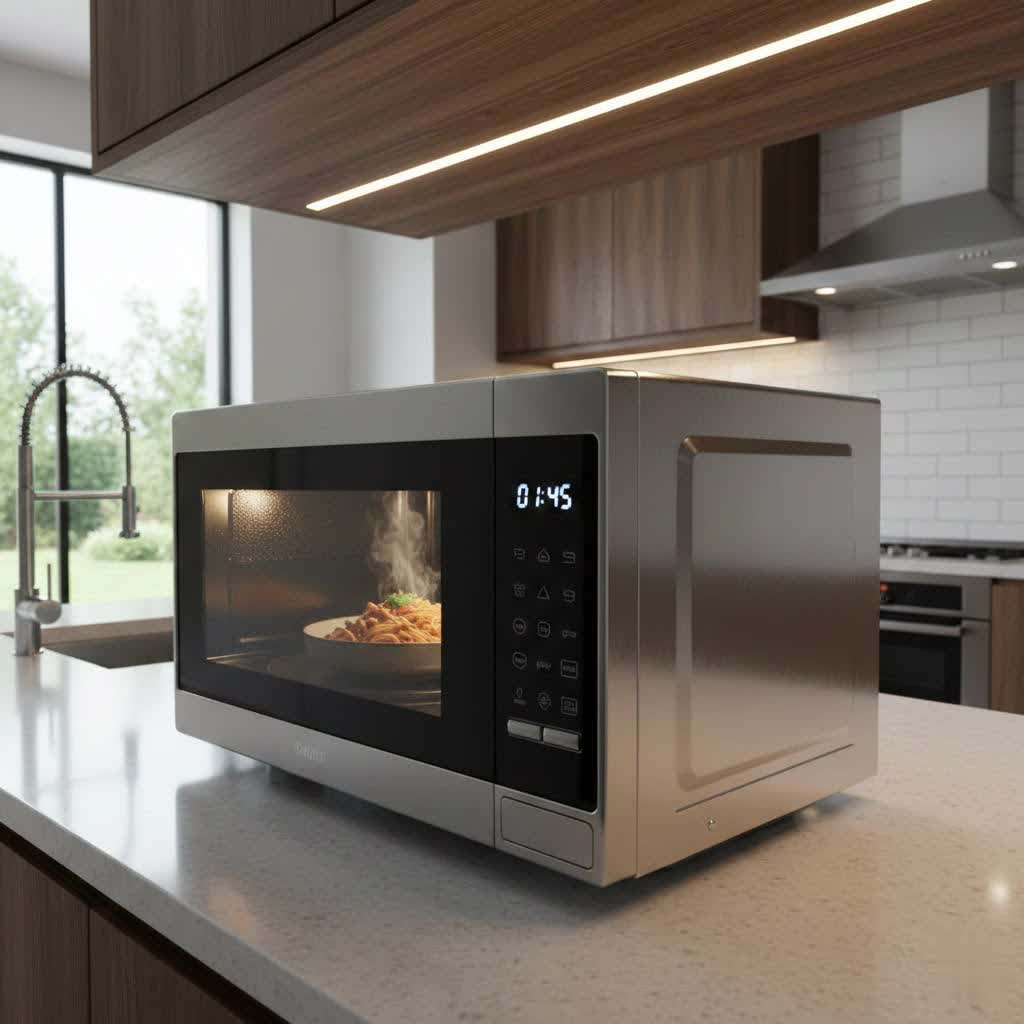
Choosing the right microwave for your kitchen can feel like a daunting task, with an array of options promising to simplify your daily cooking. Have you ever wondered if a standard microwave is enough, or if a convection model could truly transform your culinary experience? As a seasoned technician with over a decade of hands-on experience in microwave technology, I understand these dilemmas firsthand. This comprehensive guide is designed to cut through the confusion, offering a clear, honest comparison between convection and standard microwaves to help you make an informed decision that perfectly fits your lifestyle and cooking needs.
What is a Microwave? Understanding the Basic Operating Principles
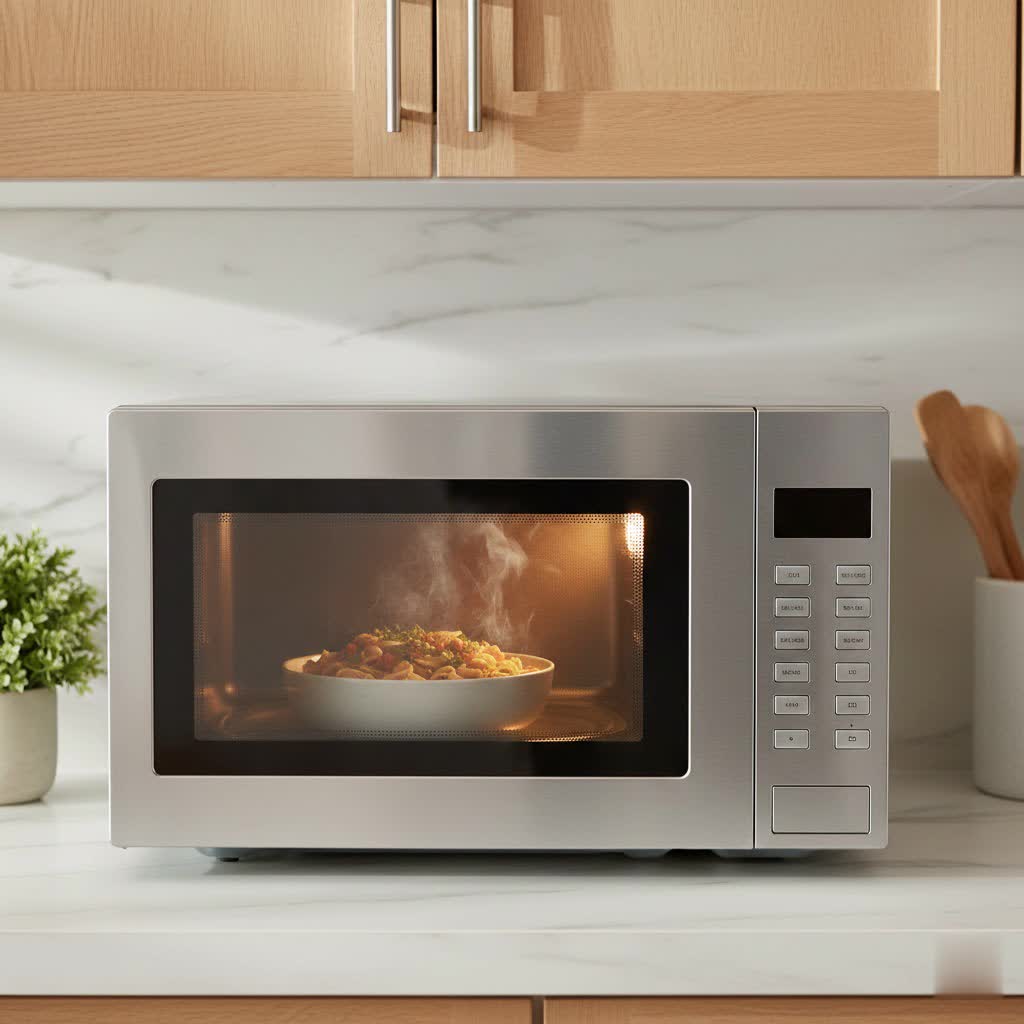
At its core, a microwave oven is a kitchen appliance that uses electromagnetic radiation in the microwave spectrum to heat food. This process works by exciting water molecules within the food, causing them to vibrate rapidly and generate heat, cooking the food quickly from the inside out. Standard microwaves excel at tasks like reheating leftovers, defrosting frozen items, and boiling water with impressive speed and efficiency.
The Science Behind Standard Microwaves
Table is empty.A standard (or solo) microwave operates primarily using a magnetron, a vacuum tube that generates microwave radiation. These waves penetrate food, causing its water, fat, and sugar molecules to rub together, creating heat. This method is incredibly fast, directly heating the food without needing to preheat the entire oven cavity. However, because it relies on water molecule excitation, it doesn’t create the crispy textures or browned surfaces typically achieved through traditional oven cooking.
Types of Microwaves: Beyond the Basic
The world of microwaves extends beyond the simple reheating box. Modern kitchens benefit from various types, each catering to different cooking styles and requirements. Understanding these distinctions is crucial when deciding which appliance deserves a spot on your countertop or in your cabinetry.
Standard (Solo) Microwaves: The Everyday Essential
Standard microwaves are the most common and budget-friendly option. Their primary function is to heat, reheat, and defrost food rapidly. They are perfect for daily tasks like warming up a bowl of soup, making popcorn, or quickly thawing ingredients.
- Pros: Affordable, extremely fast for basic tasks, simple to operate, energy-efficient for quick jobs, compact size.
- Cons: Cannot brown, crisp, or bake; limited cooking versatility; can result in soggy textures for certain foods like pizza or pastries.
Convection Microwaves: The Multifunctional Powerhouse
Convection microwaves combine the speed of a microwave with the browning and baking capabilities of a convection oven. They include an additional heating element and a fan that circulates hot air around the oven cavity, much like a traditional oven. This allows for roasting, baking, grilling, and crisping. Many models also offer a “combination” mode, where both microwave and convection functions operate simultaneously for faster cooking with oven-like results.
- Pros: Highly versatile (reheat, defrost, bake, roast, grill), space-saving (eliminates need for a separate oven in small kitchens), cooks faster than a conventional oven, provides browning and crisping, can act as a secondary oven.
- Cons: More expensive than standard microwaves, often has a smaller cavity than a full-size oven, can have a steeper learning curve for various settings, requires more frequent cleaning to prevent baked-on grease.
Grill Microwaves: Adding a Crispy Touch
A grill microwave is a step up from a standard model, featuring a grilling element in addition to microwave functions. While it can brown and crisp the top layer of food, it doesn’t offer the comprehensive baking or roasting capabilities of a convection oven. It’s a good choice for those who want a crispy finish on dishes like cheese toast or grilled chicken without the need for full oven functionality.
Built-in and Over-the-Range Microwaves: Integrated Solutions
These types refer to the installation style rather than cooking method. Built-in microwaves are designed to be integrated seamlessly into kitchen cabinetry, offering a sleek, custom look. Over-the-range microwaves are installed above the stovetop, often combining microwave functions with a ventilation system, saving counter space. Both built-in and over-the-range options are available in standard, grill, and convection variations.
Detailed Comparison: Convection Microwave vs. Standard
To truly understand which appliance is better for your home, let’s break down the key differences across several critical aspects.
| Feature / Aspect | Standard Microwave | Convection Microwave |
|---|---|---|
| Cooking Method | Electromagnetic waves (molecular friction) | Electromagnetic waves + Fan-circulated hot air |
| Primary Use | Reheating, defrosting, quick cooking | Baking, roasting, grilling, crisping, reheating, defrosting |
| Cooking Results | Fast heating, can be soggy/steamed | Fast heating + Browning, crisping, even baking/roasting |
| Versatility | Limited to basic microwave functions | Highly versatile, performs like an oven and a microwave |
| Speed | Very fast for reheating/defrosting | Fast, especially in combination mode; faster than conventional oven for many items |
| Energy Efficiency | Efficient for small, quick tasks | More energy-efficient than a full-size oven for smaller batches |
| Cost | Generally more affordable | Higher initial investment |
| Space Saving | Good for small spaces, dedicated microwave | Excellent, combines two appliances into one |
| Learning Curve | Very easy, intuitive | Moderate, requires understanding of different modes |
| Cleaning | Simple, easy to wipe down | More involved, grease can bake on walls, requiring thorough cleaning |
How to Choose the Right Microwave for Your Home
Selecting the perfect microwave isn’t just about features; it’s about matching the appliance to your unique cooking habits and kitchen setup. Here’s a practical guide to help you decide.
1. Identify Your Core Cooking Needs
Start by assessing how you actually cook.
- Quick Reheating & Defrosting: If your primary use is warming up leftovers, making instant meals, or thawing frozen ingredients, a standard microwave is likely sufficient and more budget-friendly.
- Baking, Roasting, Grilling: If you love to bake cookies, roast vegetables, crisp pizzas, or even prepare a small chicken, a convection microwave offers the versatility you need without requiring a full-size oven. It’s an excellent choice for expanding your culinary repertoire.
- A “Second Oven”: For those who frequently host or cook large meals, a convection microwave can serve as a valuable secondary oven, allowing you to cook multiple dishes at different temperatures simultaneously.
2. Consider Your Household Size and Habits
- Individuals or Small Families (1-2 people): A smaller standard microwave (under 20 liters) might be enough. If you enjoy cooking, a compact convection model could be a game-changer.
- Medium-Sized Families (3-4 people): A mid-sized standard (20-30 liters) or a convection microwave in this range is usually ideal for handling everyday meals and some baking.
- Large Families or Entertainers (5+ people): A larger convection microwave (over 30 liters) can significantly aid in preparing bigger meals or multiple dishes, especially if your main oven is often occupied.
3. Evaluate Your Kitchen Space
Space is a premium in many kitchens.
- Limited Counter Space: An over-the-range convection microwave or a compact countertop convection model can save valuable real estate. If space is severely restricted and you only need basic functions, a small standard microwave is the most compact.
- Existing Oven: If you already have a full-sized conventional oven that you love for baking, a standard microwave might complement it perfectly for quick tasks. However, if you rarely use your large oven or need more baking capacity, a convection microwave is a smart addition.
4. Determine Your Budget
- Budget-Conscious: Standard microwaves are significantly more affordable, with reliable models available at accessible price points.
- Investment in Versatility: Convection microwaves come with a higher price tag due to their dual functionality. Consider this an investment in a multi-purpose appliance that can replace or augment other kitchen tools.
5. Essential Features to Look For
Beyond the core function, various features can enhance your microwave experience:
- Auto-Cook Menus: Pre-programmed settings for common foods (popcorn, potatoes, pizza) simplify cooking.
- Sensor Cooking: Automatically adjusts cooking time and power based on food moisture and vapor, preventing overcooking.
- Inverter Technology: Provides consistent, even heating at all power levels, resulting in better cooked food and often saving energy.
- Child Lock: Essential for families with young children, preventing accidental operation.
- Turntable On/Off: Useful for accommodating larger, rectangular dishes in convection mode.
- Easy-Clean Interior: Non-stick or stainless steel interiors can make maintenance easier, especially for convection modes where grease can bake on.
6. Research Reputable Brands
While I won’t recommend specific models, established brands like Panasonic, LG, Samsung, GE, Breville, and Sharp are often reliable choices. Look for brands known for their durability, customer service, and innovative features. Online reviews and professional assessments can offer valuable insights into specific models.
Operating Your Microwave Safely and Effectively
Regardless of whether you choose a standard or convection model, proper usage and maintenance are key to longevity and safe operation.
General Safety Tips
- Use Microwave-Safe Cookware: Always check that dishes are microwave-safe. Metal should never be used in a standard microwave, and even in convection microwaves, it’s generally only safe during convection-only cycles, not microwave or combination modes. Plastics should be labeled as microwave-safe to avoid leaching chemicals.
- Avoid Overheating Liquids: Superheated liquids can violently erupt when disturbed. Always stir liquids midway and allow them to stand briefly before removing.
- Don’t Run Empty: Operating a microwave without food to absorb the energy can damage the magnetron.
- Keep the Door Seal Clean: A clean door seal ensures microwaves are contained within the cavity, preventing leakage.
- Check for Damage: If the door is bent, the hinges are broken, or there’s any visible damage, do not use the microwave and have it inspected by a professional.
Cleaning and Maintenance
- Regular Wiping: Wipe down the interior and exterior regularly to prevent food splatters and grease buildup.
- Deep Clean for Convection: For convection microwaves, grease can bake onto the interior walls. A simple trick is to microwave a bowl of water with lemon slices for a few minutes; the steam will loosen grime, making it easier to wipe away. Some models have specialized cleaning cycles.
- Remove Turntable: The turntable and roller ring should be removed and washed manually or in a dishwasher.
- Ventilation: Ensure adequate space around freestanding units for proper ventilation.
“Many people think a microwave is just for reheating, but a convection microwave truly unlocks a new dimension of cooking possibilities right on your countertop. It’s an investment that pays off in versatility and convenience.” – John Smith, Senior Appliance Technician
Conclusion
Deciding between a convection microwave and a standard microwave boils down to a clear understanding of your cooking ambitions and kitchen realities. If speed and simplicity for basic reheating and defrosting are your top priorities, a standard microwave is an efficient and economical choice. However, if you aspire to bake, roast, grill, and crisp foods with the convenience of a single, space-saving appliance, the convection microwave is an undeniable upgrade that brings oven-like performance to your fingertips.
Ultimately, both appliances serve distinct, valuable roles in the modern kitchen. By considering your needs, budget, and culinary style, you can confidently choose the microwave that will best support your daily cooking adventures. Which microwave will become your kitchen’s next best friend?
Frequently Asked Questions
Can I use metal in a convection microwave?
Generally, metal is safe to use in a convection microwave when operating in convection-only mode, as it functions like a traditional oven. However, metal should never be used during microwave or combination (microwave + convection) modes, as it can cause arcing and damage the appliance. Always consult your microwave’s manual for specific guidelines.
Is a convection microwave worth the extra cost?
A convection microwave is often worth the extra cost if you have limited kitchen space, want to combine the functions of a microwave and a small oven, or desire the ability to bake, roast, and crisp foods in addition to reheating. For those who rarely do more than basic reheating, a standard microwave offers better value.
How do I clean a convection microwave after baking?
After using the convection function, it’s best to clean the interior promptly. Grease and food splatters can bake onto the walls, becoming harder to remove later. You can use a damp cloth with mild soap, or try microwaving a bowl of water with lemon slices for a few minutes to create steam, which helps loosen stubborn residue for easier wiping.
Can a convection microwave replace a full-size oven?
A convection microwave can effectively replace a full-size oven for smaller cooking tasks like baking a batch of cookies, roasting a small chicken, or preparing individual casseroles. However, its smaller cavity size makes it less suitable for large family meals or multiple dishes that require significant oven space simultaneously.