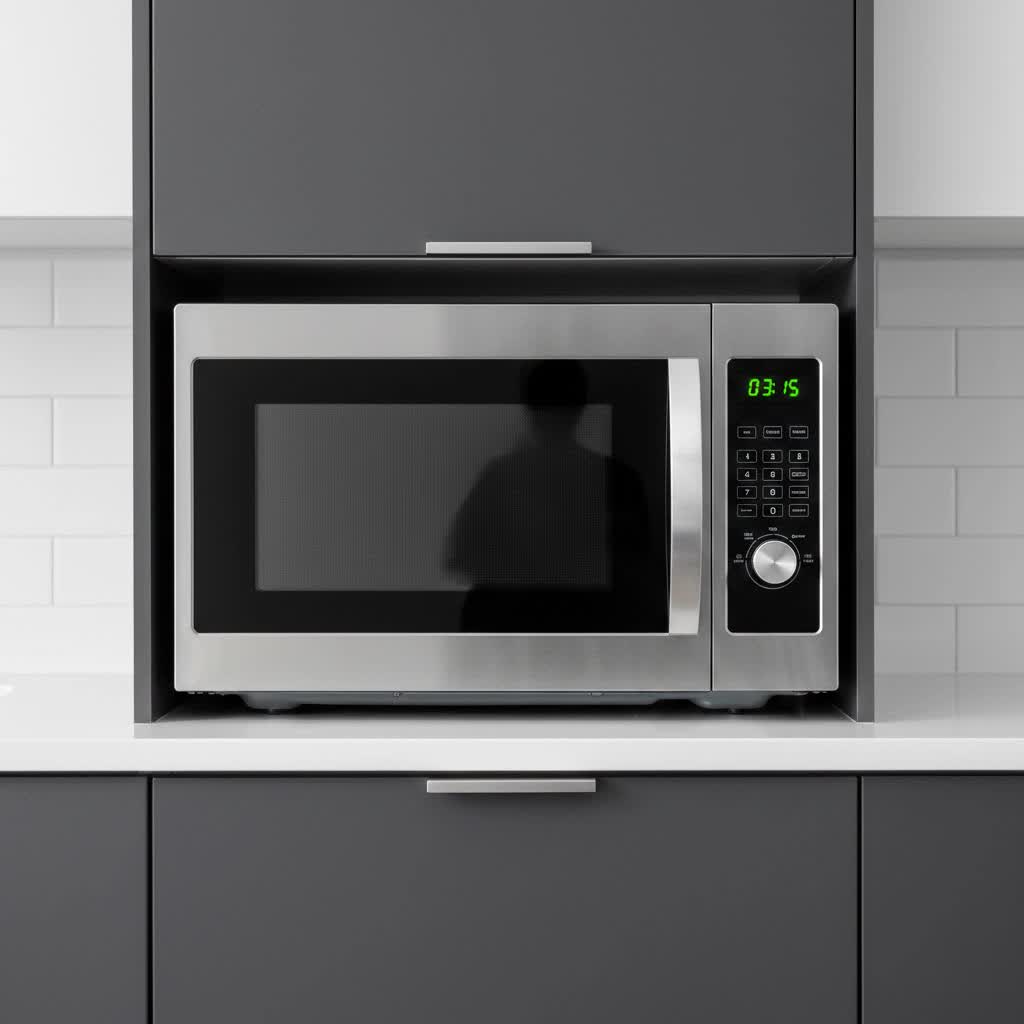
You’ve probably heard the warning countless times: “Never put metal in the microwave!” But have you ever truly understood why? That dramatic light show, those frightening sparks—they’re more than just a kitchen mishap; they’re a clear signal of danger that can lead to appliance damage or even a fire. As someone who has spent over a decade working with microwave ovens, I’m here to demystify this critical safety rule and explain the science behind why metal and microwaves simply don’t mix. Understanding this isn’t just about avoiding a dramatic display; it’s about protecting your home and your loved ones.
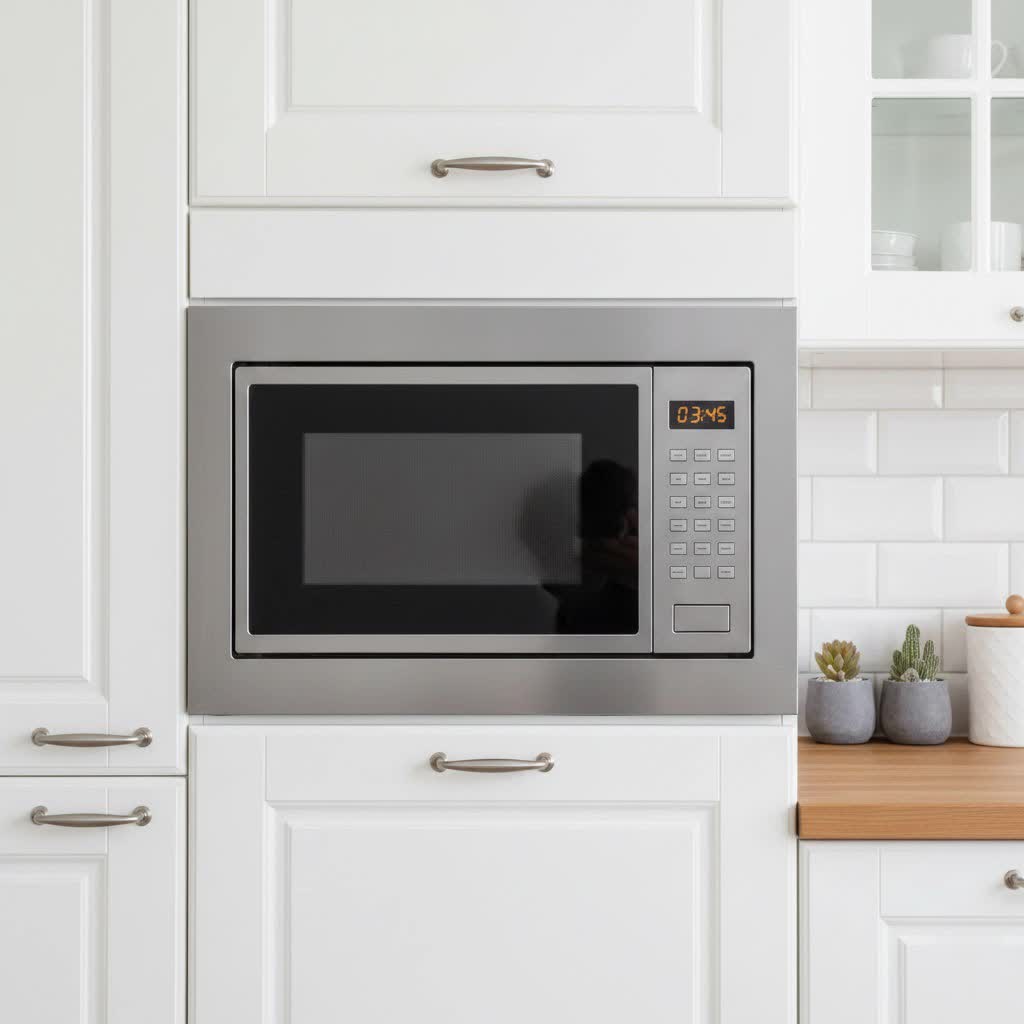
Microwaves: What They Are and How They Work
|
Our Picks for the Best Microwave in 2026
As an Amazon Associate I earn from qualifying purchases.
|
||
| Num | Product | Action |
|---|---|---|
| 1 | Chefman Countertop Microwave Oven 0.7 Cu. Ft., 700 Watts with 10 Power Levels, 6 Cooking Presets with One-Touch Express Cook, Eco Mode, Child Safety Lock, & Mute Button - Black |

|
| 2 | TOSHIBA ML-EM09PA(BS) Small Microwave Oven with 6 Auto Menus, Mute Function, LED Lighting Countertop Microwave Perfect for Kitchen, 0.9 Cu Ft, 10.6 Inch Removable Turntable, 900W Black Stainless Steel |
|
| 3 | FRIGIDAIRE EMW736BLK 0.7 Cu. Ft. Microwave, Black |
|
| 4 | TOSHIBA EM131A5C-BS Countertop Microwave Ovens 1.2 Cu Ft, 12.4" Removable Turntable Smart Humidity Sensor 12 Auto Menus Mute Function ECO Mode Easy Clean Interior Black Color 1000W |
|
| 5 | FRIGIDAIRE EMW788RETRO 0.7 cu. ft. Retro Microwave, Black-Gold |
|
| 6 | BLACK+DECKER EM720CB7 Digital Microwave Oven with Turntable Push-Button Door, Child Safety Lock, 700W, Stainless Steel, 0.7 Cu.ft |
|
| 7 | TOSHIBA EM131A5C-SS Countertop Microwave Ovens 1.2 Cu Ft with 12.4" Removable Turntable Smart Humidity Sensor, 12 Auto Menus Mute Function ECO Mode Easy Clean Interior, 1000W, Silver |
|
| 8 | COMFEE' EM720CPL-PM Countertop Microwave Oven with Sound On/Off, ECO Mode and Easy One-Touch Buttons, 0.7 Cu Ft/700W, Pearl White |
|
| 9 | COMFEE' EM720CPL-PMB Countertop Microwave Oven with Sound On/Off, ECO Mode and Easy One-Touch Buttons, 0.7cu.ft, 700W, Black |
|
| 10 | Chefman Countertop Microwave Oven 0.9 Cu. Ft., 900 Watts with 10 Power Levels, 6 Cooking Presets with One-Touch Express Cook, Eco Mode, Child Safety Lock, & Mute Button - Black |
|
To grasp why metal causes such a ruckus, let’s first touch on how a microwave oven actually heats your food. Unlike conventional ovens that heat food from the outside in, microwaves use electromagnetic waves, similar to radio waves, to generate heat directly within the food itself. These waves are produced by a component called a magnetron.
Once generated, these microwaves bounce off the metallic interior walls of the oven, creating what’s known as a Faraday cage, which traps the energy inside. When these waves penetrate food, they cause water molecules to vibrate rapidly, generating friction, and that friction is what produces heat, cooking your meal quickly and efficiently.
The Science Behind the Sparks: Why Metal and Microwaves Don’t Mix
The core reason metal and microwaves are incompatible lies in their fundamental interaction. Metals are excellent electrical conductors, meaning they contain a sea of “free” electrons that can move around easily. When microwaves hit these free electrons, they cause them to oscillate and gather rapidly on the metal’s surface.
This buildup of electrons, particularly intense at sharp edges, points, or crumpled sections (like a fork’s tines or crinkled aluminum foil), creates a high electrical potential. When this electrical potential becomes too strong, it can ionize the surrounding air, creating an electrical discharge that we see as sparks or “arcing.” Think of it like a tiny lightning bolt inside your microwave. The material of the metal itself isn’t the primary problem; it’s its shape and how it concentrates the microwave energy.
Furthermore, metal objects act like a mirror, reflecting microwaves away rather than allowing them to be absorbed by food. This reflection prevents your food from heating evenly and can cause the unabsorbed microwave energy to bounce back towards the magnetron, potentially damaging this vital and expensive component of your microwave oven.
What Happens When You Put Metal in a Microwave? The Dangers Explained
The consequences of introducing metal into your microwave oven range from frustrating to genuinely hazardous.
- Sparks and Arcing: This is the most immediate and visible sign of trouble. The bright, blue-white flashes are electrons literally jumping through the air, trying to find a path to dissipate the concentrated energy. While startling, these sparks are a critical warning sign that something is wrong.
- Fire Hazard: The intense heat generated by arcing can quickly ignite any flammable materials inside your microwave, such as paper, plastic containers, or even food residue. This can rapidly escalate into a full-blown kitchen fire, putting your home and safety at risk.
- Damage to the Microwave Oven: Repeated arcing or prolonged exposure to metal can cause significant, irreversible damage to your appliance. The high electrical discharge can burn holes in the microwave’s interior walls, ruin the waveguide cover (the mica sheet), or, most seriously, destroy the magnetron, rendering your microwave useless. Repairing these components can often be as costly as replacing the entire unit.
- Ineffective or Uneven Heating: Even without dramatic sparks, metal reflects microwaves, preventing them from reaching your food. This means your meal won’t heat up properly or will cook unevenly, leaving some parts cold while others might be scorching hot.
Common Culprits: Unexpected Metal Objects
You might think you’re vigilant about avoiding metal, but many everyday items can surprisingly contain hidden metallic elements.
- Aluminum Foil: This is the classic microwave no-no. Whether it’s a small piece covering leftovers or a crumpled ball, foil’s thin, malleable nature and sharp edges make it a prime candidate for arcing.
- Metal Utensils: Forks, spoons, and knives, especially those with pointed tines or sharp edges, are highly prone to sparking. Even leaving a single spoon in a bowl can create an issue.
- Dishes with Metallic Rims or Decals: Many elegant plates, bowls, and coffee mugs feature decorative gold or silver trim. These metallic accents, however small, can cause arcing and should never enter the microwave.
- Twist Ties: Often found on bread bags or produce, these small ties usually have a thin wire core that can easily spark.
- Takeout Containers: Some Chinese takeout boxes or other disposable food containers may have hidden metal staples or a thin metallic lining. Always transfer food from these to a microwave-safe dish.
- Travel Mugs: Many insulated travel mugs contain metal layers designed to keep beverages hot or cold. These are generally not microwave-safe and can cause serious problems.
Beyond the Sparks: Are There Any Exceptions?
While the general rule is “no metal,” it’s true that not all metal reacts negatively in a microwave. The internal walls of your microwave are metal, after all! Some manufacturers also include metal racks or specific metal-lined packaging for certain microwaveable foods. These exceptions are critical to understand:
- Microwave Interior: The microwave’s metal interior walls are designed to be smooth, solid, and grounded, forming a Faraday cage that reflects microwaves efficiently and safely. They lack the sharp edges or isolated pieces that cause arcing.
- Specially Designed Metalware: Very specific metal items, like some microwave-safe racks or certain aluminum trays designed for particular dishes (e.g., some frozen meals), are engineered to be used safely. These items typically have smooth, rounded edges and are intended to interact with the microwaves in a controlled manner, often to crisp food.
- The Key Takeaway: Unless a metal item is explicitly labeled by the manufacturer as “microwave-safe,” or came with your microwave oven for specific functions, it’s always best to err on the side of caution and keep it out.
Safety First: How to Prevent Metal-Related Microwave Incidents
Prevention is always better than damage control. Here’s how you can minimize the risk of a metal-in-microwave incident:
- Always Check Labels: Before placing any container in the microwave, look for a “microwave-safe” symbol, usually a small icon depicting wavy lines, or a microwave within a square. If you don’t see it, assume it’s not safe.
- Use Appropriate Containers: Stick to glass, ceramic, and plastics that are clearly labeled “microwave-safe.” These materials allow microwaves to pass through them and heat your food effectively.
- Inspect Food Packaging: Before heating, carefully check all food items for hidden metal, such as twist ties, foil wraps, or metallic embellishments on packaging.
- Educate Everyone: Make sure all members of your household, especially children, understand the dangers of microwaving metal.
- Keep it Clean: Food splatters and debris can accumulate inside the microwave, and these residues can sometimes absorb microwave energy unevenly, leading to hot spots and even sparking, compounding the risk. Regularly clean your microwave interior.
What to Do If It Happens: Emergency Steps
Accidents can happen. If you accidentally put metal in the microwave and see sparks or hear popping sounds, act quickly and calmly:
- Stop Immediately: Turn off the microwave oven right away by pressing the “Stop” or “Cancel” button.
- Unplug the Appliance: For absolute safety, unplug the microwave from the wall outlet. This ensures no residual power can cause further issues.
- Do Not Open Immediately: Wait a moment for any sparking to cease and for the situation to calm down before opening the door.
- Inspect for Damage: Once safe, carefully check the microwave’s interior for any burn marks, charred areas, or holes, especially on the mica waveguide cover or the oven walls.
- Ventilate: If there was any smoke or burning smell, open windows to ventilate the kitchen.
- Assess and Act: If you find significant damage, such as burnt holes or a consistently foul odor, it’s best not to use the microwave again. Consult a qualified technician or consider replacing the appliance, as a damaged microwave can be unsafe.
Conclusion
The microwave oven is an invaluable tool in any modern kitchen, offering convenience and speed that few other appliances can match. However, its efficiency comes with a strict set of safety rules, paramount among them being the prohibition of metal. Understanding the science behind why metal sparks, the dangers it poses to your appliance and your home, and how to prevent such incidents is crucial. By being mindful of what goes into your microwave and knowing how to react if an accident occurs, you ensure not only the longevity of your appliance but, more importantly, the safety of your kitchen and everyone in it.
So, the next time you reach for that leftover container, take a moment. Are there any hidden metallic dangers lurking? Your microwave—and your peace of mind—will thank you.
Frequently Asked Questions
Can a small piece of aluminum foil really cause a problem in the microwave?
Yes, even a tiny piece of crumpled aluminum foil can cause significant problems. The sharp, thin edges of crumpled foil concentrate microwave energy, leading to intense arcing and sparks. It’s always best to remove all foil, no matter how small, before microwaving.
Why is stainless steel generally considered unsafe for microwave ovens?
Stainless steel, like other metals, reflects microwaves. While large, smooth, and specifically designed stainless steel items can sometimes be microwave-safe, general stainless steel containers and utensils can cause microwaves to reflect erratically, leading to uneven heating, arcing, and potential damage to the microwave’s internal components.
My microwave has metal walls and racks; why are those safe but other metal isn’t?
The metal walls and certain racks in your microwave are specifically designed to be safe. The walls form a grounded “Faraday cage” that reflects microwaves to ensure even cooking and prevent them from escaping. Designed metal racks or trays are smooth, rounded, and positioned carefully to prevent charge buildup and arcing. Loose, sharp, or thin metal objects, however, disrupt this controlled environment.
What should I do if I accidentally put metal in the microwave for a second?
If you notice metal in the microwave and sparks begin, immediately stop the microwave by pressing “Cancel/Stop” and then unplug the unit. Do not open the door until any sparking has completely ceased. Inspect the interior for damage. If there are burn marks or holes, cease use and consider professional inspection or replacement.