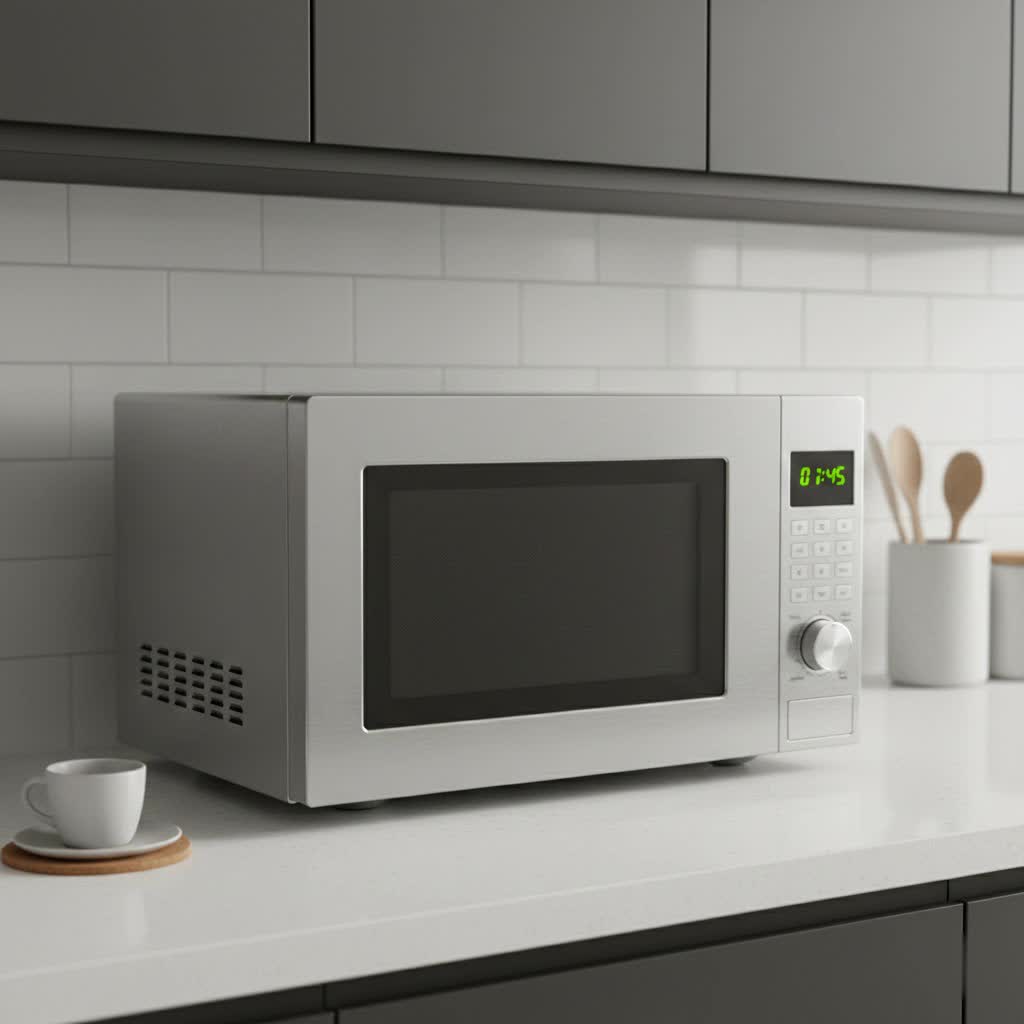
Imagine this: it’s late, everyone’s asleep, and a craving for a warm snack strikes. You tiptoe to the kitchen, prepare your treat, and then—BEEP, BEEP, BEEP! The microwave shatters the silence, announcing your midnight indulgence to the entire household. Sound familiar? Many of us have experienced this exact scenario, highlighting the often-overlooked need for quiet kitchen appliances. A loud microwave can be a significant annoyance, not just late at night, but also during naps, remote work, or quiet family time.
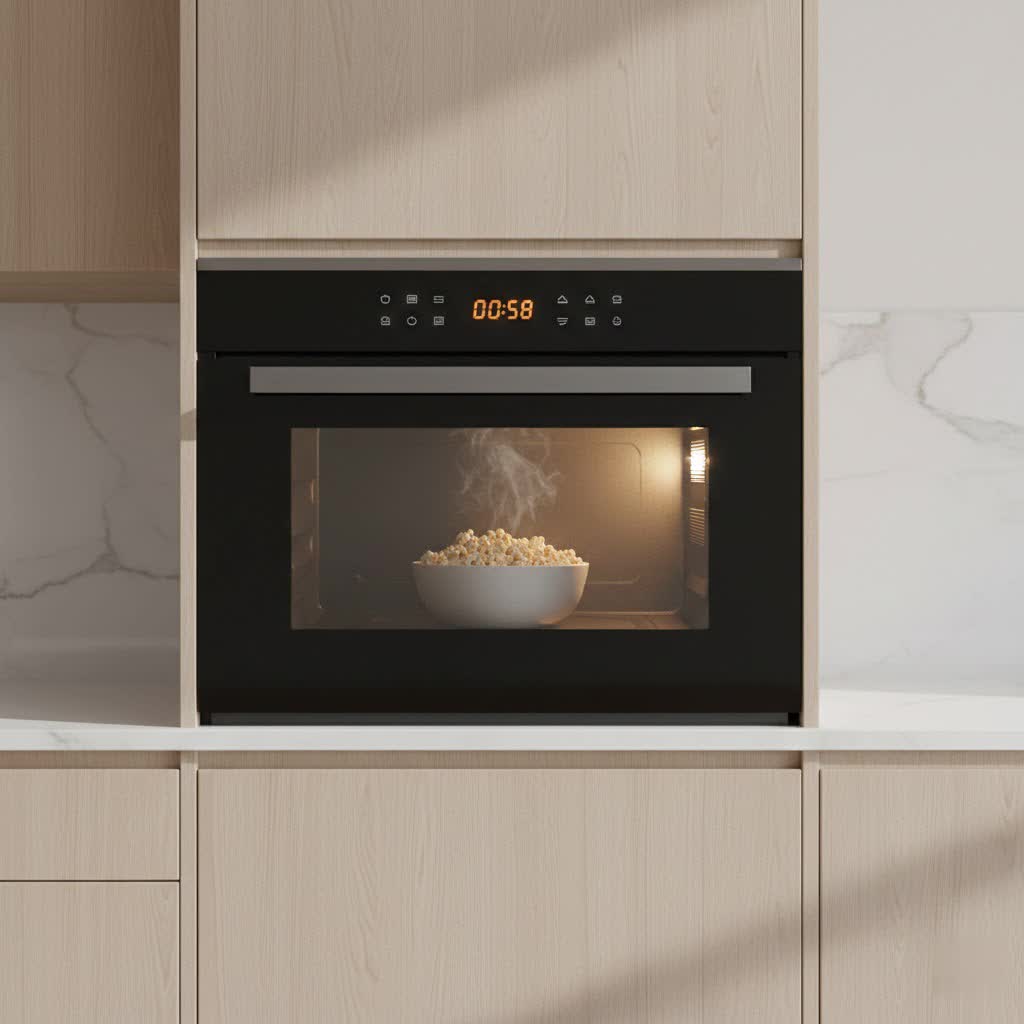
This comprehensive guide is dedicated to helping you find the perfect microwave with a silent mode, transforming your kitchen into a haven of tranquility, especially when hunger calls after hours. We’ll delve into the mechanics of microwave noise, explore essential features that contribute to quiet operation, and highlight top models designed to let you enjoy your snacks without a sound.
Understanding Microwave Noise: The Unseen Disruptors
Microwaves, while incredibly convenient, aren’t always known for their subtle operation. The sounds they produce typically stem from three primary sources:
- Humming (Operational Noise): This is the sound of the magnetron and fan working to generate and distribute microwave energy. Generally, this hum ranges from 55-59 decibels (dB), which is comparable to a normal conversation.
- Beeping (Alert Tones): The most common culprits for disruption are the insistent beeps that accompany button presses and signal the end of a cooking cycle. These can reach up to 85dB, equivalent to a loud restaurant or heavy traffic, making them particularly jarring in a quiet environment.
- Door Slamming: The physical act of closing the microwave door can generate a surprisingly loud clang, sometimes peaking at 99dB. While quick, this sharp noise can be quite startling.
The good news is that manufacturers are increasingly aware of these noise concerns and are incorporating features to mitigate them, giving rise to “silent mode” or “quiet operation” microwaves.
Types of Microwaves with Enhanced Quiet Features
While the core function remains the same, different microwave designs and technologies contribute to a quieter experience:
Standard Microwaves with Mute Function
These are conventional microwave ovens that include a specific setting to disable audible alerts. You can press buttons or end a cycle without the usual beeps.
- Pros: Directly addresses the most annoying noise source (beeps). Easy to activate, often with a simple button press or combination. Generally more affordable than models with advanced noise reduction.
- Cons: Does not reduce the operational humming or the noise from a door closing. Availability may vary across brands and models; not every microwave has this feature.
- Best for: Individuals or families primarily bothered by beeping alerts who are on a budget.
|
Our Picks for the Best Microwave in 2026
As an Amazon Associate I earn from qualifying purchases.
|
||
| Num | Product | Action |
|---|---|---|
| 1 | TOSHIBA ML-EM09PA(BS) Small Microwave Oven with 6 Auto Menus, Mute Function, LED Lighting Countertop Microwave Perfect for Kitchen, 0.9 Cu Ft, 10.6 Inch Removable Turntable, 900W Black Stainless Steel |

|
| 2 | FRIGIDAIRE EMW736BLK 0.7 Cu. Ft. Microwave, Black |
|
| 3 | FRIGIDAIRE EMW788RETRO 0.7 cu. ft. Retro Microwave, Black-Gold |
|
| 4 | Chefman Countertop Microwave Oven 0.9 Cu. Ft., 900 Watts with 10 Power Levels, 6 Cooking Presets with One-Touch Express Cook, Eco Mode, Child Safety Lock, & Mute Button - Black |
|
| 5 | TOSHIBA EM131A5C-BS Countertop Microwave Ovens 1.2 Cu Ft, 12.4" Removable Turntable Smart Humidity Sensor 12 Auto Menus Mute Function ECO Mode Easy Clean Interior Black Color 1000W |
|
| 6 | COMFEE' EM720CPL-PMB Countertop Microwave Oven with Sound On/Off, ECO Mode and Easy One-Touch Buttons, 0.7cu.ft, 700W, Black |
|
| 7 | Chefman Countertop Microwave Oven 0.7 Cu. Ft., 700 Watts with 10 Power Levels, 6 Cooking Presets with One-Touch Express Cook, Eco Mode, Child Safety Lock, & Mute Button - Black |
|
| 8 | BLACK+DECKER EM720CB7 Digital Microwave Oven with Turntable Push-Button Door, Child Safety Lock, 700W, Stainless Steel, 0.7 Cu.ft |
|
| 9 | TOSHIBA EM131A5C-SS Countertop Microwave Ovens 1.2 Cu Ft with 12.4" Removable Turntable Smart Humidity Sensor, 12 Auto Menus Mute Function ECO Mode Easy Clean Interior, 1000W, Silver |
|
| 10 | COMFEE' EM720CPL-PM Countertop Microwave Oven with Sound On/Off, ECO Mode and Easy One-Touch Buttons, 0.7 Cu Ft/700W, Pearl White |
|
Microwaves with Inverter Technology
Inverter technology provides a consistent, continuous stream of power, unlike traditional microwaves that cycle between full power and off. This smoother power delivery can lead to a less noticeable operational hum and more even cooking.
- Pros: Contributes to a generally quieter operational hum compared to non-inverter models. Offers more precise cooking control and better results, preventing overcooked edges and cold centers.
- Cons: May not include a dedicated “mute” function for beeps, so you might still need to check for that feature separately. Typically more expensive than basic models.
- Best for: Those seeking a quieter operational hum and superior cooking performance, willing to invest a bit more.
Microwaves with Soft-Close Doors
These models are designed with a dampening mechanism that allows the door to close gently and silently, eliminating the jarring “bang” often associated with microwave doors.
- Pros: Effectively eliminates one of the loudest and most startling microwave noises—the door slam. Enhances user experience with a premium feel.
- Cons: This feature is often found on higher-end models, increasing the overall cost. Does not affect beeping or operational hum.
- Best for: Households where a sudden door slam is a major concern, particularly when trying not to wake sleeping family members.
Smart Microwaves with Customizable Quiet Settings
The latest innovations often come with smart features, allowing control via smartphone apps. Some smart microwaves offer a “quiet mode” that can lower fan speed, reduce magnetron noise, and disable alerts.
- Pros: Offers the most comprehensive noise reduction, addressing all three major noise sources (beeping, hum, and door if paired with soft-close). Advanced control and customization through a mobile app. Integration with smart home systems for added convenience.
- Cons: Significantly more expensive than other types. Requires internet connectivity for full functionality.
- Best for: Tech-savvy users who want the ultimate quiet experience and are looking for smart home integration.
Detailed Comparison of Quiet Microwave Features
Here’s a comparison to help you weigh the options:
| Feature/Type | Primary Noise Addressed | Noise Reduction Level | Typical Price Range | Key Benefit |
|---|---|---|---|---|
| Mute Function | Beeps/Alerts | High (for alerts) | Low to Mid | Eliminates annoying beeps instantly. |
| Inverter Technology | Operational Hum | Moderate | Mid to High | Smoother, quieter cooking operation. |
| Soft-Close Door | Door Slam | High (for door) | Mid to High | Prevents startling door noises. |
| Smart Quiet Mode | All (Beeps, Hum, Fan) | Very High | High | Customizable, comprehensive noise control. |
For late-night snacks, a model with a mute function is crucial to avoid alerting others. Pairing this with a soft-close door offers an even more discreet experience, minimizing both the sound of operation and the sudden clang.
How to Choose the Right Quiet Microwave for Your Home
Selecting the ideal microwave requires a thoughtful assessment of your specific needs and priorities. Here’s a guide to help you make an informed decision:
1. Determine Your Usage Needs
What will you primarily use your microwave for?
- Reheating and defrosting only: A basic model with a reliable mute function and moderate power might suffice.
- Light cooking (vegetables, popcorn): Look for consistent power delivery, often found in inverter models, which also tend to operate more quietly.
- Grilling/Browning: If you need these functions, ensure the “silent” features extend to combination models, as grilling elements might introduce additional noise.
- Frequency of use: For frequent late-night use, prioritizing comprehensive noise reduction (mute + soft-close + low operational hum) is key.
2. Choose the Right Capacity
Consider the number of people in your household and typical portion sizes.
- Small (under 20 liters): Ideal for individuals or couples who only heat small dishes or beverages. These compact units can often be tucked away discreetly.
- Medium (20-30 liters): Suitable for average-sized families, accommodating dinner plates and most standard microwave-safe cookware.
- Large (over 30 liters): Best for larger families or those who frequently cook for groups, fitting bigger dishes or multiple items. While larger, some high-end models offer excellent noise control.
3. Select Appropriate Power (Wattage)
Microwave wattage directly impacts cooking speed and efficiency.
- Lower power (under 800W): More energy-efficient but slower cooking times. Often found in smaller, more basic models.
- Higher power (800W+): Faster cooking and reheating. For silent operation, look for higher wattage models with inverter technology, as they manage power output more smoothly.
4. Prioritize Essential Quiet Features
When silence is your goal, look for these:
- Mute Button/Silent Mode: Absolutely critical for silencing beeps and alerts. This is the cornerstone of a “silent” microwave for late-night use.
- Soft-Close Door: A highly desirable feature to eliminate loud door slams, preventing startled pets or sleeping family members.
- Inverter Technology: While not a “mute” button, it offers a smoother, less disruptive operational hum compared to traditional fluctuating power.
- Volume Control: Some models allow you to adjust the volume of alerts rather than outright muting them, offering a customizable approach to quietness.
5. Consider Reputable Brands
While noise levels can vary even within a brand, certain manufacturers are recognized for quality and innovative features. Look for brands known for their inverter technology or premium appliance lines, which often incorporate noise reduction. Always check user reviews specifically mentioning noise levels.
6. Compare Prices
Quiet features, especially soft-close doors and smart technology, can add to the cost.
- Budget-friendly: Focus on models with a simple mute function.
- Mid-range: Consider inverter technology for quieter operation and better cooking.
- Premium: Explore models with soft-close doors and smart quiet modes for the ultimate silent experience.
By carefully evaluating these factors, you can narrow down your choices and select a microwave that perfectly blends convenience with the desired level of tranquility.
Top Microwaves Known for Quiet Operation
Finding the absolute quietest microwave can be a personal quest, as perceived noise levels vary. However, based on user feedback and manufacturer specifications for silent features, certain models consistently rise to the top:
- Breville Combi Wave 3-in-1: This versatile appliance is frequently praised for its Soft Close™ Door and the option to mute beeping alerts. It combines microwave, convection oven, and air fryer functions, offering a quiet solution for multiple cooking needs. Its inverter technology also contributes to a less intrusive operational hum. Many users specifically highlight its “silent” nature as a primary selling point for late-night snacks.
- Toshiba EM131A5C-BS Microwave Oven: Often cited as a top pick for quiet operation, this Toshiba model includes a mute function for its beeps, a common pain point for users. While it doesn’t boast a soft-close door, its overall operational noise is noted by users as being less disruptive than many competitors, making it a solid, budget-friendly choice for a quieter kitchen.
- Panasonic Inverter Microwaves (Various Models): Panasonic’s widespread use of Inverter technology across its range means many of its microwaves offer a consistently quieter hum during operation. While not all models feature a dedicated mute button for beeps, the smoother power delivery results in a less “noisy” cooking experience overall. Look for models that specifically mention a mute function in their specifications for a truly silent experience.
- Comfee EM720CPL-PMB Countertop Microwave: This compact and affordable option is often recommended for those seeking a quiet microwave on a budget. Users report its beeps can be muted, making it a discreet choice for small spaces or dorm rooms where noise is a major concern.
When considering any of these models, remember to check the latest reviews and product specifications to confirm the exact quiet features available, as these can sometimes vary by region or updated versions.
How to Use Your Microwave Safely and Quietly
Even the quietest microwave benefits from mindful usage and proper maintenance. Here’s how to maximize both safety and tranquility in your kitchen:
Key Usage Tips for a Quieter Experience
- Activate Silent Mode: Always enable the mute or silent mode feature if your microwave has one, especially when you need to be discreet. Familiarize yourself with how to turn it on and off – typically, it involves pressing and holding a specific number or cancel button.
- Gentle Door Handling: Even with a soft-close door, consciously closing it gently prevents unnecessary noise and wear. If your microwave doesn’t have a soft-close feature, a gentle push to close (rather than a forceful swing) can significantly reduce