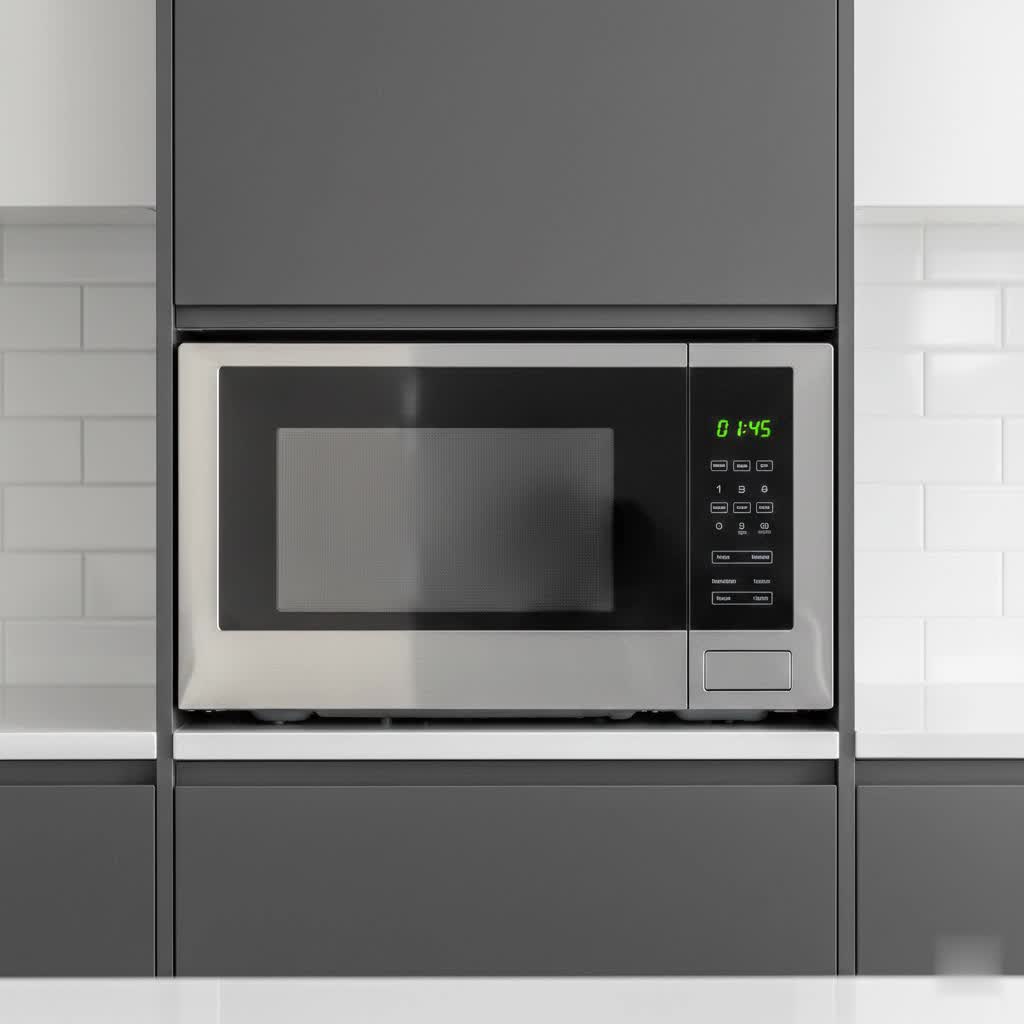
Ever found yourself juggling multiple dinner dishes, only to have one go cold while you finish another? Or perhaps family members arrive home at different times, leading to a series of frantic reheating sessions? The modern kitchen faces constant demands for convenience and flexibility, and for many, keeping dinner perfectly warm until everyone is ready to eat is a daily challenge. Fortunately, innovative microwave ovens now offer “Keep Warm” features designed to solve this exact problem, ensuring your meals stay at an ideal serving temperature without drying out or overcooking. This comprehensive guide will help you understand this invaluable feature, explore its benefits, and identify the best microwaves equipped to make your dinner times smoother and more enjoyable.
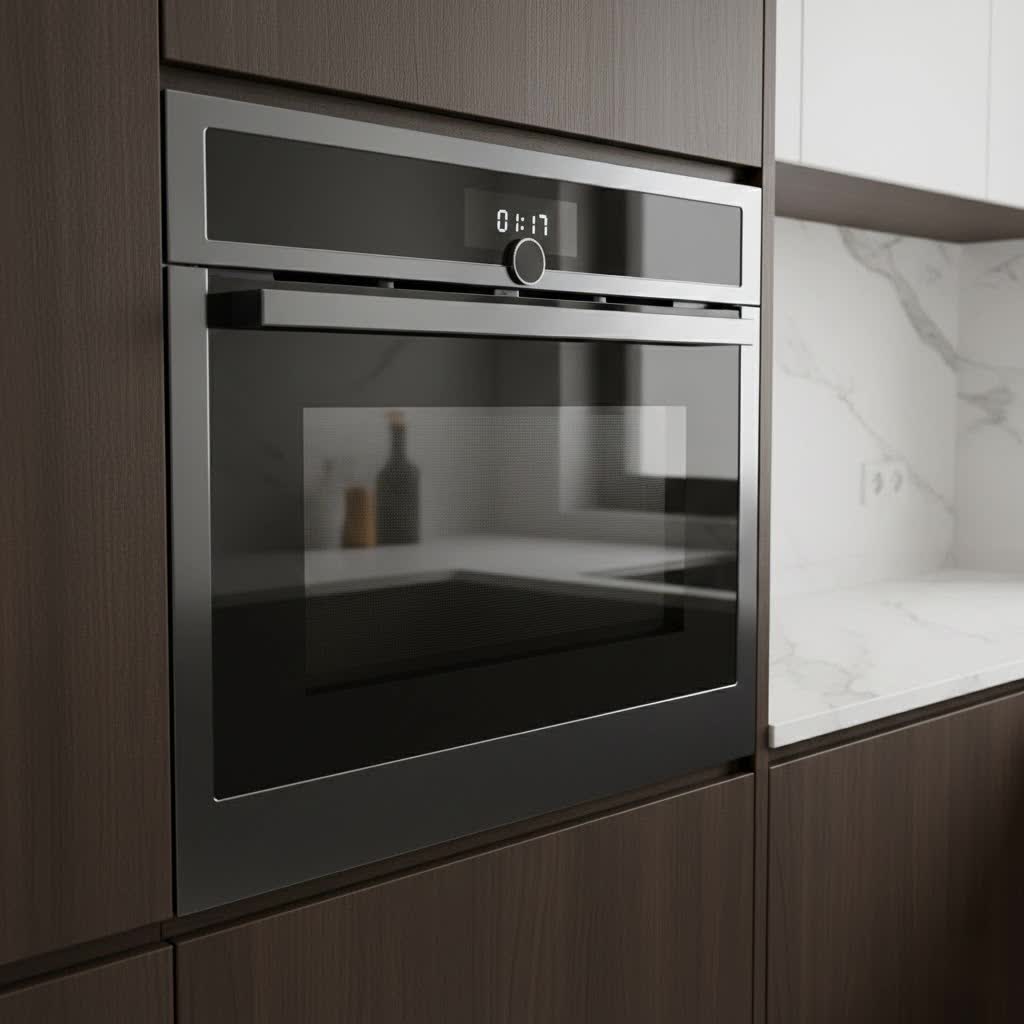
What is a Microwave’s Keep Warm Feature? How Does It Work?
A microwave’s “Keep Warm” feature is a dedicated setting that maintains the temperature of cooked or reheated food at a safe and palatable level without continuing to cook it. Unlike standard reheating, which aims to bring food back to a hot temperature, the warming function is designed for gentle temperature retention.
When activated, the microwave typically operates at a very low power setting, often around 10-20% of its maximum wattage. This gentle, periodic energy delivery is just enough to prevent food from cooling down, rather than actively cooking it further. Some advanced models utilize sensor technology, which detects the amount of steam or humidity emitted by the food to automatically adjust power and time, ensuring optimal warming without drying. Convection microwaves, which circulate warm air, can also provide a more oven-like warming environment, distributing heat evenly and gently. Depending on the model, this function can keep your food perfectly warm for a duration typically ranging from 30 to 90 minutes, with many newer models offering up to an hour. This precision control is crucial for preserving the food’s original texture, moisture, and flavor.
Why You Need a Keep Warm Microwave for Dinner
The “Keep Warm” function isn’t just a fancy extra; it’s a practical solution to several common dinner dilemmas:
- Ultimate Convenience for Busy Schedules: Life rarely runs on a perfect schedule. With a keep warm microwave, you can finish cooking dinner and let it hold at serving temperature while you attend to other tasks, like helping kids with homework or setting the table. This eliminates the frantic rush to get everything on the table at once.
- Staggered Meal Times: For families where members eat at different times, this feature is a game-changer. No more having to cook separate meals or reheat plates individually. Each person can enjoy a warm, freshly prepared meal whenever they are ready.
- Maintaining Food Quality: One of the biggest drawbacks of traditional reheating or leaving food on the stovetop is the degradation of quality. Food can become dry, rubbery, or lose its essential flavors. The gentle, controlled heat of a microwave’s keep warm setting prevents this, ensuring your dishes retain their texture and moisture, tasting as good as when they were first cooked.
- Effortless Entertaining: Hosting a dinner party? A keep warm microwave allows you to prepare certain dishes ahead of time and keep them warm while you focus on guests or other cooking steps. This reduces stress and helps you serve a perfectly coordinated meal.
- Reduced Food Waste: By keeping food at an optimal temperature, you’re more likely to consume leftovers or additional servings, reducing the chances of food being thrown away because it’s gone cold.
This functionality transforms your microwave from just a reheating tool into a strategic asset for effective meal management, offering peace of mind and delicious results.
Types of Microwaves and Their Warming Capabilities
Understanding the different types of microwaves can help you choose one with the best warming features for your needs.
Basic/Solo Microwaves
These are your standard microwaves, primarily designed for reheating and basic cooking. While they may not have a dedicated “Keep Warm” button, many models allow you to set very low power levels. You could manually use a low power setting for short periods to keep food warm, but it requires more attention to avoid overcooking or drying.
- Pros: Generally more affordable and compact.
- Cons: Lack dedicated “Keep Warm” settings, less precise control over temperature.
|
Our Picks for the Best Microwave in 2026
As an Amazon Associate I earn from qualifying purchases.
|
||
| Num | Product | Action |
|---|---|---|
| 1 | TOSHIBA ML-EM09PA(BS) Small Microwave Oven with 6 Auto Menus, Mute Function, LED Lighting Countertop Microwave Perfect for Kitchen, 0.9 Cu Ft, 10.6 Inch Removable Turntable, 900W Black Stainless Steel |

|
| 2 | FRIGIDAIRE EMW788RETRO 0.7 cu. ft. Retro Microwave, Black-Gold |
|
| 3 | COMFEE' EM720CPL-PMB Countertop Microwave Oven with Sound On/Off, ECO Mode and Easy One-Touch Buttons, 0.7cu.ft, 700W, Black |
|
| 4 | FRIGIDAIRE EMW736BLK 0.7 Cu. Ft. Microwave, Black |
|
| 5 | COMFEE' EM720CPL-PM Countertop Microwave Oven with Sound On/Off, ECO Mode and Easy One-Touch Buttons, 0.7 Cu Ft/700W, Pearl White |
|
| 6 | TOSHIBA EM131A5C-SS Countertop Microwave Ovens 1.2 Cu Ft with 12.4" Removable Turntable Smart Humidity Sensor, 12 Auto Menus Mute Function ECO Mode Easy Clean Interior, 1000W, Silver |
|
| 7 | Chefman Countertop Microwave Oven 0.9 Cu. Ft., 900 Watts with 10 Power Levels, 6 Cooking Presets with One-Touch Express Cook, Eco Mode, Child Safety Lock, & Mute Button - Black |
|
| 8 | Chefman Countertop Microwave Oven 0.7 Cu. Ft., 700 Watts with 10 Power Levels, 6 Cooking Presets with One-Touch Express Cook, Eco Mode, Child Safety Lock, & Mute Button - Black |
|
| 9 | BLACK+DECKER EM720CB7 Digital Microwave Oven with Turntable Push-Button Door, Child Safety Lock, 700W, Stainless Steel, 0.7 Cu.ft |
|
| 10 | TOSHIBA EM131A5C-BS Countertop Microwave Ovens 1.2 Cu Ft, 12.4" Removable Turntable Smart Humidity Sensor 12 Auto Menus Mute Function ECO Mode Easy Clean Interior Black Color 1000W |
|
Sensor Microwaves
Equipped with humidity sensors, these microwaves detect the steam released by food as it cooks or reheats. They automatically adjust power levels and cooking times to achieve optimal results. For warming, this means less guesswork and a lower risk of drying out food. Many “sensor reheat” functions can effectively double as a gentle warming feature.
- Pros: Automatic adjustments for perfect results, prevent overcooking.
- Cons: Often slightly more expensive than basic models.
Convection Microwaves
These versatile appliances combine microwave cooking with convection oven capabilities, allowing them to bake, roast, and sometimes even air fry. The convection feature, which circulates hot air, is excellent for keeping food warm. Similar to a warming drawer, they can maintain a consistent, gentle heat without the intense radiation of pure microwave energy, making them ideal for delicate dishes or for keeping multiple items warm.
- Pros: Highly versatile, excellent for even and gentle warming with circulated air.
- Cons: Larger and more expensive, can have a steeper learning curve.
Smart Microwaves
These microwaves integrate with Wi-Fi and smart home platforms, offering remote control, voice commands, and personalized settings via an app. While not all smart microwaves explicitly feature “Keep Warm,” their advanced programming and remote control capabilities often allow for precise temperature maintenance or scheduled warming. You might be able to start a warming cycle from your phone on your way home.
- Pros: Advanced controls, remote operation, integration with smart home ecosystems.
- Cons: Typically the most expensive, relies on app functionality.
Choosing the Right Microwave with a Keep Warm Feature
Selecting the perfect microwave involves more than just finding a “Keep Warm” button. Here’s what to consider:
- Identify Your Primary Use: Will you mostly be warming individual plates or large family casseroles? Do you need it for everyday meals or special occasions? Your answer will guide decisions on capacity and features.
- Capacity: This refers to the interior space, measured in cubic feet.
- Small (under 1.0 cu. ft.): Ideal for single servings, small apartments, or reheating beverages. Less suitable for warming large dinner plates.
- Medium (1.0 – 1.6 cu. ft.): Fits standard dinner plates and most casserole dishes. Good for average families.
- Large (1.7 cu. ft. and above): Best for large families, entertaining, or frequently warming big dishes. Look for models that can accommodate a full dinner plate comfortably.
- Wattage: Higher wattage (typically 1000W-1200W) generally means faster cooking and more even heating. While the “Keep Warm” function uses low power, a higher base wattage often correlates with better overall performance and more consistent heating, which indirectly benefits warming.
- Specific Warming Functions: Look for clearly labeled “Keep Warm,” “Warm Hold,” or “Dinner Plate” settings. Sensor reheat functions are also excellent alternatives for precise temperature maintenance. Inverter technology, which provides a consistent stream of microwave energy rather than cycling on and off, contributes to more even and gentle warming without hot spots.
- Additional Features:
- Child Lock: Essential for safety in homes with young children.
- Presets: Pre-programmed settings for common foods can simplify usage.
- Ease of Cleaning: Stainless steel interiors or non-stick coatings make cleanup easier.
- Ventilation (for over-the-range models): Important if placed above your stove.
- Brand Reputation & Reviews: Opt for well-known brands with good customer service and a track record of reliable appliances. Reading reviews specific to the warming function can offer valuable insights.
Top Microwaves with Keep Warm Features for Dinner
When it comes to keeping your dinner perfectly warm, certain microwaves stand out for their features and performance. Here are some top contenders that either include dedicated “Keep Warm” functions or offer superior sensor and inverter technology perfect for the task:
1. Panasonic HomeChef 4-in-1 Countertop Microwave Oven
This versatile appliance is a powerhouse, combining microwave, convection oven, broiler, and air fryer functions. Its “Keep Warm” function is specifically designed to hold food at serving temperature for up to 30 minutes, preventing overcooking and preserving moisture. The Genius Sensor cooking technology ensures precise heating, making it an excellent choice for maintaining dinner quality. It’s ideal for those who want a multi-functional kitchen helper that can handle various cooking tasks while also excelling at keeping food warm.
- Pros: Dedicated “Keep Warm” function, 4-in-1 versatility, Genius Sensor cooking, automatic steam cleaning.
- Cons: Higher price point, might have a slight learning curve due to multiple functions.
2. Toshiba 7-in-1 Countertop Microwave Oven
The Toshiba 7-in-1 is a highly flexible microwave that includes microwave, air fry, convection, broil, defrost, sensor cook, and “combi” cook modes. Its sensor cook feature is excellent for reheating large casseroles and dishes evenly, which translates well into keeping food warm without drying. Equipped with inverter technology, it delivers a continuous stream of power for even cooking and gentle warming, making it suitable for maintaining dinner plate temperatures until everyone is ready. Its ability to handle a standard dinner plate, despite its relatively compact size for its power, makes it a strong contender.
- Pros: Inverter technology for even heating, “sensor cook” for precise temperature control, seven versatile cooking modes, good capacity for dinner plates.
- Cons: “Keep Warm” is achieved through sensor cook rather than a distinct button.
3. Farberware 1,100-Watt Microwave with Smart Sensor
While it might not boast a dedicated “Keep Warm” button, the Farberware with Smart Sensor is consistently praised for its overall performance and excellent sensor cook feature. This technology detects when food has reached its ideal temperature through steam, making it highly effective for reheating and, by extension, keeping food warm without scorching or drying. Its consistent heating and roomy interior make it a reliable choice for families who need to keep dinner warm. The focus on consistent and reliable reheating makes it a strong choice for incidental warming.
- Pros: Excellent sensor cook feature for precise reheating, spacious interior, reliable performance.
- Cons: No explicit “Keep Warm” function, less technologically advanced than smart models.
4. Samsung Smart SLIM Over-the-Range Microwave
For those looking for integrated smart features and space-saving design, certain Samsung over-the-range models offer advanced controls that can be leveraged for warming. While direct “Keep Warm” features may vary by model, the smart integration allows for precise control over cooking and reheating, potentially enabling timed warming sequences through the SmartThings app. Its strong ventilation and sleek design are additional benefits, making it a high-tech option for modern kitchens.
- Pros: Smart connectivity for potential warming control, excellent ventilation, sleek design, inverter technology often included.
- Cons: Warming function might be app-dependent or require manual programming, primarily an over-the-range model.
These microwaves exemplify how modern technology makes it easier to serve hot, delicious dinners, even when schedules are less than perfect.
How to Use Your Keep Warm Microwave Safely and Effectively
To get the most out of your microwave’s keep warm feature and ensure food safety, keep these tips in mind:
- Use Microwave-Safe Dishes: Always use dishes explicitly labeled microwave-safe. Avoid metal, aluminum foil, and old plastic containers that may not withstand microwave heat, even at low settings. While some sources mention wood can be problematic, it’s generally best to stick to glass, ceramic, or specific microwave-safe plastics.
- Cover Your Food: Covering dishes helps retain moisture and ensures more even warming. Use a microwave-safe lid or microwave-safe plastic wrap, leaving a small vent for steam.
- Don’t Overload: While tempting, avoid packing the microwave too full. This can lead to uneven warming.
- Observe Time Limits: Most “Keep Warm” functions have a time limit (e.g., 30-90 minutes). Adhere to these limits to maintain food quality and safety. Food should not be left at lukewarm temperatures indefinitely, as this can encourage bacterial growth.
- Stir or Rotate (If Applicable): For larger dishes, a quick stir or rotation halfway through a longer warming cycle can help distribute heat evenly.
- Clean Regularly: Food splatters can impact performance and create odors. Regularly clean the interior of your microwave to ensure efficient and hygienic operation.
- Consult Your Manual: Always refer to your microwave’s owner’s manual for specific instructions on how to use the “Keep Warm” function, recommended dishes, and safety guidelines unique to your model.
Following these guidelines will ensure your meals remain delicious and safe to eat, providing the ultimate convenience for your dinner routine.
Conclusion
In a world where busy schedules are the norm, the ability to keep dinner warm until everyone is ready to gather is more than a luxury – it’s a necessity. Microwaves with “Keep Warm” features, or those with advanced sensor and inverter technologies that achieve similar results, offer an elegant solution to a common household challenge. They preserve the quality of your food, reduce stress during meal preparation, and ensure that every member of the family can enjoy a perfectly warm meal, regardless of when they sit down to eat. By understanding how these features work and what to look for, you can choose a microwave that truly enhances your dinner experience, making every evening a little smoother and a lot more delicious.
Are you ready to transform your dinner routine with a microwave that keeps your meals perfectly warm?
Frequently Asked Questions
How long can I keep food warm in a microwave?
Most microwaves with a dedicated “Keep Warm” function can safely hold food at serving temperature for 30 to 90 minutes, with many newer models designed for up to one hour. Always consult your appliance’s manual for specific time recommendations to ensure both food quality and safety.
Can all microwaves keep food warm?
No, not all microwaves have a dedicated “Keep Warm” function. Basic models might require you to manually use a very low power setting, which is less precise. However, many modern microwaves with sensor cooking or inverter technology can effectively keep food warm without overcooking, even if they don’t have a specific “Keep Warm” button.
Is it safe to keep food warm in a microwave?
Yes, it is generally safe to use a microwave’s “Keep Warm” function, provided you follow the manufacturer’s guidelines and food safety practices. This function is designed to hold food above the “danger zone” (40°F to 140°F or 4°C to 60°C) where bacteria multiply rapidly. Do not leave food in the warming mode indefinitely.
What’s the difference between reheating and keep warm?
Reheating is intended to bring cold food back to a hot, edible temperature, typically using higher power settings for a shorter duration. The “Keep Warm” function, on the other hand, uses very low, gentle heat to maintain an already warm temperature, preventing food from cooling without continuing to cook or dry it out.