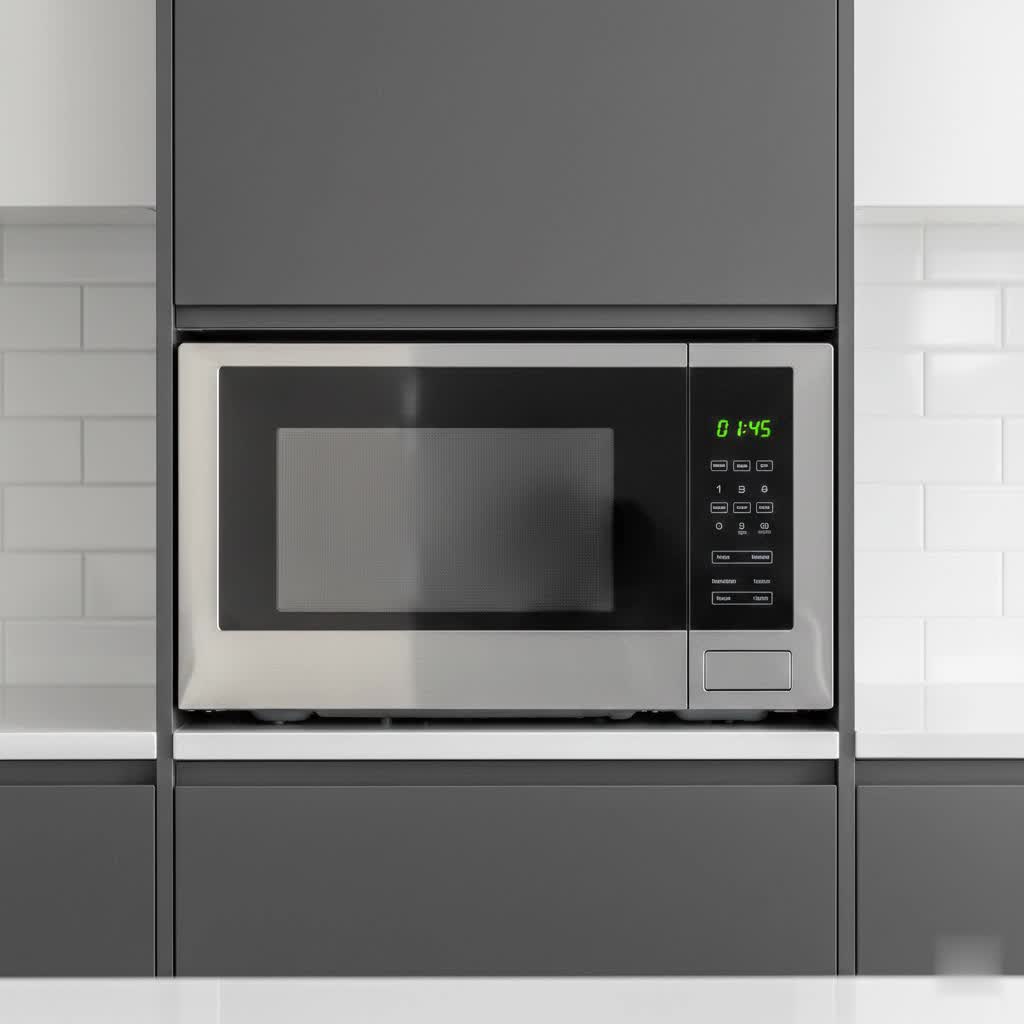
The microwave oven has long been a cornerstone of modern kitchens, valued for its unparalleled convenience in reheating leftovers, defrosting ingredients, and quickly preparing meals. However, beneath their seemingly simple operation, microwaves employ different technologies to generate the cooking power you rely on. The two primary power delivery systems are conventional (transformer-based) and inverter technology, each offering distinct advantages and considerations. Understanding the fundamental differences between these two approaches is crucial for anyone looking to make an informed decision when purchasing a new microwave or simply curious about how their kitchen workhorse functions.
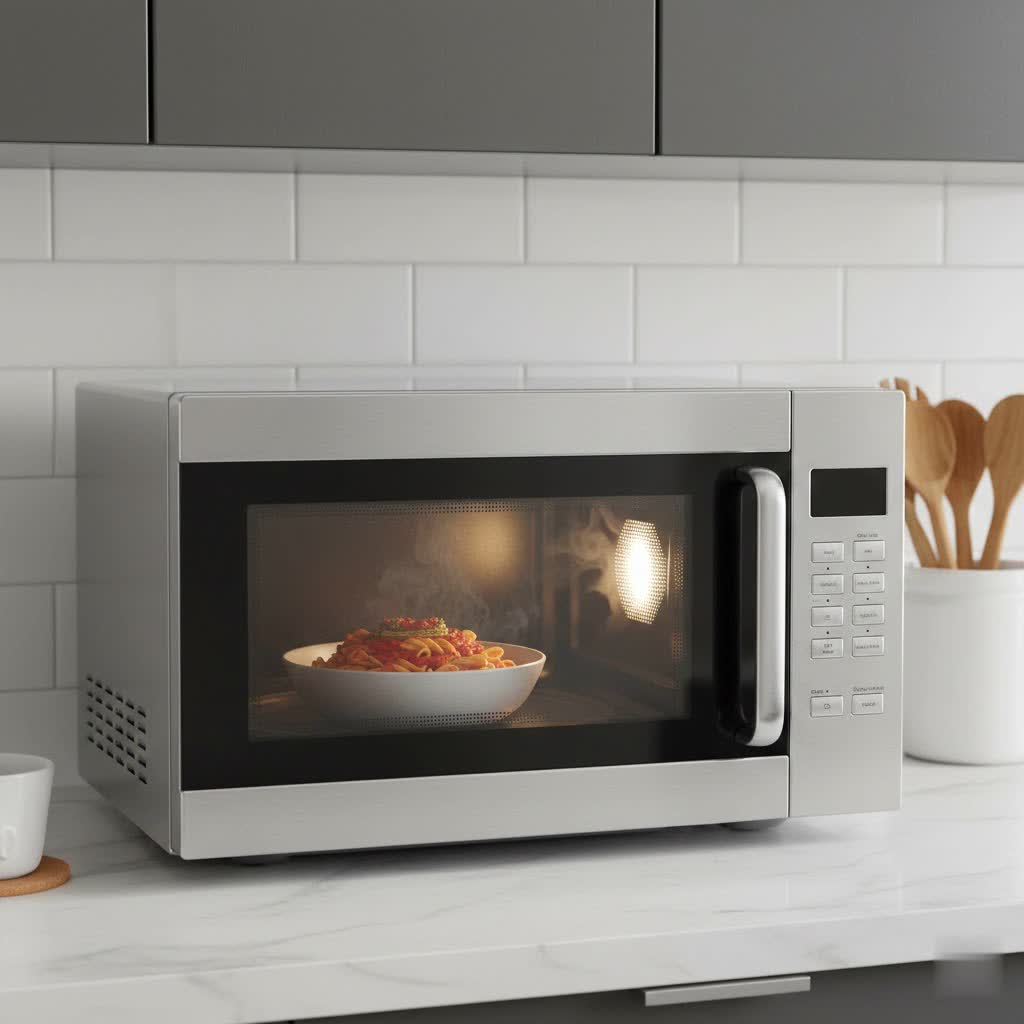
This comprehensive guide will delve into the mechanics of both conventional and inverter microwave technologies, comparing their performance in key areas like cooking uniformity, energy efficiency, and overall food quality. We’ll explore the pros and cons of each, helping you determine which technology best aligns with your culinary habits and kitchen needs.
Understanding Microwave Ovens: The Core Principle
Before diving into the specifics of inverter and transformer technologies, let’s briefly revisit how a microwave oven heats food. At its heart, a microwave oven uses a component called a magnetron to convert electricity into high-frequency radio waves, specifically microwaves. These microwaves are then directed into the cooking cavity, where they interact with water, fat, and sugar molecules within your food. As these molecules absorb the microwave energy, they begin to vibrate rapidly, generating heat through friction. This process heats the food from within, offering a faster and often more efficient cooking method compared to traditional ovens.
Conventional Microwave Technology: The Legacy of the Transformer
For decades, the standard power delivery system in microwave ovens has relied on a heavy, high-voltage transformer. This transformer takes the standard household electricity and steps it up to the high voltage required by the magnetron to produce microwaves.
How It Works:
The defining characteristic of conventional microwave technology lies in how it achieves lower power settings. Unlike a dimmer switch that smoothly reduces light intensity, a transformer microwave operates more like an on-off switch. When you select a lower power level (e.g., 50%), the microwave doesn’t actually reduce the intensity of the microwave energy it generates. Instead, it cycles the magnetron on and off. For instance, at 50% power, the magnetron might blast at full power for a short period, then turn completely off for an equivalent period, repeating this cycle throughout the cooking time.
Pros of Conventional Microwaves:
- Lower Initial Cost: Generally, conventional microwaves are more affordable due to their simpler, established technology.
- Proven Reliability: As an older technology, transformer-based microwaves have a long track record, and many users find them durable.
Cons of Conventional Microwaves:
- Uneven Cooking: The on-off cycling can lead to inconsistent heating, often resulting in “hot spots” and “cold spots” in your food. Some areas might be overcooked or dry, while others remain cool.
- Suboptimal Defrosting: This pulsed heating can be particularly problematic for defrosting. Food might experience cooked edges while the center remains frozen.
- Bulky and Heavy: The large transformer required makes these appliances heavier and often larger, occupying more counter space.
- Louder Operation: The constant cycling of the magnetron can produce noticeable humming or buzzing sounds.
- Less Precise: Without continuous power adjustment, achieving truly delicate cooking results can be challenging.
Inverter Microwave Technology: A Leap in Precision
Inverter technology represents a significant advancement in microwave oven design, offering a more refined approach to power delivery. This innovation replaces the traditional transformer with a more compact and efficient inverter circuit.
How It Works:
An inverter microwave functions much like a dimmer switch for your lights. Instead of cycling power on and off, the inverter circuit continuously and smoothly modulates the power output to the magnetron. When you select 50% power, the microwave consistently delivers 50% of its maximum power throughout the entire cooking cycle. This constant, controlled energy flow is key to its superior performance.
Pros of Inverter Microwaves:
- Even and Consistent Cooking: By delivering a steady stream of power, inverter microwaves eliminate the harsh on-off bursts, leading to more uniform heating and fewer hot or cold spots. This results in food that is cooked more evenly throughout.
- Improved Food Quality: The consistent power helps preserve the natural moisture and texture of food, preventing delicate items from drying out or becoming rubbery. Flavors are often better retained.
- Enhanced Defrosting: This is where inverter technology truly shines. Food thaws gently and thoroughly without partially cooking the edges, ensuring better texture and taste once defrosted.
- Faster Cooking Times: The more efficient energy delivery and consistent heating can often lead to quicker cooking and reheating times compared to conventional models of similar wattage.
- Energy Efficiency: By operating at the exact power level needed, inverter microwaves generally consume less energy overall, potentially leading to lower electricity bills.
- Compact and Lightweight: The smaller, lighter inverter circuit allows for a more streamlined appliance design, freeing up valuable counter space and making them easier to move.
- Quieter Operation: Without the abrupt power cycling, inverter microwaves tend to operate more quietly, providing a more pleasant kitchen environment.
- Versatile Cooking: Many inverter models offer advanced features like simultaneous use of microwave, convection, and grill functions, further expanding your cooking possibilities.
Potential Considerations for Inverter Microwaves:
- Higher Price Point: Inverter technology is more advanced, which typically translates to a higher initial purchase price.
- Perceived Benefits: While many users report significant improvements, some argue that for simple tasks like boiling water or quick reheating at 100% power, the difference might not be revolutionary. However, for precise cooking, defrosting, and delicate items, the advantages are often clear.
Detailed Comparison: Inverter vs. Transformer Microwave
To help you visualize the core differences, here’s a detailed comparison of key aspects:
| Feature | Conventional (Transformer) Microwave | Inverter Microwave |
|---|---|---|
| Power Delivery | Cycles magnetron on and off (e.g., 50% power = 100% on, 100% off) | Continuous, modulated power output (e.g., 50% power = consistent 50% output) |
| Cooking Uniformity | Prone to hot and cold spots, uneven heating | Consistent and even heating throughout, reducing hot spots |
| Food Quality | Can dry out or overcook delicate foods, impacts texture | Preserves moisture and texture, better taste, ideal for delicate foods |
| Defrosting | Often results in cooked edges and still-frozen centers | Thaws food evenly and gently without cooking, preserving integrity |
| Cooking Speed | Can be slower due to intermittent power | Often faster due to more efficient and continuous energy transfer |
| Energy Efficiency | Less efficient due to full power bursts and off cycles | More energy-efficient by delivering only the required power |
| Size & Weight | Bulky and heavy due to large transformer | More compact and lightweight, allowing for larger internal capacity in smaller footprint |
| Noise Level | Typically louder due to mechanical cycling and transformer hum | Generally quieter in operation |
| Cost | More affordable initial purchase | Higher initial investment due to advanced technology |
| Precision | Less precise for delicate tasks | Highly precise, excellent for melting chocolate or softening butter |
Choosing the Right Microwave for Your Kitchen
Deciding between an inverter and a conventional microwave largely depends on your specific needs, cooking habits, and budget.
- For Basic Needs & Budget-Conscious Buyers: If your primary use for a microwave is simple reheating of leftovers, popping popcorn, or quick tasks at full power, and budget is a major concern, a conventional microwave might suffice.
- For Culinary Enthusiasts & Everyday Versatility: If you prioritize even cooking, superior defrosting, better food texture, and plan to use your microwave for more delicate tasks like melting chocolate or slow cooking, an inverter microwave is generally a worthwhile investment. The consistent power offers a noticeable improvement in results.
- For Small Spaces & Quiet Operation: The more compact design and quieter operation of inverter models can be a significant advantage for smaller kitchens or open-plan living areas where noise is a consideration.
- For Energy Efficiency: While the energy savings on a single appliance might seem small, choosing an inverter microwave contributes to overall energy conservation and can add up over its lifespan.
“The subtle yet significant difference in power delivery between inverter and conventional microwaves translates into a tangible improvement in culinary results, particularly for delicate ingredients and even defrosting. It’s a game-changer for maintaining food quality.” – Chef Isabella Rossi, Culinary Technology Expert
Tips for Safe and Effective Microwave Use
Regardless of the technology powering your microwave, adhering to best practices ensures safety and optimal performance:
- Use Microwave-Safe Cookware: Always check that containers are labeled microwave-safe to prevent arcing or damage.
- Stir and Rotate Food: Even with inverter technology, stirring food midway through cooking and allowing standing time helps distribute heat more evenly.
- Avoid Metal: Never place metal or metallic-trimmed dishes in the microwave.
- Clean Regularly: Food splatters can reduce efficiency and pose a fire risk. Wipe down the interior frequently.
- Never Operate Empty: Running an empty microwave can damage the magnetron.
- Check Door Seal: Ensure the door closes securely and the seal is intact to prevent microwave energy leakage.
Conclusion
The evolution of microwave technology from the robust, cycling power of traditional transformer models to the precise, continuous output of inverter systems marks a notable advancement in kitchen appliances. While conventional microwaves remain a dependable and affordable choice for basic reheating, inverter technology offers a superior cooking experience with more even results, improved food quality, and enhanced defrosting capabilities. The slightly higher initial investment in an inverter microwave is often justified by its greater versatility, efficiency, and the elevated quality of meals it helps prepare. When weighing your options, consider your cooking style, the types of food you typically prepare, and the value you place on consistency and precision. Choosing the right microwave technology can significantly enhance your daily cooking routine, transforming a simple reheating task into a more sophisticated culinary endeavor.
What features do you prioritize most in a microwave oven?
Frequently Asked Questions
Are inverter microwaves truly more energy efficient?
|
Our Picks for the Best Microwave in 2026
As an Amazon Associate I earn from qualifying purchases.
|
||
| Num | Product | Action |
|---|---|---|
| 1 | TOSHIBA EM131A5C-BS Countertop Microwave Ovens 1.2 Cu Ft, 12.4" Removable Turntable Smart Humidity Sensor 12 Auto Menus Mute Function ECO Mode Easy Clean Interior Black Color 1000W |

|
| 2 | FRIGIDAIRE EMW736BLK 0.7 Cu. Ft. Microwave, Black |
|
| 3 | TOSHIBA ML-EM09PA(BS) Small Microwave Oven with 6 Auto Menus, Mute Function, LED Lighting Countertop Microwave Perfect for Kitchen, 0.9 Cu Ft, 10.6 Inch Removable Turntable, 900W Black Stainless Steel |
|
| 4 | Chefman Countertop Microwave Oven 0.7 Cu. Ft., 700 Watts with 10 Power Levels, 6 Cooking Presets with One-Touch Express Cook, Eco Mode, Child Safety Lock, & Mute Button - Black |
|
| 5 | BLACK+DECKER EM720CB7 Digital Microwave Oven with Turntable Push-Button Door, Child Safety Lock, 700W, Stainless Steel, 0.7 Cu.ft |
|
| 6 | COMFEE' EM720CPL-PMB Countertop Microwave Oven with Sound On/Off, ECO Mode and Easy One-Touch Buttons, 0.7cu.ft, 700W, Black |
|
| 7 | FRIGIDAIRE EMW788RETRO 0.7 cu. ft. Retro Microwave, Black-Gold |
|
| 8 | TOSHIBA EM131A5C-SS Countertop Microwave Ovens 1.2 Cu Ft with 12.4" Removable Turntable Smart Humidity Sensor, 12 Auto Menus Mute Function ECO Mode Easy Clean Interior, 1000W, Silver |
|
| 9 | COMFEE' EM720CPL-PM Countertop Microwave Oven with Sound On/Off, ECO Mode and Easy One-Touch Buttons, 0.7 Cu Ft/700W, Pearl White |
|
| 10 | Chefman Countertop Microwave Oven 0.9 Cu. Ft., 900 Watts with 10 Power Levels, 6 Cooking Presets with One-Touch Express Cook, Eco Mode, Child Safety Lock, & Mute Button - Black |
|
Yes, inverter microwaves are generally more energy-efficient. By delivering a continuous, regulated power output tailored to the selected setting, they avoid the energy waste associated with the on-off cycling of traditional models that briefly operate at full power, ultimately consuming less electricity over time.
Can inverter microwaves really cook food faster?
Many users find that inverter microwaves cook and reheat food faster. This is attributed to the consistent and efficient application of microwave energy, which ensures uniform heating throughout the food, reducing the need for longer cooking times to eliminate cold spots.
Is the higher cost of an inverter microwave worth it?
The worth of a higher-cost inverter microwave depends on your usage. If you frequently cook delicate foods, defrost ingredients, or demand precise and even heating for various dishes, the consistent performance and improved food quality often justify the investment. For basic reheating, the benefits might be less pronounced.
Do inverter microwaves last longer than conventional ones?
While there have been some anecdotal reports of early inverter board failures, modern inverter microwaves are designed for durability. The continuous power delivery can potentially reduce stress on internal components compared to the constant on-off cycling of traditional models, which may contribute to a longer lifespan for some parts.