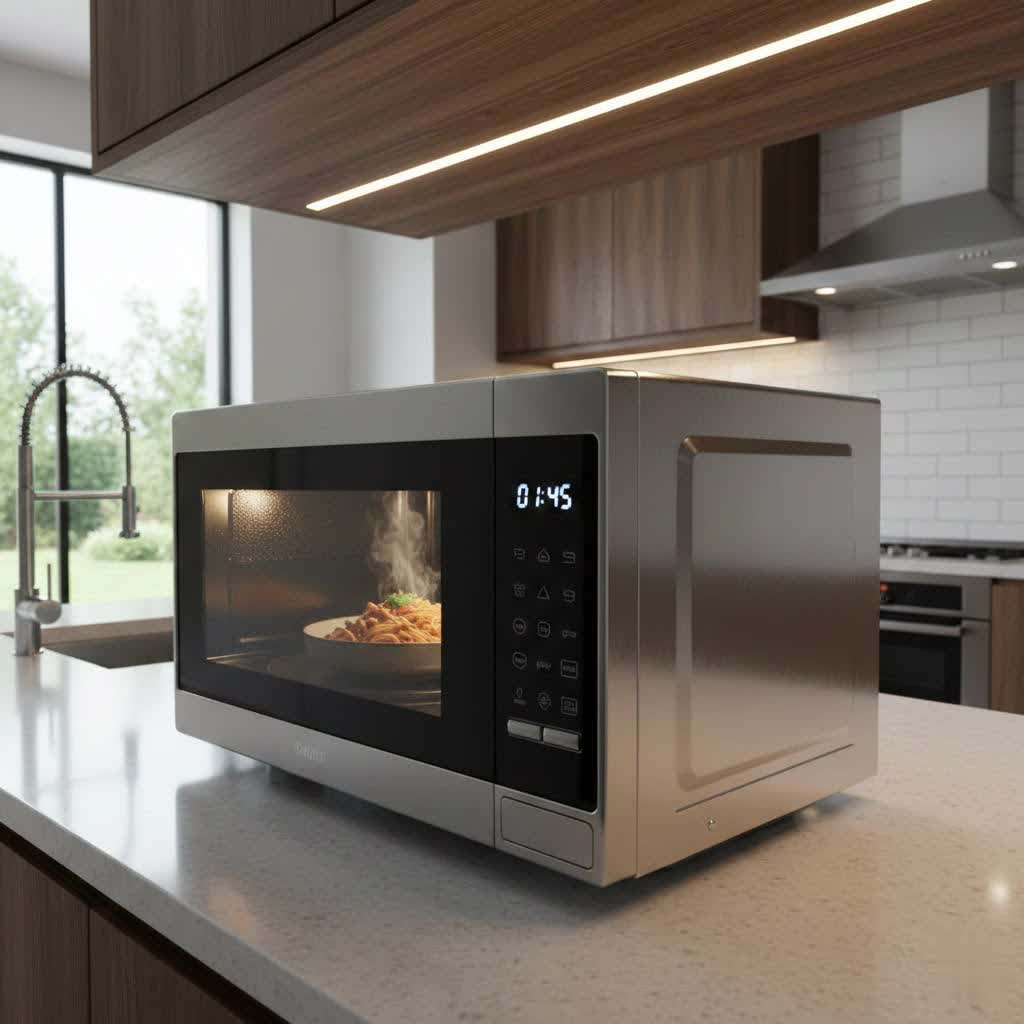
Have you ever wondered why some meals cook perfectly in a friend’s microwave, while the same dish turns out unevenly heated in yours? The answer often lies in one crucial factor: wattage. Choosing the right microwave for your home involves more than just picking a stylish design; understanding wattage is key to unlocking optimal cooking performance. As an experienced technician who’s seen countless microwave models, I can tell you that getting this right makes all the difference.
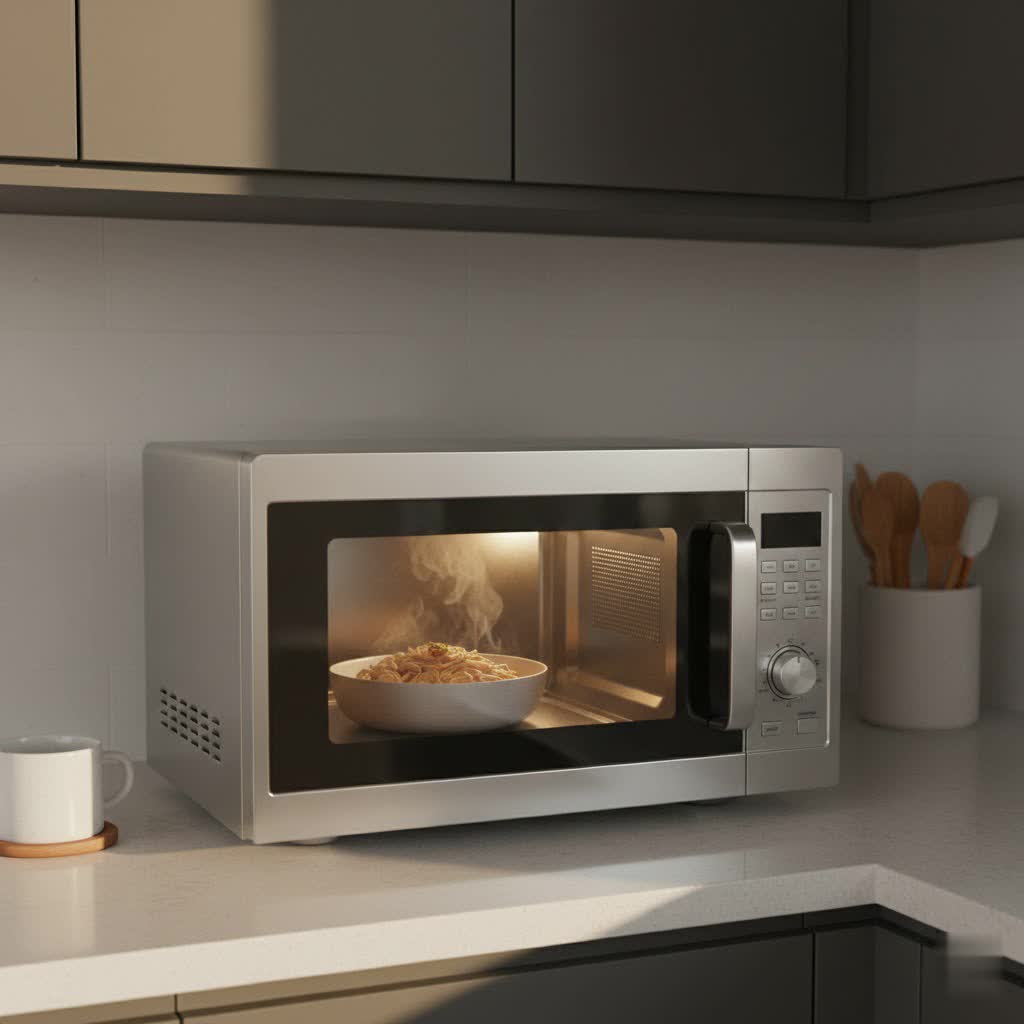
In this comprehensive guide, we’ll dive deep into the world of microwave wattage, comparing the capabilities of 700W, 1000W, and 1200W models. We’ll explore how these power levels impact your cooking, help you identify the ideal wattage for your lifestyle, and share practical tips for safe and efficient microwave use. By the end, you’ll be equipped with the knowledge to make an informed decision and ensure every meal prepared in your microwave is a success.
What is a Microwave Oven? And How Does Wattage Influence It?
A microwave oven is a kitchen appliance that heats food by exposing it to electromagnetic radiation in the microwave frequency range. These microwaves cause water molecules within the food to vibrate rapidly, generating heat through friction, which then cooks the food from the inside out. It’s a remarkably efficient way to prepare meals, reheat leftovers, and quickly defrost ingredients.
Wattage, in the context of a microwave, refers to its power output. Simply put, it’s the amount of electrical power the oven uses to generate the microwaves that cook your food. A higher wattage generally means more intense microwave energy is produced, leading to faster cooking times and often more even heating. Think of it like the horsepower in a car; more watts usually translate to more “oomph” and quicker results. This power directly dictates how quickly and effectively your microwave can heat, cook, or defrost various foods, making it a pivotal specification to consider.
Popular Microwave Oven Types and Their Wattage Tendencies
The market offers a diverse range of microwave ovens, each designed to cater to different kitchen layouts and cooking needs. While wattage is a standalone power rating, it often correlates with the size and type of the microwave.
- Countertop Microwaves: These are the most common and versatile, available in a wide range of wattages from compact 700W models to larger, more powerful 1200W units. They offer flexibility in placement and are easy to move.
- Over-the-Range Microwaves: Designed to be installed above your stovetop, these models combine microwave functionality with ventilation for your range. They typically come in higher wattages, often 1000W or 1200W, to handle larger capacities and more frequent use in busy kitchens.
- Built-in Microwaves: These integrate seamlessly into your cabinetry, offering a sleek, custom look. Like over-the-range models, they tend to be higher wattage (1000W-1200W+) and are chosen for their aesthetic appeal and powerful performance.
- Microwave-Convection Ovens: Many higher-wattage microwaves, especially those in the 1000W to 1200W range and above, often include convection oven capabilities. This allows them to function as a traditional oven, capable of baking, roasting, and grilling, significantly expanding their utility beyond simple reheating. Advanced features like “inverter technology” are also more common in higher-wattage models. Inverter technology provides a continuous, consistent power flow, which results in more evenly cooked food, better defrosting, and overall superior cooking performance compared to older magnetron systems that cycle power on and off.
Detailed Comparison: 700W vs 1000W vs 1200W Microwaves
Understanding the specific differences between these common wattage levels is crucial for making an informed decision. Each offers a unique balance of speed, efficiency, and features, tailored to different user needs.
| Feature | 700-800 Watt Microwaves | 1000 Watt Microwaves | 1200+ Watt Microwaves |
|---|---|---|---|
| Cooking Speed | Slower, requiring longer heating times. | Faster, offering a good balance of speed and efficiency. | Fastest, providing rapid cooking and heating. |
| Evenness of Heating | Can be less even, potentially leading to cold spots. | Generally good, with consistent heating for most foods. | Excellent, with superior heat distribution and fewer cold spots. |
| Typical Use Cases | Reheating drinks, instant meals, small leftovers. | General cooking, reheating, defrosting, cooking frozen meals. | Advanced cooking, large meals, baking, grilling, steaming. |
| Recipe Adherence | Often requires significant time adjustments for recipes. | Most recipes are calibrated for 1000W, minimal adjustments needed. | May require slight reductions in cooking time for 1000W recipes. |
| Features | Basic functions, fewer pre-programmed settings. | Standard features, often including auto-defrost and sensor cooking. | Advanced features like convection, grilling, air frying, smart controls. |
| Price Point | Most affordable, entry-level options. | Mid-range, offering a good value for performance. | Higher price point, reflecting advanced features and power. |
| Energy Consumption | Lower power draw, but longer operation might balance out. | Moderate power draw, efficient for most tasks. | Higher power draw, but faster cooking can offset overall energy use. |
| Ideal User | Individuals, dorm rooms, small apartments, occasional users. | Average households, daily users, those cooking a variety of foods. | Large families, gourmet cooks, users seeking versatility and speed. |
700-800 Watt Microwaves: These are typically compact and budget-friendly, making them a popular choice for smaller living spaces like dorms, offices, or for individuals with minimal microwave usage. While they get the job done for basic tasks like heating beverages or instant meals, they will take noticeably longer to cook and reheat food. You might also find that food heats less evenly, sometimes leaving cold spots. If you’re patient and primarily use your microwave for simple, quick tasks, a 700W model can be a cost-effective solution.
1000 Watt Microwaves: Often considered the industry standard, 1000W microwaves strike an excellent balance between speed, efficiency, and affordability. Most microwave recipes you find on packaging or in cookbooks are calibrated for a 1000-watt oven, meaning you’ll rarely need to adjust cooking times. They heat food quickly and more evenly than lower-wattage models, making them ideal for average households and a wide range of cooking tasks, from reheating leftovers to defrosting meats and cooking frozen dinners. This wattage offers great versatility without a premium price tag.
1200+ Watt Microwaves: Stepping up to 1200 watts or more brings you into the realm of high-performance microwaves, often featuring advanced functionalities like convection cooking, grilling, or steaming. These powerful machines cook food the fastest and most evenly, minimizing hot and cold spots. They are perfect for larger families, cooking more complex meals, or those who frequently use their microwave as a primary cooking appliance. While they come with a higher price tag and consume more power during operation, their speed and enhanced features can justify the investment for serious home cooks.
How to Choose the Right Microwave Wattage for Your Kitchen
Selecting the perfect microwave wattage is about aligning the appliance’s capabilities with your personal cooking habits and household needs. Consider these factors before making your purchase:
-
Determine Your Usage Needs:
- Are you mainly reheating and defrosting? A 700W or 800W model might suffice if quick warming is your priority and you don’t mind slightly longer times.
- Do you cook full meals or frozen dinners regularly? A 1000W microwave offers the standard power for most recipes and reliable, even cooking.
- Are you looking for an all-in-one appliance that can bake, grill, or roast? Opt for a 1200W+ model, especially one with convection capabilities, for maximum versatility.
-
Consider Your Household Size:
- Single person or small family? A 700W or 1000W unit is likely adequate for individual portions or small family meals.
- Large family or frequent entertaining? A 1000W or 1200W microwave will handle larger dishes and higher volumes of food more efficiently.
-
Evaluate Your Space and Budget:
- Limited countertop space or a tight budget? Compact 700W-800W models are typically smaller and more affordable.
- Room for a larger appliance and willing to invest more? Higher wattage microwaves often come with larger capacities and more advanced features, commanding a higher price.
-
Look for Desired Features: Many features, such as sensor cooking (which automatically adjusts cooking time based on food’s moisture), pre-programmed settings, and inverter technology, are more common in 1000W and 1200W models. Decide which of these conveniences are important to you.
-
Check Recipe Requirements: Remember that many pre-packaged foods and recipes are designed for 1000W microwaves. If you frequently follow these instructions, a 1000W unit will offer the most consistent results without constant time adjustments.
Ultimately, your ideal microwave wattage is the one that best supports your culinary lifestyle, fits your kitchen, and respects your budget.
Maximizing Your Microwave: Safe and Efficient Usage
Regardless of your microwave’s wattage, proper usage and maintenance are key to ensuring its longevity and your safety.
Adjusting Cooking Times for Different Wattages
|
Our Picks for the Best Microwave in 2026
As an Amazon Associate I earn from qualifying purchases.
|
||
| Num | Product | Action |
|---|---|---|
| 1 | TOSHIBA EM131A5C-SS Countertop Microwave Ovens 1.2 Cu Ft with 12.4" Removable Turntable Smart Humidity Sensor, 12 Auto Menus Mute Function ECO Mode Easy Clean Interior, 1000W, Silver |

|
| 2 | TOSHIBA EM131A5C-BS Countertop Microwave Ovens 1.2 Cu Ft, 12.4" Removable Turntable Smart Humidity Sensor 12 Auto Menus Mute Function ECO Mode Easy Clean Interior Black Color 1000W |
|
| 3 | BLACK+DECKER EM720CB7 Digital Microwave Oven with Turntable Push-Button Door, Child Safety Lock, 700W, Stainless Steel, 0.7 Cu.ft |
|
| 4 | Chefman Countertop Microwave Oven 0.9 Cu. Ft., 900 Watts with 10 Power Levels, 6 Cooking Presets with One-Touch Express Cook, Eco Mode, Child Safety Lock, & Mute Button - Black |
|
| 5 | COMFEE' EM720CPL-PM Countertop Microwave Oven with Sound On/Off, ECO Mode and Easy One-Touch Buttons, 0.7 Cu Ft/700W, Pearl White |
|
| 6 | FRIGIDAIRE EMW736BLK 0.7 Cu. Ft. Microwave, Black |
|
| 7 | TOSHIBA ML-EM09PA(BS) Small Microwave Oven with 6 Auto Menus, Mute Function, LED Lighting Countertop Microwave Perfect for Kitchen, 0.9 Cu Ft, 10.6 Inch Removable Turntable, 900W Black Stainless Steel |
|
| 8 | FRIGIDAIRE EMW788RETRO 0.7 cu. ft. Retro Microwave, Black-Gold |
|
| 9 | COMFEE' EM720CPL-PMB Countertop Microwave Oven with Sound On/Off, ECO Mode and Easy One-Touch Buttons, 0.7cu.ft, 700W, Black |
|
| 10 | Chefman Countertop Microwave Oven 0.7 Cu. Ft., 700 Watts with 10 Power Levels, 6 Cooking Presets with One-Touch Express Cook, Eco Mode, Child Safety Lock, & Mute Button - Black |
|
If a recipe or food package specifies a cooking time for a wattage different from your microwave, you can easily adjust it. A simple formula can help:
(Original Cooking Time in Minutes) x (Original Wattage) / (Your Microwave’s Wattage) = Adjusted Cooking Time in Minutes
For example, if a frozen meal calls for 4 minutes at 1100W, but you have a 700W microwave:
(4 minutes * 1100W) / 700W = 6.28 minutes, or approximately 6 minutes and 17 seconds.
Always start with the adjusted time, but keep a close eye on your food and add more time if needed, as factors like food density and moisture content can influence results.
Tips for Even Heating and Optimal Results
- Stir or Rotate Food: For dishes that allow it, stirring food halfway through cooking or rotating the dish ensures more even heat distribution, especially in lower-wattage models.
- Use Microwave-Safe Dishes: Always use containers specifically labeled as microwave-safe to prevent arcing and ensure proper heating.
- Cover Your Food: Covering food with a microwave-safe lid or plastic wrap traps steam, helping food cook more evenly and preventing splatters.
- Don’t Overfill: Overfilling the microwave can lead to uneven heating. Cook in smaller batches if necessary.
Cleaning and Maintenance
Regular cleaning is vital for both hygiene and efficiency. Wipe down the interior of your microwave regularly to remove food splatters and spills. A mixture of water and lemon juice, microwaved for a few minutes, can help loosen stubborn grime, making it easier to wipe clean. Ensure the door seals are clean and intact to prevent microwave energy from escaping.
Conclusion
Choosing the right microwave wattage is more than just a technical detail; it’s about selecting a kitchen partner that perfectly complements your cooking style and daily needs. While 700W microwaves offer a compact and budget-friendly solution for basic tasks, 1000W models stand out as the versatile standard for most households. For those who demand speed, advanced features, and culinary flexibility, a 1200W+ microwave with multi-functional capabilities is an unbeatable choice.
By understanding how wattage affects cooking speed, evenness, and available features, you’re now empowered to make an informed decision that will bring efficiency and enjoyment to your kitchen for years to come. What kind of microwave user are you, and which wattage will best serve your culinary adventures?
Frequently Asked Questions
What happens if I use a low-wattage microwave for a recipe designed for high wattage?
If you use a lower-wattage microwave for a recipe intended for a higher wattage, your food will take significantly longer to cook and may not heat as evenly, potentially leaving cold spots or requiring multiple heating intervals.
Is a higher wattage microwave always better?
Not necessarily. While higher wattage means faster cooking and often more even heating, it also comes with a higher price tag and uses more electricity during operation. The “best” wattage depends on your specific needs, budget, and how frequently you use the microwave.
How can I find my microwave’s wattage?
Your microwave’s wattage is usually listed on a label on the back of the appliance, inside the door, or in the user manual. If you can’t find it, a quick search online with your microwave’s model number should provide the information.
Do all microwaves have the same internal power levels, or does wattage affect this?
Wattage determines the maximum power output of your microwave. Most microwaves allow you to select different power levels (e.g., 50%, 70%), which means the magnetron cycles on and off to deliver a fraction of the maximum wattage. A 1000W microwave at 50% power will still deliver more actual cooking energy than a 700W microwave at 50% power.
Can I damage my microwave by using the wrong wattage cookware?
Using non-microwave-safe cookware, regardless of wattage, can damage your microwave and pose a fire hazard. Always ensure your dishes are labeled microwave-safe, as some materials can absorb microwaves or spark.
Does microwave wattage affect food nutrient content?
Microwave cooking, regardless of wattage, is generally considered a healthy cooking method because it uses less water and cooks quickly, helping to retain more vitamins and minerals compared to some other methods. Wattage primarily impacts speed and evenness, not the fundamental nutrient retention.
How much energy does a higher wattage microwave consume?
A higher wattage microwave consumes more electricity per minute of operation. However, because it cooks food faster, the total energy consumption for a specific task might be comparable to a lower-wattage microwave that runs for a longer duration.