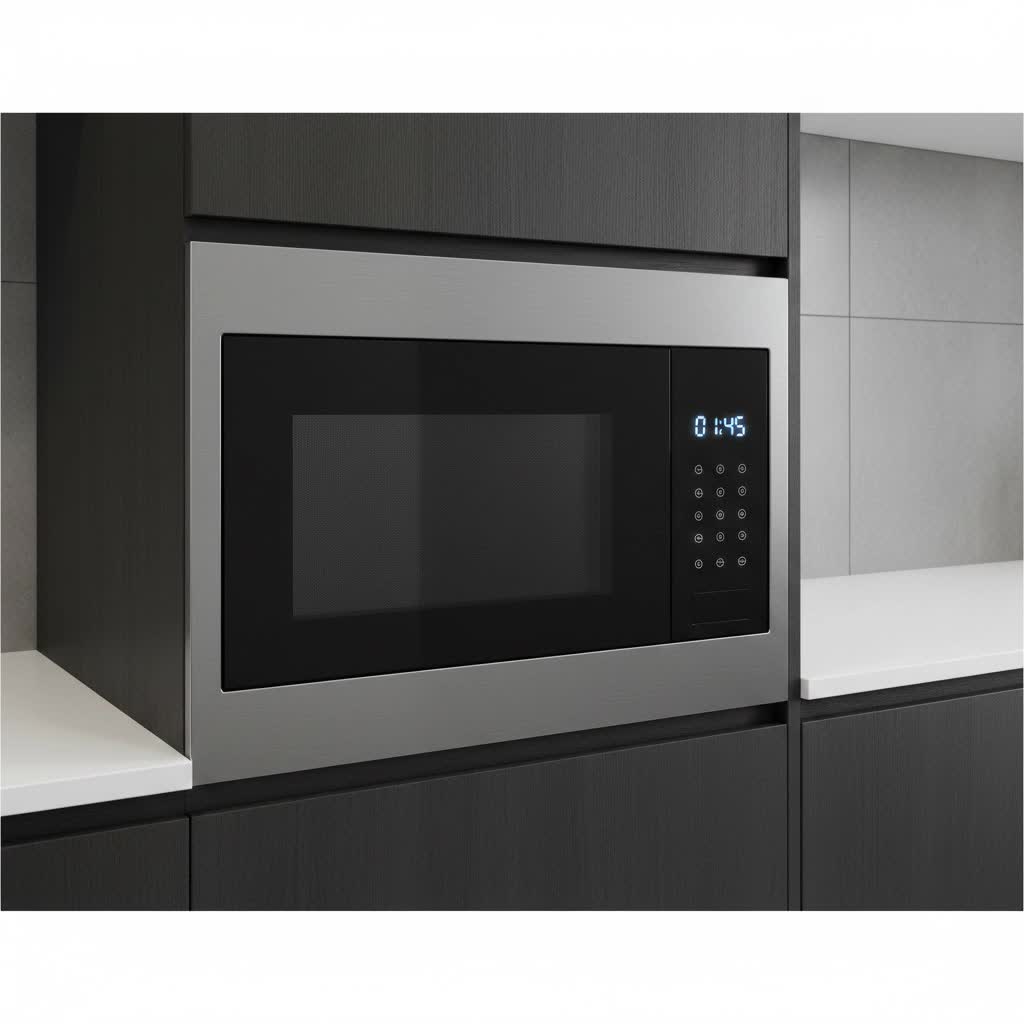
It’s a common kitchen frustration: you pop your meal into the microwave, anticipate a warm, comforting bite, only to find the plate scorching hot while your food remains stubbornly cold in the center. This isn’t just an annoyance; it’s a puzzling phenomenon that leaves many wondering if their microwave is on the fritz or if they’ve somehow chosen the wrong dinnerware. As someone deeply familiar with microwave technology, I’m here to unravel this culinary mystery. We’ll explore the fundamental science behind microwave heating, pinpoint why certain dishes absorb more energy than your meal, and identify potential issues with your appliance, empowering you to achieve perfectly heated food every time.
Understanding the Basics: How Microwaves Really Work
|
Our Picks for the Best Microwave in 2026
As an Amazon Associate I earn from qualifying purchases.
|
||
| Num | Product | Action |
|---|---|---|
| 1 | COMFEE' EM720CPL-PMB Countertop Microwave Oven with Sound On/Off, ECO Mode and Easy One-Touch Buttons, 0.7cu.ft, 700W, Black |

|
| 2 | BLACK+DECKER EM720CB7 Digital Microwave Oven with Turntable Push-Button Door, Child Safety Lock, 700W, Stainless Steel, 0.7 Cu.ft |
|
| 3 | FRIGIDAIRE EMW788RETRO 0.7 cu. ft. Retro Microwave, Black-Gold |
|
| 4 | TOSHIBA EM131A5C-SS Countertop Microwave Ovens 1.2 Cu Ft with 12.4" Removable Turntable Smart Humidity Sensor, 12 Auto Menus Mute Function ECO Mode Easy Clean Interior, 1000W, Silver |
|
| 5 | TOSHIBA ML-EM09PA(BS) Small Microwave Oven with 6 Auto Menus, Mute Function, LED Lighting Countertop Microwave Perfect for Kitchen, 0.9 Cu Ft, 10.6 Inch Removable Turntable, 900W Black Stainless Steel |
|
| 6 | FRIGIDAIRE EMW736BLK 0.7 Cu. Ft. Microwave, Black |
|
| 7 | Chefman Countertop Microwave Oven 0.9 Cu. Ft., 900 Watts with 10 Power Levels, 6 Cooking Presets with One-Touch Express Cook, Eco Mode, Child Safety Lock, & Mute Button - Black |
|
| 8 | COMFEE' EM720CPL-PM Countertop Microwave Oven with Sound On/Off, ECO Mode and Easy One-Touch Buttons, 0.7 Cu Ft/700W, Pearl White |
|
| 9 | TOSHIBA EM131A5C-BS Countertop Microwave Ovens 1.2 Cu Ft, 12.4" Removable Turntable Smart Humidity Sensor 12 Auto Menus Mute Function ECO Mode Easy Clean Interior Black Color 1000W |
|
| 10 | Chefman Countertop Microwave Oven 0.7 Cu. Ft., 700 Watts with 10 Power Levels, 6 Cooking Presets with One-Touch Express Cook, Eco Mode, Child Safety Lock, & Mute Button - Black |
|
To understand why your plate might get hot while your food stays cold, it’s crucial to grasp the fundamental science behind how a microwave oven actually heats. Microwaves are not like conventional ovens that transfer heat from the outside in. Instead, they work by emitting electromagnetic waves, specifically microwaves, which are absorbed by polar molecules within the food, most notably water.
When these microwaves penetrate your meal, they cause the water molecules (and other polar molecules) to rapidly vibrate and rotate. This molecular agitation generates friction, which in turn produces heat directly within the food itself. This process, known as dielectric heating, is incredibly efficient because it targets the food directly, unlike traditional cooking methods that rely on heat conduction from an external source. Foods rich in water content, like soups, vegetables, and many leftovers, tend to heat up much faster due to the abundance of these heat-absorbing molecules.
The Dinnerware Dilemma: Why Plates Get Hot
The primary reason you might find your plate scalding hot while your meal is still chilly often lies with the dinnerware itself. Not all materials react the same way to microwave energy, and some can inadvertently steal the heat intended for your food.
The “Microwave-Safe” Misconception
The term “microwave safe” can be a bit misleading. It typically means that the dish will not crack, melt, or leach harmful chemicals when exposed to microwaves. However, it doesn’t guarantee that the dish itself won’t absorb microwave energy and become hot. A “microwave-safe” label doesn’t necessarily mean “microwave-transparent” – a crucial distinction for even heating.
Material Composition Matters
Certain materials, particularly various types of ceramics, are prone to absorbing microwave energy.
- Ceramics and their Porosity: Many plates, bowls, and mugs are made from ceramic materials like earthenware, stoneware, or certain types of porcelain. While these are often labeled microwave-safe, their composition and porosity can significantly affect how they behave. Porous ceramics can absorb small amounts of moisture, even after firing. When microwaved, this trapped moisture heats up, causing the dish to become hot.
- Mineral Content and Glazes: The specific minerals within the ceramic, such as clay, alumina, or silica, can react differently to microwaves. Some glazes, especially older or handmade ones, might contain metallic elements or minerals that readily absorb microwave energy. This can lead to the plate getting excessively hot, sometimes even unevenly. Darker glazes, for instance, have been noted to absorb more heat due to their mineral interaction with microwaves.
- Moisture Absorption by Dinnerware: Beyond the inherent properties of the material, if your plate is even slightly damp from washing or condensation, that surface moisture will absorb microwave energy, contributing to the plate’s temperature rather than the food’s.
The Shielding Effect
When your dinnerware absorbs a significant amount of microwave energy, it effectively “shields” your food. The microwaves are intercepted by the plate, preventing them from reaching the water molecules in your meal. This results in a hot plate and lukewarm or cold food, as the energy is concentrated in the wrong place. The dish essentially becomes an insulator, blocking the efficient transfer of energy to what you actually want to heat.
Is Your Microwave the Culprit? Common Malfunctions
While dinnerware is a frequent cause, sometimes the issue of cold food and hot plates points to a problem with the microwave oven itself. These malfunctions can prevent microwaves from being generated or distributed effectively.
- Faulty Magnetron: The magnetron is the core component responsible for generating the microwaves that heat your food. If the magnetron is faulty or has worn out, it may produce weak or no microwaves, leading to insufficient heating of your food even if the appliance appears to be running.
- Door Latch Issues: Microwaves are equipped with safety interlock switches in the door latch mechanism. These switches ensure that the oven only operates when the door is securely closed. If a door latch switch is defective or misaligned, the microwave might run (the light comes on, the turntable spins) but fail to generate microwaves, resulting in no actual heating.
- Turntable or Stirrer Problems: To ensure even heating, microwaves typically use either a rotating turntable or a “stirrer” fan that distributes microwave energy throughout the cavity. If the turntable motor is broken or the stirrer isn’t working, microwaves may concentrate in certain areas, leaving some parts of the food cold and potentially causing the dish to get hot in those concentrated spots.
- High-Voltage Components: The magnetron requires a very high voltage to operate, supplied by a complex circuit including a high-voltage capacitor, diode, and transformer. If any of these components fail, the magnetron will not receive the necessary power to generate microwaves, leading to a non-heating microwave. These are critical components and should only be handled by trained professionals due to the risk of severe electrical shock.
- Incorrect Settings or User Error: Sometimes, the problem is as simple as an oversight. Check if the microwave is accidentally set to a very low power level (like a “defrost” setting) or if it’s in a “demo” mode that runs but doesn’t heat. Always ensure you’re using the correct cooking mode and power level for your food.
How to Prevent Hot Plates and Cold Food
Achieving perfectly heated food without a scorching plate is entirely possible with a few smart habits and checks.
- Perform the “Microwave Safe” Test: A quick home test can tell you if your dish is absorbing microwaves. Place the empty dish in the microwave with a cup of water (to absorb stray microwaves and protect the oven). Microwave on high for 20-30 seconds. If the dish is hot to the touch afterward, it’s absorbing microwaves and should be avoided for heating food. If it remains cool or slightly warm, it’s a good candidate for microwave use.
- Choose the Right Dinnerware: Opt for truly microwave-transparent materials. Glass, most plastics specifically designed for microwaves, and paper products (like paper plates or towels) generally allow microwaves to pass through them without absorbing much energy. Look for explicit “microwave-safe” labels that confirm the material is non-absorbent.
- Ensure Proper Microwave Function: Regularly check that your turntable is spinning correctly. A rotating turntable ensures microwaves are distributed evenly, preventing hot spots on your plate and cold spots in your food. If it’s not rotating, troubleshoot the motor or coupling.
- Distribute Food Evenly: Arrange food in an even layer on the plate. For larger or denser items, consider creating a ring shape to allow microwaves to penetrate from all sides. Stirring food halfway through cooking can also help distribute heat more uniformly. Covering food with a microwave-safe lid or plastic wrap can also help trap steam, promoting more even heating and preventing moisture loss.
When to Call a Professional: Safety First
While some microwave issues can be solved with simple adjustments, others demand professional attention. If you suspect a problem with internal components like the magnetron, high-voltage diode, capacitor, or transformer, it is crucial to seek professional repair. These components carry extremely high voltages, even when unplugged, and attempting DIY repairs can be incredibly dangerous, leading to severe injury or even fatality. A qualified technician has the expertise and specialized tools to safely diagnose and repair these complex internal issues. Prioritizing safety over a quick fix is paramount when dealing with microwave malfunctions.
Conclusion
The frustration of a hot plate and cold food in your microwave is a common experience, but understanding the underlying causes can empower you to conquer this kitchen conundrum. From recognizing how different dinnerware materials interact with microwave energy to identifying potential appliance malfunctions, the solution often lies in a combination of informed choices and proper maintenance. By testing your dishes, selecting microwave-transparent options, ensuring your microwave’s components are functioning correctly, and practicing smart heating techniques, you can ensure your meals are heated evenly and deliciously, without the unwelcome surprise of a scorching plate.
Frequently Asked Questions
What does “microwave safe” truly indicate for dinnerware?
“Microwave safe” primarily means the dish won’t be damaged, crack, or leach harmful substances when microwaved. However, it doesn’t guarantee the material won’t absorb microwave energy and become hot itself, potentially leaving your food cold.
Can I use any ceramic plate in the microwave?
Not all ceramic plates are ideal for microwave use, even if labeled “safe.” Some ceramics, particularly those that are porous or have certain mineral-rich glazes, can absorb microwave energy and become very hot, preventing your food from heating effectively. It’s best to perform a quick “microwave safe” test before regular use.
How do I test if my dish is absorbing microwaves?
Place the empty dish in the microwave with a separate, microwave-safe cup of water. Microwave on high for 20-30 seconds. If the dish is hot, it’s absorbing microwaves. If it remains cool or only slightly warm, it’s suitable for heating food without stealing energy.
Why is only part of my food heating in the microwave?
Uneven heating often occurs if the microwave’s turntable isn’t rotating, if the food is not spread out evenly, or if there’s a problem with the internal “stirrer” mechanism that distributes microwaves. It can also happen with dishes that absorb microwaves only in certain spots.
When should I replace my microwave if it’s not heating properly?
If your microwave shows signs of serious component failure, such as a completely dead magnetron, sparking, or unusual noises, and is beyond a simple fix like changing settings or dinnerware, it’s generally safer and more cost-effective to replace it rather than attempt complex, potentially dangerous repairs on high-voltage components.