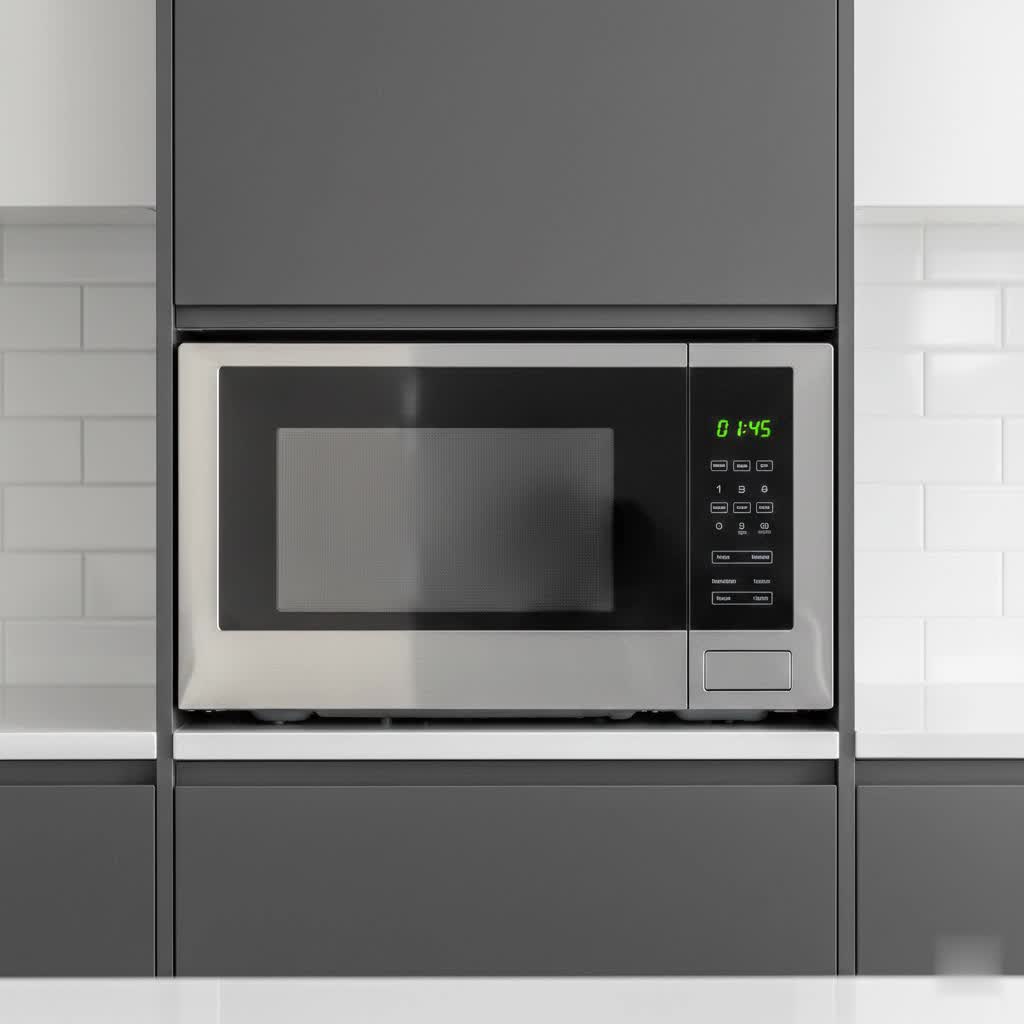
Choosing a new kitchen appliance often means balancing aesthetics with functionality, and nowhere is this more evident than with a built-in microwave. Smeg, a brand synonymous with distinctive Italian design, offers built-in microwaves that promise to elevate your kitchen’s style while providing advanced cooking capabilities. But do these appliances truly deliver on both fronts? Let’s delve into what makes Smeg built-in microwaves stand out, from their elegant appearance to their technological prowess, and explore real-world experiences to help you decide if one belongs in your home.
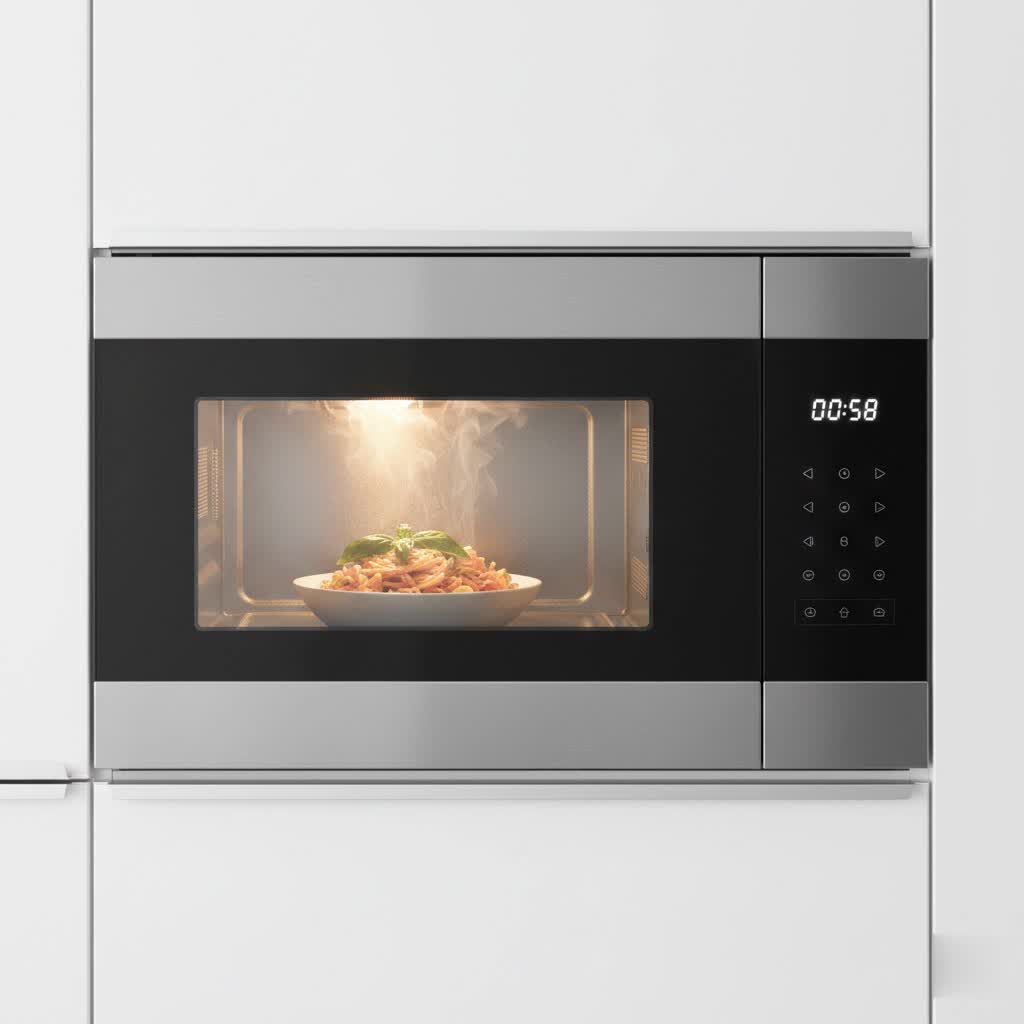
What Makes Smeg Built-In Microwaves Unique? Italian Design Meets Advanced Technology
Smeg built-in microwaves are more than just cooking tools; they are design statements, embodying the brand’s commitment to “technology with style.” The “Italian Design” aspect is immediately apparent in their sleek lines, premium finishes, and thoughtful integration into contemporary kitchen spaces. Often featuring a sophisticated stainless steel exterior, these microwaves blend seamlessly with other Smeg appliances or diverse kitchen decors. The focus is on creating a cohesive and elegant look, making the microwave an intentional part of your kitchen’s architecture rather than a mere utility.
Beneath this stylish exterior lies a world of “Tech” that aims to simplify and enhance your cooking. Smeg integrates core microwave principles with innovative features. Their commitment to advanced technology means you can expect more than just basic reheating; these microwaves often come equipped with a range of functions designed for versatile meal preparation. The synergy between high-end design and sophisticated technology is what truly sets Smeg built-in microwaves apart in the appliance market.
Key Smeg Built-In Microwave Models and Their Features
Smeg offers built-in microwaves across various aesthetic lines, including Classic, Linea, Dolce Stil Novo, and Victoria, each offering a distinct visual appeal. Despite their diverse looks, common technological threads and features run through many models. Most boast intuitive electronic displays, often complemented by classic buttons and responsive control dials for easy setting adjustments. Capacities typically range from approximately 29 liters to a more generous 34 liters, with turntables designed to accommodate large dinner plates, some as wide as 345mm.
A significant highlight is the availability of Combi-Microwave options, which combine traditional microwave cooking with grilling and convection oven functions. This versatility allows you to brown, bake, and crisp food, effectively transforming the microwave into a secondary oven. Many models feature robust power levels, with microwave functions often reaching up to 1100W and grill elements up to 1200W, ensuring quick and efficient cooking. Some Smeg microwaves also incorporate advanced technologies like Inverter technology for precise and continuous microwave delivery, leading to more consistent cooking and defrosting while preserving food’s taste and nutrients. The 3D cooking system and circular air function are designed to ensure even heat distribution and excellent browning results. Interestingly, some models utilize a wave stirer instead of a traditional turntable, allowing for the use of rectangular or square dishes to maximize cavity space. Beyond these, functions like auto-defrost by weight or time, dish warmer, keep warm, melt, plate rack/warmer, popcorn, proving, air-fry, BBQ, Sabbath, and soft settings further expand their utility.
A Closer Look: Smeg Built-In Microwave Performance
When it comes to performance, Smeg built-in microwaves generally aim for efficiency and quality results across their various functions. The combination cooking modes, in particular, are lauded for their ability to deliver oven-like outcomes in a fraction of the time. For example, a combi-microwave can produce a fluffy, crisp jacket potato in just 20 minutes, offering the best of both worlds without compromise. The advanced 3D cooking system and reflective stainless steel interiors are engineered to ensure food is cooked evenly, preventing soggy spots or uncooked areas. Inverter technology further contributes to this consistency, maintaining a steady power output for better defrosting and heating.
User experience is typically intuitive, with a mix of digital interfaces, light-touch buttons, and control dials. Many models include pre-programmed auto-cook recipes and convenient shortcut menus, sometimes discreetly tucked inside the door, to take the guesswork out of cooking. While there might be a slight learning curve for those accustomed to simpler microwaves, most users find the controls easy to master over time. Furthermore, the 34-litre combi-microwave model has been noted for being “super-powerful yet quiet,” a significant advantage in open-plan living spaces where noise levels are a consideration.
Pros and Cons: Real-World Insights on Smeg Built-In Microwaves
Like any premium appliance, Smeg built-in microwaves come with their own set of advantages and potential drawbacks, as reflected in real-world user feedback.
Advantages (Pros):
- Stunning Aesthetics & Seamless Integration: The primary draw for many is Smeg’s distinctive Italian design. These microwaves offer a sleek, premium look that integrates flawlessly into modern kitchen cabinetry, enhancing the overall decor.
- Versatile Cooking Functions: With options like combi-microwave (grill and convection oven), auto-menus, and specialized functions (e.g., dish warmer, defrost by weight), Smeg units provide exceptional cooking flexibility beyond simple reheating.
- Advanced Technology: Features such as Inverter technology ensure precise and consistent cooking, while the 3D cooking system promotes even heating. The inclusion of a wave stirer in some models maximizes usable cavity space.
- Quality Materials & Easy Maintenance: Many models feature stainless steel interiors and Smeg’s “Ever Clean enamel,” which resists stains and odors, making cleanup less of a chore. Removable turntables further simplify maintenance.
- Generous Capacity: With capacities up to 34 liters and large turntables (or no turntable at all with wave stirers), these microwaves can easily accommodate bigger dishes, ideal for families or entertaining.
|
Our Picks for the Best Microwave in 2026
As an Amazon Associate I earn from qualifying purchases.
|
||
| Num | Product | Action |
|---|---|---|
| 1 | TOSHIBA EM131A5C-BS Countertop Microwave Ovens 1.2 Cu Ft, 12.4" Removable Turntable Smart Humidity Sensor 12 Auto Menus Mute Function ECO Mode Easy Clean Interior Black Color 1000W |

|
| 2 | TOSHIBA EM131A5C-SS Countertop Microwave Ovens 1.2 Cu Ft with 12.4" Removable Turntable Smart Humidity Sensor, 12 Auto Menus Mute Function ECO Mode Easy Clean Interior, 1000W, Silver |
|
| 3 | COMFEE' EM720CPL-PMB Countertop Microwave Oven with Sound On/Off, ECO Mode and Easy One-Touch Buttons, 0.7cu.ft, 700W, Black |
|
| 4 | FRIGIDAIRE EMW736BLK 0.7 Cu. Ft. Microwave, Black |
|
| 5 | FRIGIDAIRE EMW788RETRO 0.7 cu. ft. Retro Microwave, Black-Gold |
|
| 6 | COMFEE' EM720CPL-PM Countertop Microwave Oven with Sound On/Off, ECO Mode and Easy One-Touch Buttons, 0.7 Cu Ft/700W, Pearl White |
|
| 7 | TOSHIBA ML-EM09PA(BS) Small Microwave Oven with 6 Auto Menus, Mute Function, LED Lighting Countertop Microwave Perfect for Kitchen, 0.9 Cu Ft, 10.6 Inch Removable Turntable, 900W Black Stainless Steel |
|
| 8 | Chefman Countertop Microwave Oven 0.7 Cu. Ft., 700 Watts with 10 Power Levels, 6 Cooking Presets with One-Touch Express Cook, Eco Mode, Child Safety Lock, & Mute Button - Black |
|
| 9 | Chefman Countertop Microwave Oven 0.9 Cu. Ft., 900 Watts with 10 Power Levels, 6 Cooking Presets with One-Touch Express Cook, Eco Mode, Child Safety Lock, & Mute Button - Black |
|
| 10 | BLACK+DECKER EM720CB7 Digital Microwave Oven with Turntable Push-Button Door, Child Safety Lock, 700W, Stainless Steel, 0.7 Cu.ft |
|
Disadvantages (Cons) / User Concerns:
- Durability and Reliability: A recurring concern among some users is the long-term reliability. Reports include malfunctioning LED displays, units breaking down multiple times within a short period (e.g., 6 times in 12 months), or ceasing to work shortly after the warranty expires. Condensation issues after use and early signs of rust build-up on stainless steel components have also been mentioned.
- Price Point: Smeg appliances are positioned at the premium end of the market. Given some of the reported durability issues, potential buyers might question if the high cost consistently translates into long-term value and performance comparable to their expectations.
- Installation Complexity: As built-in units, they require specific trim kits and precise cabinet cut-outs for proper installation and ventilation. This often necessitates professional installation, adding to the overall cost and complexity.
- Maintenance for Stainless Steel: While generally easy to clean, stainless steel surfaces can be prone to rust or staining if not maintained correctly with appropriate cleaners, as highlighted by some users experiencing rust spots after a relatively short period.
Essential Guide to Owning a Smeg Built-In Microwave
Investing in a Smeg built-in microwave means embracing a blend of Italian style and advanced culinary technology. To ensure you get the most out of your appliance, consider these essential guidelines.
Choosing the Right Model for Your Needs
Before purchasing, carefully assess your cooking habits. Do you primarily need a microwave for reheating and defrosting, or are you looking for a versatile appliance with grilling, baking, and convection capabilities? Your kitchen design and desired aesthetic (Classic, Linea, Dolce Stil Novo, Victoria) will also play a crucial role in selecting a model that complements your space. Additionally, consider the capacity and power requirements based on your household size and typical cooking volume.
Installation Considerations
Built-in microwaves, especially those with advanced features like combi functions, require precise installation. It is highly recommended to engage a professional installer to ensure the appliance is fitted correctly and safely. Proper installation includes using the specific trim kit designed for your Smeg model and ensuring adequate cabinet cut-outs for crucial rear and side ventilation. An opening on the upper cavity panel, typically at least 600mm x 100mm at the rear, is often necessary for optimal air circulation. The appliance also needs to be connected to a properly installed earthed socket, with the mains voltage matching the rating plate.
Care and Maintenance Tips
Maintaining your Smeg built-in microwave, particularly models with stainless steel interiors or finishes, is key to its longevity and appearance. For interiors with Ever Clean enamel, wiping away spills and residues is generally straightforward. For stainless steel surfaces, use a domestic stainless steel cleaner applied with a soft cloth, always wiping in the direction of the grain. Avoid abrasive or harsh cleaners and scouring pads, as these can damage the finish and potentially lead to rust spots. Regularly removing and cleaning the turntable (if applicable) will help prevent food buildup.
Troubleshooting Common Issues
While Smeg microwaves are designed for performance, knowing how to address minor issues can save you frustration. If the display malfunctions or shows incomplete numbers, or if buttons become unresponsive, consulting your user manual or contacting Smeg customer service is advisable. For heating inconsistencies, ensure you are using appropriate cookware and placing food correctly (e.g., on a wire shelf if recommended, not directly on the cavity bottom for models with wave stirers). Addressing condensation issues may involve ensuring proper ventilation during and after use.
“A Smeg microwave oven does more than just heat food; it enhances your cooking experience while adding character to your space. Its intuitive controls and multiple settings make meal preparation a breeze.” – Admin of reviewvz.com, Microwave Technician with 10+ Years Experience
Frequently Asked Questions
Are Smeg built-in microwaves considered reliable in the long term?
While many users appreciate Smeg’s design and features, some reviews indicate concerns about long-term reliability, with reports of display malfunctions, rust, and breakdowns occurring after the warranty period. It’s advisable to research specific model reviews and consider extended warranty options.
What is Smeg’s Inverter Technology, and how does it benefit cooking?
Smeg’s Inverter Technology ensures a precise and continuous delivery of microwave power, unlike traditional microwaves that cycle on and off. This results in more consistent and even cooking and defrosting, preserving food texture, taste, and nutrients more effectively.
How do Smeg combi-microwaves compare to conventional ovens?
Smeg combi-microwaves offer a versatile cooking solution by combining microwave, grill, and convection oven functions. They can significantly speed up cooking times for many dishes while achieving results similar to a conventional oven, making them excellent for quick meals or as a secondary cooking appliance.
What maintenance is required for the stainless steel interior of Smeg microwaves?
To maintain the stainless steel interior, use a soft cloth with a domestic stainless steel cleaner, wiping in the direction of the grain. Avoid abrasive cleaners or scouring pads, which can damage the finish and potentially cause rust. Regular cleaning prevents food buildup and maintains appearance.
Is a trim kit always necessary for a Smeg built-in microwave installation?
Yes, a specific trim kit is essential for installing a Smeg built-in microwave. The trim kit ensures a seamless, integrated look with your cabinetry and is crucial for proper ventilation and safety, making it a mandatory component for built-in installation.